
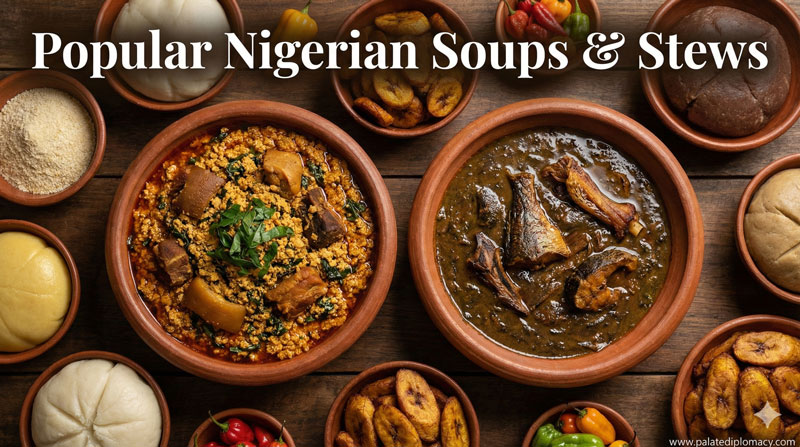
A Warm Welcome to Okra Soup in Nigeria
Okra soup holds a cherished place in Nigerian kitchens. It is more than a dish; it is a bridge between generations, a sign of hospitality, and a living thread in daily life. The aroma fills the home, inviting laughter, conversation, and shared bites. In many families, the act of cooking is a quiet ritual that strengthens bonds. The soup demonstrates how simple ingredients can become something deeply meaningful.
Core Ingredients and the Flavor Base
The flavor starts with fresh okra, sliced to release a glossy, emerald base. Palm oil adds color and warmth, carrying a gentle, fruity richness. Onions, peppers, and tomatoes create brightness and a lively backbone. Stock, meat, or fish bring depth, while crayfish or dried fish add a subtle briny glow. Optional ingredients like locust bean (ogiri or iru) or bitter leaf offer cultural fingerprints. Each component is chosen with care, reflecting home style and seasonal abundance. Together, they form a balanced, comforting foundation.
Texture, Color, and Sensory Appeal
Okra’s natural mucilage gives the soup its signature viscosity, linking texture to memory. The green shine of the chopped okra contrasts with the deep red of pepper and the gold of palm oil. This visual harmony signals warmth and welcome at the table. When stirred, the pot releases steam and a scent that feels like home. The mouthfeel—slightly silky, with a gentle bite from the vegetables—adds depth to each spoonful. The sensory mosaic makes the dish instantly recognizable and inviting.
The Social Scene: Food as Hospitality
Sharing okra soup is an act of hospitality. A large pot often sits in the center, with bowls passed around and agreed-upon rounds of dipping and serving. Conversations flow as freely as the steam, turning a meal into a social ritual. Guests are welcomed with steaming bowls, and guests become helpers, lending hands in stirring or garnishing. The dish becomes a stage for storytelling, jokes, and everyday gratitude. In this way, okra soup strengthens community through food.
Regional Twists Across Nigeria
Across regions, families add subtle twists that echo local tastes. Some homes favor smoked fish or beef for a smoky undertone, while others highlight crayfish for a crisp, coastal note. Bitter leaf or additional greens may appear, creating fresh, herbaceous contrasts. The use of ogiri or iru introduces a deep, earthy aroma that many families associate with home cooking. These variations celebrate regional flavors while keeping the core essence intact: a comforting, shareable pot of soup.
Pairings: A Loved Duo with Fufu, Pounded Yam, and More
Okra soup shines when paired with starchy staples. Pounded yam and fufu offer a creamy counterpoint to the soup’s texture. Eba or semo provide a satisfying, absorbent bite that captures the sauce. The pairing is more than sustenance; it is a shared experience that emphasizes balance, patience, and delight in food. The right accompaniment can elevate the soup into a memorable meal that lingers in memory.
The Crafty Techniques: How Skill Shapes Flavor
Careful timing preserves texture and color. Many cooks add okra later in the cooking process to keep its bright color and gentle slime. Stirring in a circular motion helps distribute ingredients evenly without breaking the okra. A careful hand seasons gradually, tasting as it develops. Removing foam and adjusting salt improves clarity and balance. These small techniques reflect respect for ingredients and show how skill sustains flavor.
Celebrating Everyday Cooking: Accessibility and Joy
Okra soup is adaptable for busy days and for weekend gatherings. It uses ingredients commonly found in Nigerian markets, making it accessible and affordable. The dish invites creativity, inviting cooks to tailor it to their pantry and preferences. This accessibility fosters pride in home cooking and in the Food Culture as a whole. Every pot becomes a testament to daily joy and seasonal abundance.
A Closing Note: The Heart of Nigerian Food Culture
Okra soup embodies the warmth, diversity, and craftsmanship of Nigerian cuisine. It celebrates togetherness, regional variety, and the simple delight of a well-made pot. By honoring its flavors and shared moments, we honor the broader food culture that carries the aroma of home.