
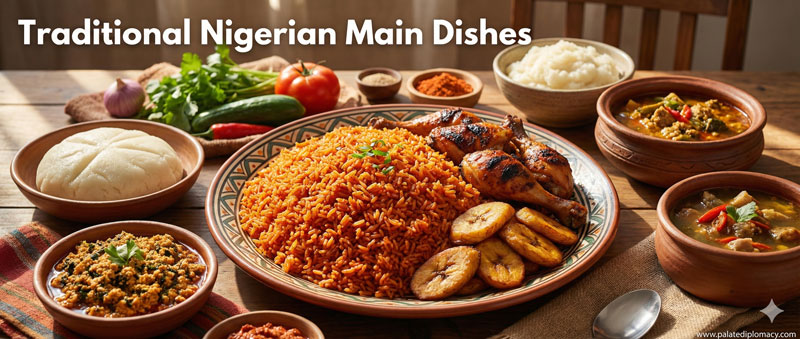
Top Reasons Nigerians Love Eating Fried Rice
Nigerians love fried rice for its bright color, welcoming aroma, and flexible character. The dish often opens a meal with a promise of warmth and comfort. In homes and at celebrations, fried rice sets a social tone that feels familiar and joyful. First, its visual appeal draws people to the table. The glistening grains, peas, carrots, and peppers create a plate that looks festive and inviting. Second, the dish adapts to what is available. Cooks can mix proteins, vegetables, and spices to fit the moment. Finally, fried rice embodies hospitality, inviting everyone to share and savor together.
A Warm Introduction to the Dish
Fried rice holds a bright spot in Nigerian cooking because it feels approachable and generous. It begins with simple steps that many households can follow. First, rice is prepared so each grain remains distinct. Then onions and fragrant spices are sautéed to release aroma. The grains meet a sizzling pan where color and texture develop together. Moreover, the finished dish carries a sense of celebration even in everyday meals. This accessibility makes fried rice a reliable choice for family dinners and friendly gatherings alike.
The Color, Aroma, and Texture
The beauty of fried rice lies in its sensory appeal. The sight of golden grains touched by a glossy glaze signals a tasty experience. Fresh vegetables add brightness and crunch, while peppers bring a gentle warmth. The aroma emerges from onions, garlic, and spices that bloom in hot oil. In addition, the texture blends tenderness with bite: soft centers with crisp edges and a mix of vegetables for contrast. This combination invites lingering at the table and sparks conversation about flavors and techniques.
Core Techniques That Shape the Dish
The craft of Nigerian fried rice centers on balance and timing. Parboiled rice is rinsed and drained so grains remain separate. Then cooks toast the grains briefly in oil to develop a subtle nutty note. After that, a quick stir-fry of onions and aromatics builds depth. Tomato or pepper-based sauce often mingles with the rice for color and savor. Vegetables and proteins join the pan last, warming through without overcooking. Finally, a light seasoning with herbs and a touch of salt completes the dish.
The Social Fabric: Food and Friends
Fried rice becomes a symbol of hospitality in many Nigerian kitchens. A large platter invites everyone to serve themselves, signaling openness and generosity. Sharing a steaming heap of rice strengthens ties during family meals and communal events. In conversations that surge around the table, people swap stories of ingredient choices and cooking tips. The dish also feeds easily into celebrations with guests arriving from different parts of a home. The act of serving fried rice elevates ordinary moments into moments of togetherness.
Regional Touches and Personal Variations
Across households, cooks put personal stamps on fried rice. Some add prawns or chicken for protein, while others choose beef or fish. A handful of peas, carrots, and sweet corn provides color and sweetness. Spices vary from kitchen to kitchen, with curry powder, thyme, or thyme-infused blends shaping the aroma. Soy sauce or light seasonings may be used for depth, depending on taste. The outcome remains a harmonious canvas that reflects local preferences and family heritage.
Everyday Meals and Festive Occasions
Fried rice shines in both casual and celebratory settings. It pairs well with fried plantains, a fresh salad, or a pepper sauce for balance. On weekends, it serves as a reliable centerpiece for large family meals. During special occasions, generous portions and bright presentation elevate the mood. The dish’s versatility allows cooks to tailor portions for children and adults alike. In all its forms, fried rice expresses practical creativity and culinary pride.
The Enduring Beauty of Nigerian Fried Rice
In The Heart of Nigerian kitchens, fried rice represents more than sustenance. It is a shared experience that respects seasonality, skill, and seasonable generosity. The dish teaches patience in preparation, care in seasoning, and joy in serving. It celebrates everyday ingenuity—how simple ingredients can become a dish that nourishes body and spirit. As a staple of home cooking and community meals, fried rice remains a beloved centerpiece that highlights the beauty of Nigerian Food Culture.