
Introduction
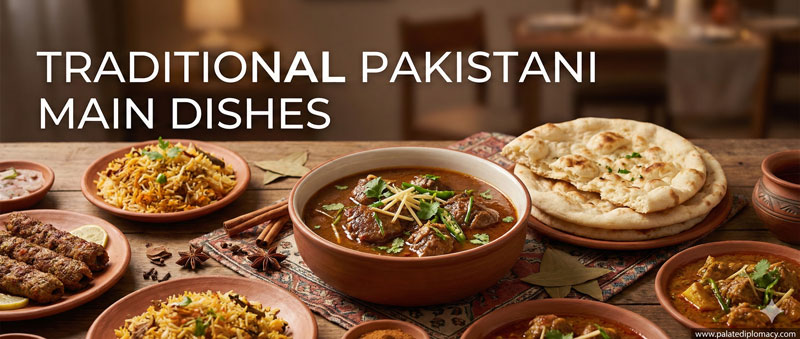
Nihari Is more than a dish. It is a warm invitation to share a meal that has fed families, friends, and neighbors for generations. This slow-cooked stew carries a sense of history, craft, and care. In every bite, you sense a lineage of cooks who perfected balance between meat, spice, and time. The aroma alone signals the start of a special moment in the kitchen and at the table.
What Nihari Is
Nihari is a rich, slow-simmered stew. Traditionally it uses beef or lamb, sometimes goat, and often includes marrow bones that lend depth and silkiness to the gravy. The name and method hint at patience: the dish is cooked slowly, often overnight, to break down connective tissue and release silky texture. In many kitchens, Nihari is prepared to be enjoyed at breakfast or brunch, turning an ordinary morning into a ceremonial feast. Its roots trace to the royal kitchens of the Mughal era, where slow cooking and layered spices created a dish worthy of celebration. Today, Nihari remains a beloved expression of skill and tradition, ready to welcome you with each steaming bowl.
Key Ingredients
- Meat: beef shank or bone-in cuts, lamb, or goat, chosen for richness and texture.
- Bones and marrow: for depth and a velvety mouthfeel.
- Spices: a blend that often includes garam masala, coriander, cumin, fennel, cloves, cinnamon, and cardamom.
- Aromatics: ginger, garlic, green chilies, and onion for a bright counterpoint to the deep flavors.
- Thickener: a flour or wheat-based slurry helps achieve a smooth, clingy gravy.
- Fresh finish: lemon or lime juice, coriander leaves, and fried onions for brightness.
In addition to these, many cooks add optional saffron or a hint of chili oil to lift the aroma and color. Each kitchen may adapt the mix slightly, but the guiding principle remains the same: slow, patient development of flavor.
The Slow Cooking Process
First, spices bloom in hot oil to release their essential oils and perfume the air. Next, the meat and bones join, and liquid joins the pot. Then the mixture simmers gently, typically for several hours, until the meat becomes tender and the gravy thickens to a glossy sheen. Finally, a finishing touch of slurry thickens the sauce, while a rest period helps the flavors settle. Throughout, the cook tastes and adjusts salt, heat, and acidity. The result is a dish with depth, where every spoonful reveals layers of spice, meat, and time.
Regional Expressions
Across the Indian subcontinent, Nihari shows regional character without losing its core essence:
– Punjabi Nihari tends to be boldly spiced with a robust meat presence and a thick, lacquered gravy.
– Karachi-style Nihari often leans toward sharper heat and a more vibrant red hue, balanced by a smooth, rich texture.
– Lucknow and northern Indian versions may emphasize delicate spicing and a lighter, silkier gravy, paired with soft breads.
– Some kitchens favor mutton or goat for a different fat profile and a slightly sweeter meat tone.
These variations celebrate local preferences and ingredients while keeping the spirit of the dish intact: a slow-cooked canvas that soaks up culture, memory, and the joy of sharing.
The Aroma, Texture, and Flavor
Nihari unfolds in three acts: aroma, texture, and aftertaste. The aroma is inviting and spicy, with notes of toasted spices drifting through the room. The texture is lush and almost melt-in-your-mouth, thanks to the long simmer and marrow. The flavor profile sits at a thoughtful intersection of savory, nutty, and faint sweetness. A touch of acidity from citrus brightens the gravy, while fresh herbs bring balance. The result is a dish that feels comforting yet luxurious, simple enough for daily meals and sophisticated enough for special occasions.
Serving Traditions and Pairings
Nihari is best enjoyed with accompaniments that echo its warmth:
– Bread: naan, tandoori roti, or bhature. The bread acts as a perfect vehicle for scooping and soaking.
– Garnishes: fried onions, chopped cilantro, lemon wedges, and a sprinkle of garam masala.
– Condiments: a small bowl of chili oil or a tangy chutney can add a personal kick.
– Beverages: fresh mint tea or a simple cold drink complements the spices without overpowering them.
The ritual of serving is as meaningful as the cooking. Once plated, the steam rises, and friends gather around the pot to share the moment. This ritual turns a meal into a memory and invites conversation, laughter, and connection.
Cultural Value and Culinary Significance
Nihari stands as a symbol of patient craftsmanship and communal dining. It demonstrates how time, technique, and generosity come together in the kitchen. The dish teaches care: selecting the right cuts, choosing a balanced spice blend, and letting flavors unfold slowly. It also embodies hospitality, inviting guests to savor a dish that has been prepared with attention and love. In many homes and restaurants, Nihari marks celebrations, family reunions, and thoughtful evenings, making it more than nourishment—it is a gesture of welcome.
Health Considerations and Modern Adaptations
Nihari is rich and indulgent, which makes mindful portioning important. in Modern kitchens, cooks can adapt the process to suit lighter preferences: trim excess fat, use lean cuts, or adjust the amount of oil used at the start. Even with substitutions, the dish preserves its essential qualities: depth of flavor, a silky gravy, and a comforting presence at the table. Pairing Nihari with fresh herbs and citrus can brighten the dish without diminishing its richness.
Nihari in Modern Kitchens
Today, home cooks and chefs alike celebrate Nihari by embracing both tradition and convenience. Many cooks plan a long simmer on a weekend, turning the kitchen into a warm studio of scent and patience. Others experiment with time-saving methods while preserving the soul of the dish. Regardless of method, the essence remains: Nihari is a celebration of the slow, deliberate craft of cooking and the joy of sharing meals with others.
Closing Thoughts
Nihari invites you into a world where time, technique, and generosity converge. It is more than a recipe; it is a cultural practice that honors the hands that prepared it, the families that shared it, and the communities that keep the flame alive. When you taste Nihari, you taste history, care, and the beauty of cooking as a living tradition. Welcome the dish into your kitchen with patience, curiosity, and gratitude, and you will join a long, flavorful conversation that continues to grow with every bite.