
How Nihari Reflects Pakistani Food Culture
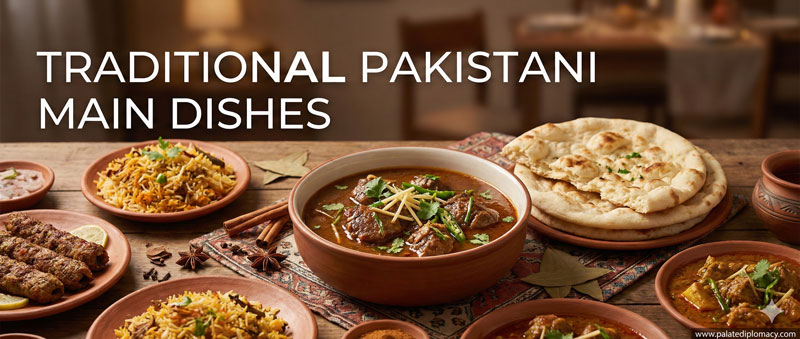
Nihari stands as a flavorful reflection of Pakistan’s culinary heart. It blends patience, generosity, and shared joy into a single pot. The dish invites you to slow down, inhale a rich aroma, and consider how food connects people. Each bite reveals a balance of warmth, depth, and comfort that mirrors everyday life in many Pakistani homes. This is more than taste; it is a celebration of hospitality, family rituals, and the timeless pleasure of gathering around a pot of warmth.
The Craft Behind Nihari: Slow Cooking as a Cultural Practice
Nihari is built on time-honored techniques. The meat braises gently, absorbing spices and depth from hours of simmering. This slow process mirrors a cultural value: care created over time yields richness that quick methods cannot match. The layering of spices—garlic, ginger, and a carefully balanced blend—prints a regional signature on the dish while honoring shared methods passed from cook to cook. The result is a velvety sauce that glistens with fat and marrow, a testament to patience and craft. In every kitchen, the method tells a story of attention, rhythm, and respect for ingredients.
A Breakfast of Connection: Nihari in Daily Life
In many Pakistani households, nihari is more than a meal; it marks moments of connection. It arrives on weekend mornings or late-night cravings with a sense of welcome. Families gather around the stove, chat takes on a warm, easy pace, and spoons circle the pot. The dish turns breakfast into an event of togetherness. People savor the first taste slowly, sharing stories as the steam rises. This ritual highlights how food can anchor daily life in a comforting, communal way.
Shared Tables, Shared Traditions
Nihari thrives on sharing. It is commonly served with naan or other flatbreads that are torn and used to scoop the sauce. Slices of onion, wedges of lemon, and fresh chilies arrive as bright accompaniments, inviting guests to customize each bite. The act of serving others, of offering seconds or thirds, embodies hospitality. A family or host sets the table with care, inviting guests to sit, eat, and feel at home. In this way, nihari becomes a practice of warmth, conversation, and generosity.
Regional Voices: Variations Across Pakistan
Across Pakistan, nihari carries regional character. In Lahore, the dish often carries a robust, smoky edge and a pronounced spice balance, echoing the city’s culinary pride. In Karachi, a touch of sweetness and a lighter, brighter finish may mingle with the spice, reflecting coastal influences. Other cities bring their own herbal notes, ratios, and garnishes, yet all share the core idea: a slow-cooked curry that invites sharing and appreciation. This regional diversity demonstrates how Food Culture thrives on local flavors while remaining a unifying thread across communities.
Festive and Everyday Moments
Nihari fits both daily life and festive moments. It is welcomed after a busy week or enjoyed during special gatherings when friends and family come together. Its presence signals generosity and comfort, easing worries and inviting conversation. The dish adapts to the season and the occasion, making every serving a moment to pause, reflect, and enjoy.
Senses and Significance: Flavor, Aroma, Texture
Nihari awakens the senses before the first bite. The aroma fills the room, promising depth and warmth. The texture—tender meat in a glossy, thick sauce—speaks of careful preparation and time spent coaxing the best from each ingredient. The flavor carries a balance of savoriness, spice, and a hint of marrow richness. These sensory sensations reinforce the cultural message: a dish that rewards patience, elevates ordinary meals, and invites conversation and gratitude.
How to Experience Nihari Today
To appreciate nihari is to savor its cultural texture as well as its flavor. Explore the aroma by cooking slowly or visiting a trusted eatery known for a thoughtful approach to the dish. Pair it with warm bread, fresh onions, lemon, and green chilies to experience the full spectrum of contrasts and harmonies. Notice how a shared bowl can become a space for connection, storytelling, and mutual respect. In this way, nihari remains not just a dish, but a living expression of Pakistan’s food culture—welcoming, resilient, and deeply human.