
Everything You Need to Know About Nihari
Nihari is a slow-simmered meat dish that feels Like a warm embrace from the kitchen. It carries a sense of ritual and care, inviting people to gather, share, and savor. The dish speaks to patience, as the preparation unfolds over hours, allowing each layer of flavor to come forward. This post explores its cultural value and culinary significance with an inviting, respectful tone.
What Nihari Is
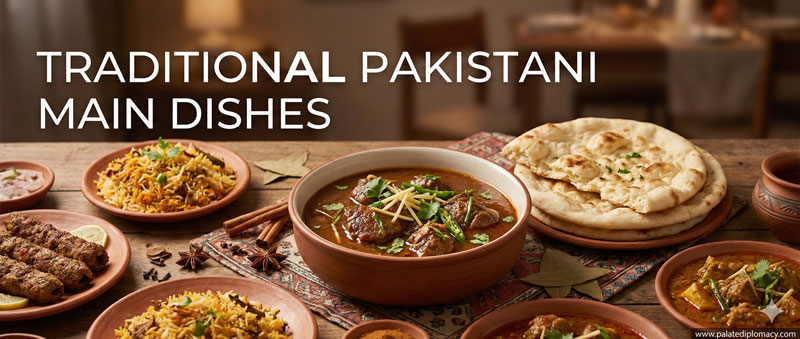
Nihari is a hearty stew built on tender meat, typically beef or lamb, and enriched with bone marrow for depth. A fragrant paste of ginger, garlic, and a blend of spices creates a warm, aromatic base. The sauce rests on a long simmer, soaking the meat until it falls apart with a gentle touch. The result is a silky gravy, bold yet balanced, that coats bread or flatbreads with comforting richness.
The Cooking Craft: Slow Simmer
The essence of nihari lies in slow, patient cooking. Chefs set a steady, low heat and let flavors mingle over time. The marrow melts into the broth, lending velvet texture and a lush mouthfeel. This is a dish that rewards method: skimming excess fat, adjusting spice with care, and allowing the meat to surrender its texture to the simmer. The result feels celebratory, even in a simple home kitchen, because the process itself becomes a quiet kind of artistry.
Key Ingredients and Spice Notes
A harmony of spices gives nihari its signature warmth. Common elements include ginger, garlic, fennel, cumin, coriander, turmeric, and garam masala. A touch of red chili adds gentle heat, while bone marrow adds richness. Fresh herbs and citrus brighteners—such as ginger juliennes, chopped onions, and a squeeze of lemon—lift the dish just before serving. The spice blend varies by cook and region, yet the core idea remains: layered, balanced warmth that lingers on the palate.
Regional Variations and Personal Touches
Across regions, cooks adapt nihari to local tastes while honoring its core character. Some kitchens emphasize a stronger garlic profile; others highlight a cleaner, more peppery finish. The thickness of the gravy changes with time on the stove and the type of meat used. Yet the common thread is a shared respect for tradition and a willingness to tailor the dish to touch the heart of the moment.
Serving and Pairings
Nihari shines when paired with bread-based staples. Naan, kulcha, or roti provide the perfect vehicle for scooping the rich gravy and meat. Slices of onion, wedges of lemon, and fresh cilantro brighten the plate. A cool yogurt side can offer balance on hotter days. The scene around the table—conversations, laughter, and the clinking of spoons—becomes part of the flavor experience.
Cultural Value and Everyday Significance
Nihari stands as a beloved expression of regional hospitality and culinary heritage. It is a dish that families return to for special gatherings and weekend meals, a symbol of sharing and togetherness. The aroma itself evokes memories of kitchens filled with friends and relatives. In this way, nihari is more than sustenance; it is a daily celebration of craft, family, and community.
Tips for Home Cooks
- Start with good meat and marrow bones for depth.
- Build flavor slowly: a quiet simmer yields a smoother gravy.
- Taste and adjust with balance in mind; the finish should feel warm, not overpowering.
- Garnish just before serving to keep freshness intact.
- Pair with your favorite flatbread and a bright, citrusy hint.
Final Thoughts
Everything You Need to know about nihari points to a dish that blends patience, skill, and shared joy. Its culinary significance lies not only in taste, but in the moments it creates: as a family gathers, as aromas fill a room, and as a plate becomes a bridge between tradition and everyday delight.