
Introduction to Nihari in Pakistani Cuisine
Nihari is a slow-cooked stew that embodies comfort, patience, and shared meals. In Pakistani cuisine, it stands as a beloved tradition that invites friends and family to gather around a pot and savor a deep, warming flavor. This post explores how nihari became Popular in Pakistani Food Culture, focusing on taste, technique, and the everyday moments that lift the dish into a cherished staple. You will see how a pot of rich gravy and tender meat becomes more than a meal; it becomes a ritual of connection.
The Craft Behind the Pot
The magic of nihari rests in the long, gentle simmer. Meat bones release depth and sweetness as the liquid thickens slowly. The technique rewards patience: low heat, steady contact with the spices, and time for collagen to soften. The aroma fills the kitchen, inviting conversation and anticipation. Each simmer brings a glossy sheen to the gravy and a tenderness that tells a story of careful preparation. In short, the craft builds flavor gradually, with every hour adding nuance rather than overpowering it.
Core Ingredients and Their Roles
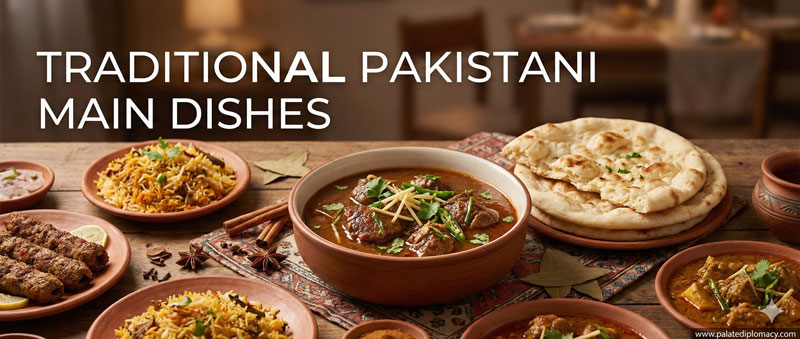
Nihari centers on hearty cuts of meat, usually beef or lamb, cooked until luscious and soft. The marrow adds a luxurious richness that defines the dish. A carefully chosen spice blend, often called nihari masala, layers warmth through cumin, coriander, fennel, and pepper. A touch of cinnamon, cloves, and cardamom adds depth without shouting. Garlic and ginger bring brightness, while chili adds gentle heat. The final touch comes from a glossy, peppery gravy that invites the palate to linger. Garnishes like fried onions, chopped coriander, lemon wedges, and green chilies finish the plate with brightness and balance. The result is a harmonious contrast between smoky, meaty depth and fresh, zesty brightness.
A Ritual Through the Day: Breakfast, Sharing, and Social Bonds
Nihari has a unique place in daily life. In many households, it is a favored choice for weekend mornings or special occasions, when families come together to eat and chat. The steam, the aroma, and the first bite set a welcoming tone for the day. Sharing nihari creates a sense of warmth and belonging; everyone adds their preferred toppings and adjusts heat with chilies and lemon. The meal often arrives with bread such as naan or sheermal, which soaks up the rich gravy and enhances the overall experience. This social aspect—coffee cups nearby, conversations widening as the pot empties—helps explain why nihari has endured in the culture.
Regional Variations and Expression
Within Pakistan, nihari reflects regional tastes and techniques. Lahori nihari tends to be deeply spiced, with a robust, velvety gravy that clings to bread. Multani versions may emphasize a slightly thicker consistency and a more pronounced aroma of certain spices, creating a distinctive, comforting mouthfeel. Each area adds its own touch, yet the core of the dish remains constant: a slow-simmered, meat-forward stew that shines when paired with fresh accompaniments. These variations show how a single dish can travel through a culture and adapt while staying true to its essence.
Serving Traditions and Garnishes
Serving nihari is almost ceremonial. The hot pot is brought to the table or served from the kitchen with care. Garnishes awaken the senses: crisp fried onions add sweetness and texture; fresh coriander offers herbal brightness; lemon wedges invite a citrus zing; green chilies provide a pop of heat. The bread chosen to accompany nihari matters, too. Naan softens the gravy, while sheermal brings a subtle sweetness that complements the spice. These elements turn a meal into a coordinated experience of color, aroma, and flavor.
The Plate as a Cultural Canvas
Nihari acts as a canvas for personal taste and family tradition. Each cook can adjust the spice balance, thickness, and ingredient ratios to honor family preferences or local produce. The dish invites storytelling as well; cooks share tips about simmer times, the best cuts, and the sequence of toppings. In this way, nihari becomes a living tradition, passed down through generations and shared across households. The result is not only a meal but a memory—the scent of a pot that speaks to roots, craft, and care.
A Living Tradition in Modern Kitchens
Today, nihari appears in homes, markets, and restaurants with renewed energy. Home cooks relish the chance to recreate a comforting classic, while chefs experiment with tenderness and spice to suit contemporary palates. The dish also invites careful sourcing and mindful preparation, encouraging cooks to choose quality cuts and fresh spices. This balance of reverence and innovation helps nihari stay relevant, inviting new audiences to experience its warmth without losing its core identity.
Conclusion: A Dish That Brings People Together
How nihari became popular in Pakistani cuisine is a story of flavor meeting gathering, craft meeting patience, and tradition meeting curiosity. It thrives because it honors ingredients, respects time, and welcomes both family rituals and shared meals with friends. The dish continues to grow in appeal as it travels from home kitchens to beloved eateries, always staying rooted in the joy of good company and a pot of richly seasoned broth. Nihari remains a celebration of taste, craft, and the simple pleasure of eating together.