
What Makes Nihari So Special in Pakistan
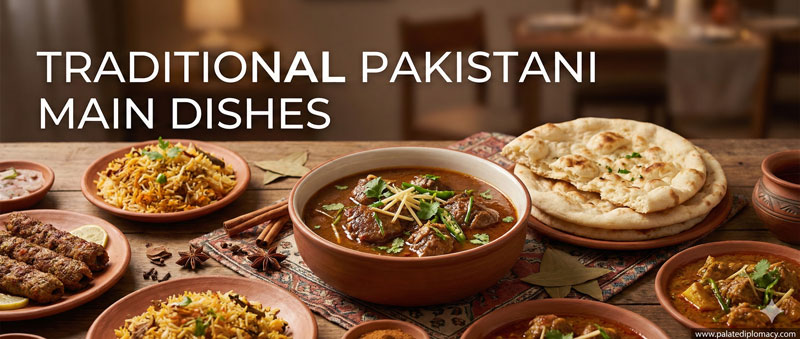
Nihari is more than a dish in Pakistan. It acts as a gentle invitation to togetherness. The meal gathers people at the table and in street kitchens alike. The aroma travels far, drawing neighbors and friends to share a moment. This is a culinary celebration of time well spent: patience, balance, and care. The dish centers on beef or lamb, slow-cooked until the meat is tender and the marrow yields a velvet richness. A fragrant blend of spices weaves through the pot, creating a warmth that feels both familiar and inviting. In every bite, you taste a culture that honors craft, family, and conversation. Nihari in Pakistan stands as a living tradition, open to all who wish to learn from its depth and beauty.
The Craft: Slow Simmer and Layered Flavors
The heart of Nihari lies in the slow simmer. A large pot, a patient cook, and a careful balance of spices create the signature depth. The meat releases its juices, mingling with marrow and a dark, glossy gravy. The spice blend often includes fennel, cumin, coriander, black pepper, and cardamom, with gentle notes of cinnamon and cloves. Fresh ginger and garlic bring brightness, while slow cooking lets every layer harmonize. The result is a dish that carries resonance of time, technique, and quiet attention. This is not a rush job; it is a craft that teaches restraint and precision. The final finish rests on a subtle touch of salt and a careful simmer to marry flavors just before service. The joy comes from watching a single pot evolve into a comforting, complex memory.
The Morning Circle: Breakfast, Hospitality, and Place in Daily Life
Nihari often appears as a cherished breakfast in many cities. The early hours bring a sense of ritual as families prepare for the day ahead. Shops open with the familiar sizzle of hot bread and steaming stew. Friends meet at a corner stall, sharing a slow, lingering meal before the day begins. The act of serving Nihari is itself a gesture of hospitality. A hot bowl, a basket of bread, a squeeze of lemon, sliced onions, and fresh cilantro welcome everyone near and far. The experience blends scent, sound, and conversation into a memorable morning. In this way, Nihari anchors daily life in warmth, welcome, and steady rhythm.
Plate, Pairings, and Presence
Nihari shines when paired with bread that can hold up to the rich gravy. Naan and sheermal are beloved companions, soaking up the deep flavors and adding their own texture. Finish comes with crisp onion rings, bright lemon wedges, and fresh green chilies for those who Like a gentle kick. A handful of chopped cilantro adds a fresh lift. The plate becomes a stage for textures: the melt-in-your-mouth meat, the silky gravy, the bread’s chew, and the crisp garnish. This is a dish designed to be shared, with each component enhancing the others in a quiet balance.
Regional Voices: Variations Across Cities
Across Pakistan, Nihari carries local character. In some places, the gravy thickens to coat the meat more boldly, while in others the sauce remains lighter and shinier. Cooking times may shift with tradition and practicality, but the core idea stays the same: patience, depth, and generosity of spice. Lahori Nihari often emphasizes a robust, rounded spice profile, while Karachi styles may lean toward brighter citrus notes and a touch more heat. Each city adds its own memory to the pot, yet all reflect a shared reverence for slow-cooked flavor and social meals that bring people close.
A Living Tradition: Sharing, Hospitality, and Memory
Nihari carries a soft memory of gatherings: late evenings turned into conversations, families returning home after a long day, neighbors stopping by a busy stall. The dish invites generosity; a bowl is never just for one person. It becomes an occasion to listen, to exchange smiles, and to savor the moment. The aroma travels through kitchens and streets, creating a bridge between generations. In this way, Nihari anchors culture in daily life, honoring craft, kinship, and the simple pleasure of a well-made meal.
Tips to Experience Nihari at Home
- Choose a good cut with bone marrow for depth and richness.
- Plan for long, gentle simmering; time and patience matter more than heat.
- Build the spice foundation with a balanced blend and adjust toward your preference.
- Finish with a light touch of salt and a minute of rest before serving.
- Serve with warm naan or sheermal, fresh onions, lemon wedges, and cilantro.
- Enjoy slowly, with friends or family, and let conversation follow the aroma.
Nihari in Pakistan invites you to slow down, savor, and celebrate the beauty of traditional cooking. It is a dish that speaks of care, community, and the joy of sharing a memorable meal. If you seek a culinary experience that blends warmth, culture, and flavor, Nihari welcomes you with an open, fragrant bowl.