
Introduction
Nihari is a beloved stew that shines a light on Pakistani Food Culture. This dish blends patience, warm spices, and generous hospitality into a single, fragrant pot. By exploring its preparation, flavors, and social role, we see how a meal can carry meaning beyond taste. Nihari invites family and friends to gather, share stories, and savor a moment of culinary care.
What Nihari Is
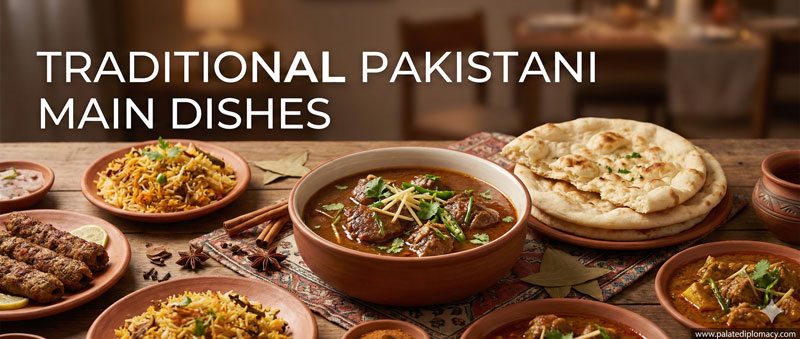
Nihari is a slow-simmered beef or lamb stew, often made with shank meat and marrow for deep richness. It starts with a spice mix that is toasted and ground, then combined with a saffron-tlecked broth. The meat becomes tender after long hours of cooking, yielding a silky sauce that clings to slices of bread. Serve it hot with fresh herbs, crisp fried onions, lemon wedges, and green chilies. The process honors time: the dish reveals its best when given space to develop.
The Scent and Texture of a Shared Moment
The aroma of Nihari fills a home Like a welcome. Spices such as fennel, cumin, coriander, cardamom, and a hint of chili rise together, creating a warm, slightly sweet scent. The sauce is thick and luxurious, yet brightened by citrus and herbs at the table. Each bite balances depth with freshness: the meat is melt-in-your-mouth tender, the bones lend a soft richness, and the spice blend lingers in a pleasing, aromatic finish. This harmony in texture and smell invites slow enjoyment and conversation.
Nihari as a Reflection of Hospitality
Hospitality is a cornerstone of Pakistani food culture, and Nihari embodies it. The cook often arrives early, tending the pot through the night, so the dish is ready for morning or for a late-night gathering. The act of serving Nihari becomes a ritual—placing a steaming bowl at the center of the table, offering toppings, and inviting guests to tailor their plate. Sharing a pot of Nihari signals warmth, generosity, and care. The meal becomes a social event, a way to honor guests and strengthen bonds through food.
Regional Voices Within Pakistan
Across cities and towns, Nihari carries distinctive regional flavors. In Lahore, a robust spice profile and a generous, velvety sauce are common. In Karachi, you may find brighter notes and a lively balance between heat and aroma, reflecting coastal influences. In other regions, cooks might adjust the masala to highlight local herbs and seasonality. Yet the core idea remains the same: a slow-cooked, soulful dish that binds people together around a common table.
The Ritual of Serving and Garnish
Garnishes elevate Nihari and enrich the eating experience. Slices of ginger, fresh coriander, lemon wedges, and green chilies add brightness and contrast to the deep meatiness. Fried onions introduce a crisp sweetness and a textural layer. The bread chosen to accompany Nihari—naan or a flaky, soft sheermal—acts like a vehicle to soak up the sauce, making each mouthful a complete experience. The serving ritual reinforces care: guests are invited to customize, share, and savor together.
Culinary Significance and Technique
Nihari showcases a sophisticated balance of technique and flavor. The slow simmering draws out collagen, creating a lush mouthfeel and a rich, glossy sauce. The spice blend—carefully toasted and ground—delivers complex warmth without overwhelming the meat. This method honors patience and craftsmanship, qualities that many cooks bring to their kitchens. The dish also highlights the importance of fresh accompaniments and careful timing, ensuring that each component is at its best when served.
Pairings that Elevate the Experience
Nihari pairs naturally with flatbreads that can scoop and soak up the sauce. Naan offers a chewy bite, while sheermal brings a delicate, slightly sweet contrast. Fresh herbs, bright lemon, and hot green chilies provide color and balance, inviting you to adjust flavors as you eat. The result is a complete, satisfying meal whose components support one another in harmony.
Modern Takes and Timeless Pride
Today, cooks innovate while preserving tradition. Some chefs introduce subtle variations in the spice mix or use different cuts of meat to suit tastes and occasions, yet the essence remains: Nihari as a shared, celebratory dish. This blend of innovation and reverence keeps the dish relevant, inviting new generations to experience its cultural value. The core message endures: Nihari is more than food; it is a ceremony of care and belonging.
Conclusion
Nihari stands as a vivid symbol of Pakistani food culture. Its slow preparation, rich aroma, and generous serving reflect a community that values patience, hospitality, and the joy of sharing a meal. Each bowl tells a story of family, friends, and the quiet beauty of a pot carried through hours of loving preparation. In Nihari, flavor, technique, and communal spirit converge to celebrate culture at the table.