
Introduction: Nihari as a Cultural Footprint
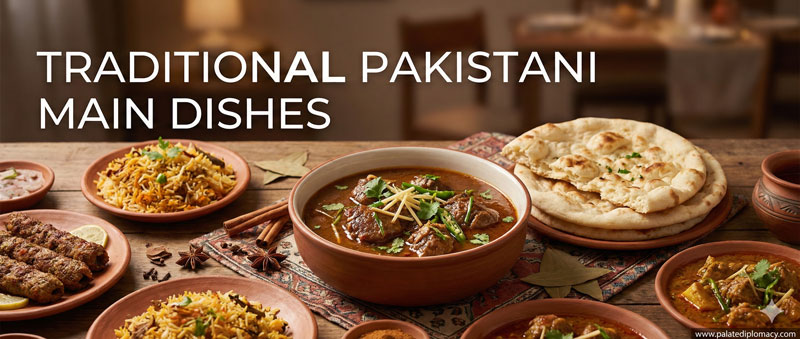
Nihari stands as a beloved thread in Pakistan’s food tapestry. It is more than a meal; it is a celebration of patience, craft, and shared moments. From bustling markets to quiet home kitchens, Nihari invites people to slow down and savor. Its aroma travels, drawing friends and family to the table. This dish embodies warmth, care, and a sense of belonging that many cherish as part of everyday culture.
The Flavor Palette: Spices, Meat, and Velvet Broth
Nihari begins with choice meat and a bone-in cut that lends depth. The grav y becomes silk-smooth through slow simmering. The magic comes from the spice blend: cumin, coriander, fennel, garam masala, cloves, cinnamon, and a gentle kiss of chili. Fresh ginger and garlic boost the fragrance, while an echo of black pepper rounds the finish. The result is a rich, savory broth that clings to every strand of meat. Each bite offers depth, warmth, and a comforting glow that many seek at dawn or on special occasions.
The Slow-Cooked Craft: Time as a Flavor Partner
The hallmark of Nihari is its patient preparation. Meat cooks for hours, slowly releasing juices and marrow. This long simmer extracts sweetness from the bones and builds a complex layer of flavor. The cook’s skill shines in balancing heat, salt, and spice so the gravy remains luminous rather than heavy. The process is a quiet drama of temperature, scent, and timing. When the pot finally rests, it invites careful tasting, adjustment, and appreciation.
Regional Variations: A Tapestry Across Pakistan
Across cities, Nihari wears subtle regional accents. In one city, the gravy leans slightly toward a deeper, smoky note. In another, the broth shines with a lighter, more citrusy finish from fresh herbs. Some kitchens favor beef, others a mix of beef and mutton. Yet the core is the same: a slowly built, richly seasoned broth that batters the senses with warmth. These variations celebrate local ingredients and family traditions, all while keeping the dish recognizable and beloved.
Serving Traditions: Accompaniments That Elevate the Experience
Nihari finds its best partners in simple, fresh companions. Warm naan or sheermal soaks up the gravy beautifully. A wedge of lemon, chopped cilantro, and julienned ginger brighten the plate. Onions, sometimes fried until crisp, add a contrasting crunch. A spoonful of chili-garlic chutney can heighten the bite for those who Like a little kick. Together, these elements create a plate that feels balanced, comforting, and full of texture.
The Social Moment: Food as a Shared Experience
Nihari gatherings are moments of connection. Families and friends come together to Enjoy a dish that travels from kitchen to table with care. The fragrance invites conversation, smiles, and a sense of anticipation. A shared meal around Nihari often marks a weekend treat or a festive start to the day. In such moments, the dish becomes a memory in the making.
Pairings and Menu Harmony: Building a Complete Breakfast
Nihari pairs with beverages and side dishes that enhance its warmth. A simple glass of cold water or a fragrant chai can balance the richness. Light, airy breads contrast nicely with the sturdy gravy. Fresh herbs and lemon provide a bright counterpoint. This harmony helps the dish feel complete without overwhelming the palate.
How to Enjoy Nihari at Home: A Gentle Guide
Begin with quality meat and a well-flavored base. Simmer slowly, checking tenderness and salt. Finish with fresh ginger, garlic, and a touch of lemon for brightness. Serve hot with naan or sheermal, and offer the garnishes on the side. A well-made Nihari becomes a comforting ritual that you can repeat with care and joy.
Conclusion: A Dish That Remains Close to the Heart
Nihari embodies cultural care, culinary technique, and communal joy. It invites you to slow down, to notice aroma and texture, and to share a table with warmth. In every region, it holds a special place as a dish that unites flavor with memory. By honoring its craft, we celebrate a timeless piece of Pakistan’s Food Culture.