
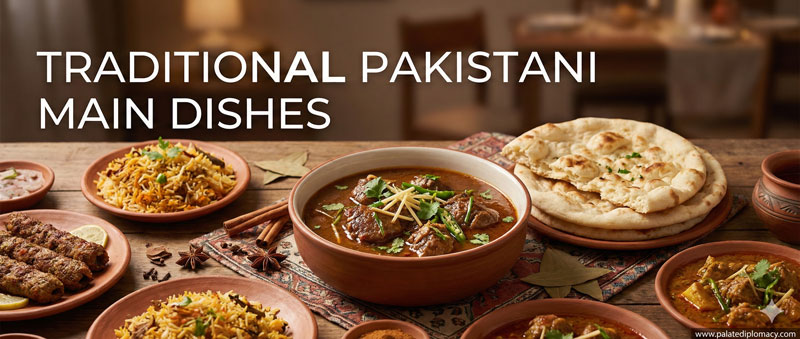
Discover the Rich Flavors of Nihari
Nihari is a slow-cooked stew that showcases the depth of meat, spice, and patience. It uses beef or lamb, sometimes with marrow bones, simmered until the meat becomes tender and the gravy silky. The dish arrives at the table with a warm, inviting aroma and a score of color from the spice blend. This is more than a meal; it is a lasting note in The Story of home cooking in the Indian subcontinent. Nihari invites roaming conversations around the pot and the shared joy of a nourishing breakfast or a ceremonial feast. The name suggests slow simmering, a technique that reveals layers of flavor with time. In homes and eateries alike, Nihari stands as a symbol of hospitality and thoughtful kitchen craft.
The Ingredients That Tell a Story
Nihari blends simple ingredients into something memorable. Core elements include:
– Meat: beef or lamb, cut for long simmering, often with marrow bones for richness.
– Base: a light onion-infused gravy to carry spices.
– Spices: garam masala, coriander seeds, cumin, fennel, cloves, cinnamon, black pepper, cardamom, and bay leaves.
– Aromatics: fresh ginger and garlic, sometimes green chilies for brightness.
– Fats: ghee or oil to temper the spices and finish the dish.
Together, these parts create a fragrant, multi-dimensional profile. The spice mix is key, yet Nihari lets the meat’s own sweetness and the marrow’s depth come forward. Each bowl tells a quiet story of careful grinding, balancing heat and aroma, and honoring the patience that the dish requires.
The Method: Patience and Precision
A perfect Nihari unfolds through steady, attentive steps. First, sear the meat to deepen its color and body. Next, add onions, garlic, and ginger to build a warm foundation. Then, introduce the spice blend and stir to release their oils. Water or stock is added, and the pot rests on a gentle simmer for several hours. As the liquid thickens, the flavors deepen and the marrow softens. Finally, a quick tempering—spices toasted in hot oil and poured over the finished curry—lifts the aroma and brightens the finish. The result is a gravy that clings to meat, with a lingering perfume that draws you back for another bite.
Cultural Significance: A Dish of Shared Moments
Nihari carries a sense of gathering and care. It is often prepared for special mornings, weekend family breakfasts, or celebratory meals, where loved ones come together to share warmth and conversation. The steaming pot acts as a social centerpiece, inviting guests to taste and discuss the layers of spice, texture, and balance. Serving Nihari is an act of hospitality, a way to say “welcome, and enjoy.” Across households, the dish marks moments of reunion, celebration, and thoughtful cooking that respects several generations of kitchen craft. Its quiet dignity Makes It a respected part of daily life as well as festive occasions.
Regional Variations: A Tapestry of Flavors
Nihari travels across regions, picking up small regional flourishes while keeping core identity intact. In Lahore, the dish is famed for its rich marrow and robust spice presence, often enjoyed with hot, fluffy naan. In Karachi, it can lean a little brighter with aromatics that awaken the palate at breakfast. In Delhi and other North Indian pockets, the balance between spice and savor leans toward a slightly sweeter, deeper gravy. Each variation reflects local tastes, ingredients, and cooking methods, yet all share the same spirit: a slow, patient craft that honors meat, spice, and time. This tapestry of flavors highlights how a single dish can unite diverse kitchens under a common, beloved identity.
Pairings and Traditions: The Table Comes Alive
Nihari finds its fullest expression when paired with the right accompaniments. Classic choices include:
– Flatbreads: hot naan, kulcha, or soft sheermal to scoop up the gravy.
– Fresh toppings: chopped onions, cilantro, and lemon wedges to add brightness.
– Condiments: a small dish of green chutney for a zing of freshness.
– Final touches: a splash of lime and a drizzle of extra ghee can elevate the depth of flavor.
The ritual of dipping bread, savoring the first spoonful, and sharing the pot with family or friends adds to Nihari’s cultural charm. The bread, the citrus, and the heat work together to create a memorable, communal eating experience.
The Scent and Sensory Experience
The aroma of Nihari is inviting and complex. Spices like cinnamon, cardamom, and cloves mingle with the meat’s natural sweetness and the richness from marrow. The scent Rises in waves, signaling a dish that has been patiently cared for. When the pot is opened, the steam carries a comforting invitation: come, sit, and enjoy. This sensory memory stays with diners long after the last bite, reinforcing Nihari as a marker of warmth and good company.
Cooking at Home: Tips for a Perfect Pot
A few practical tips help home cooks capture the essence of Nihari:
– Choose good meat: a well-mooled cut with some marrow adds depth.
– Build the base: use onions and aromatics to create a friendly foundation before the spices.
– Balance spices: start with a measured blend and adjust after tasting. It’s easier to add heat than to remove it.
– Low, slow heat: keep a steady simmer to coax tenderness and a silky gravy.
– Finish with care: temper whole spices in hot oil and drizzle over the curry for an enhanced aroma.
– Rest before serving: allow the dish to settle for 15–20 minutes so flavors harmonize.
With patience and attention, a home kitchen can produce Nihari that echoes the same comfort and depth found in renowned eateries.
Nihari Across Seasons: A Gentle Rhythm
Nihari adapts to seasons and moods. In cooler weather, the dish feels especially comforting, offering warmth and nourishment. In milder times, it remains a celebration of technique and flavor, a dish that invites mindful savoring and shared moments. The flexibility of its preparation allows cooks to tailor spice levels, fat content, and serving styles to suit the occasion, while preserving the essence of a traditional, time-honored recipe.
Conclusion: Embracing a Rich Culinary Heritage
Nihari stands as a dignified example of traditional cooking that honors time, technique, and togetherness. Its deep flavors, patient preparation, and social role make it more than a meal—it is a cultural signature that many people hold dear. By exploring the dish, you discover not only a robust curry but also a practice of care: selecting quality ingredients, respecting slow cooking, and sharing with others. Whether you prepare Nihari for a family morning or a festive gathering, you invite a heritage to the table and celebrate the beauty of well-made, comforting food.