
Introduction
Nihari holds a cherished place in Pakistani cuisine, not merely for its depth of flavor but for the warmth it brings to the table. This dish speaks to patience, technique, and a shared love of slow, soulful cooking. Its journey from everyday kitchen staple to a celebrated staple on many dining tables reveals a culinary culture that honors tradition while welcoming subtle modern touches. In this post, we explore how Nihari became popular in Pakistani cuisine, focusing on its cultural value and culinary significance.
What Nihari Is
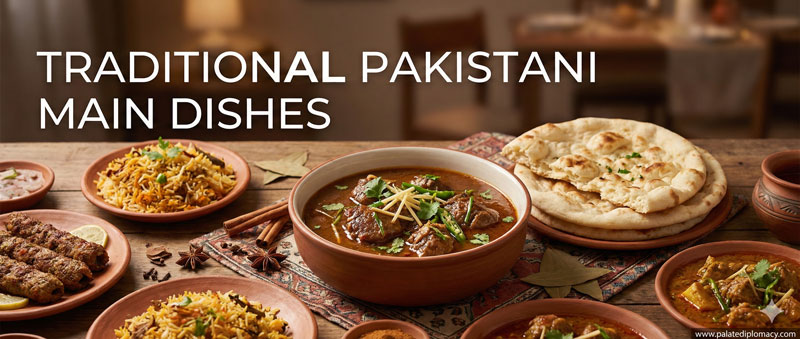
Nihari is a slow-cooked meat stew, traditionally made with beef or lamb. It features a rich, velvety gravy that absorbs spice and bone marrow to Create a luminous depth. The name itself evokes a sense of long, gentle simmering, a method that transforms simple ingredients into something comforting and grand. The dish is typically enjoyed with fresh flatbread such as naan or a delicate sheermal, allowing every bite to carry the fragrance of spices, citrus, and aromatic onions. This is a dish that invites sharing, and its simple structure hides a carefully balanced complexity.
The Slow Craft: How Nihari Is Made
The essence of Nihari lies in time and technique. Meat is simmered slowly, often overnight, with a blend of spices that may include coriander, cumin, fennel, black pepper, and a special Nihari spice mix. The marrow from bones enriches the gravy, giving it a silkiness that coats the palate. The heat is steady, the pot is tended with care, and every stir matters. As a result, the flavors deepen and harmonize. The process rewards patience, but its rewards are not only taste; they are the textures, the aroma that fills the kitchen, and the sense of anticipation that builds as the dish nears readiness.
Cultural Rhythm: Nihari in Everyday Life
Nihari is more than a meal; it is a cultural rhythm. It appears in weekend breakfasts, festive gatherings, and late-night suppers when family and friends come together. The aroma alone can summon conversations, laughter, and a shared sense of hospitality. In many homes, Nihari becomes a symbol of preparing for guests, a gesture of welcome that says, “You are valued here.” This daily ritual—slow cooking, aromatic anticipation, and a generous plate shared among loved ones—is at the heart of why Nihari endures in Pakistani Food Culture. It is a dish that invites connection, not competition, and it treats nourishment as a communal act.
Regional Threads: Variations Across Pakistan
Though the core technique remains recognizable, regional preferences shape Nihari in distinctive ways. In Lahore, for example, the spice profile tends to be robust, with a pronounced warmth and a slightly darker, richer gravy. Karachi offers a version that balances spice with a certain brightness, often featuring a lively garnishing of fresh herbs and chilies. In other cities, cooks may adjust the marrow content, the thickness of the gravy, or the level of heat to suit local tastes. Yet across regions, the dish preserves its essence: a slow-cooked meat stew served with bread and celebratory garnishes. These variations reflect the diversity of culinary voices within Pakistan, each adding a note to the overall harmony of Nihari.
The Social Table: Serving and Garnishing
Serving Nihari is an extended ritual that enhances its cultural value. A bowl of steaming gravy is crowned with fried onions, chopped fresh coriander, and slivers of ginger. A wedge of lemon provides a bright counterpoint to the deep spices. Green chilies offer a crisp heat, while a side of crisp flatbread invites the diner to scoop and savor. The act of garnishing is a communal ceremony, a moment of shared care as everyone sits down to eat. This ritual emphasizes hospitality and attentiveness, qualities that Pakistani food culture holds in high regard.
From Street Corners to Family Kitchens
Nihari’s popularity grew through its presence in dhabas and street-side eateries, where the dish was perfected over long hours of cooking and served with generous portions. At the same time, home cooks refined their own family versions, passing down secrets about spice blends, simmering times, and the balance of flavors. The result is a cuisine that blends public pride with private affection: a dish that tastes of neighborhood corner carts and of grandmother’s kitchen alike. Both public and private kitchens contribute to Nihari’s enduring appeal, reinforcing its role as a bridge between public celebration and intimate home cooking.
Nihari in Festivals and Special Occasions
During special occasions and festive periods, Nihari often takes center stage. It appears on elaborate menus for family gatherings, and at times it makes a cherished appearance during Ramadan evenings or Eid morning breakfasts. In these moments, Nihari becomes a symbol of generosity and hospitality, inviting communities to come together, share a meal, and honor the bonds that sustain cultural life. Its presence in celebratory meals reinforces the idea that great food marks meaningful occasions.
The Modern Kitchen: Tradition Meets Innovation
Today, cooks approach Nihari with a balance of reverence and curiosity. Home kitchens may use modern tools to maintain the long simmer while preserving the dish’s soul. Restaurants, meanwhile, experiment with presentation, allowing diners to appreciate the stew’s texture and aroma in new ways while staying faithful to the core flavors. This dialog between tradition and innovation keeps Nihari alive in a fast-changing culinary world. Yet even as methods evolve, the dish remains anchored in a philosophy of patience, craft, and the joy of sharing.
The Language of Flavor: Culinary Significance
Nihari embodies several culinary principles that resonate in Pakistani cooking. First, slow simmering is a discipline that rewards patience and attention to detail. Second, the use of marrow and a thoughtfully blended spice mix demonstrates how depth develops over time, not through intensity alone. Third, pairing rich, comforting gravy with bread highlights a culture that values texture and balance. Finally, the act of serving and sharing Nihari enshrines hospitality as a core value. Taken together, these aspects explain why Nihari is not merely a dish but a representation of culinary philosophy.
A Gateway Dish: Accessibility and Comfort
Despite its grandeur, Nihari is approachable. The dish invites curious diners to learn how spice, fat, and heat weave together. For home cooks, it offers a doorway into broader flavors of the region, encouraging experimentation with spice blends, cooking times, and garnishes. In this way, Nihari functions as a gateway to Pakistani cuisine, inviting people to explore a tradition through a single, fragrant pot.
Conclusion
Nihari’s popularity in Pakistani cuisine rests on a simple, powerful truth: great food grows from careful technique, patient cooking, and a welcoming table. Its cultural value lies in How It binds people together—families, neighbors, and guests—through shared meals that are rich in aroma, texture, and memory. The dish’s culinary significance stems from its balance of depth and warmth, its regional variations, and its ability to adapt to modern life while preserving time-honored methods. If you seek a dish that celebrates patience, hospitality, and the artistry of spice, Nihari offers a true and generous invitation to savor the beauty of Pakistani food culture.