
The Story Behind Nihari, a Pakistani Food Favorite
Nihari is a slow-simmered stew rooted in the daily rituals of Pakistani kitchens. It centers on beef or lamb, often enriched with marrow bones, and it relies on a patient simmer that turns meat tender and broth lush. The dish brightens mornings, strengthens tables during gatherings, and invites slow, mindful tasting. Its aroma travels before the pot is lifted, drawing people toward the table with a warm, welcoming pull. Nihari celebrates patience, balance, and the joy of sharing a meal that grows richer with time.
The Core of Nihari: Ingredients and Texture
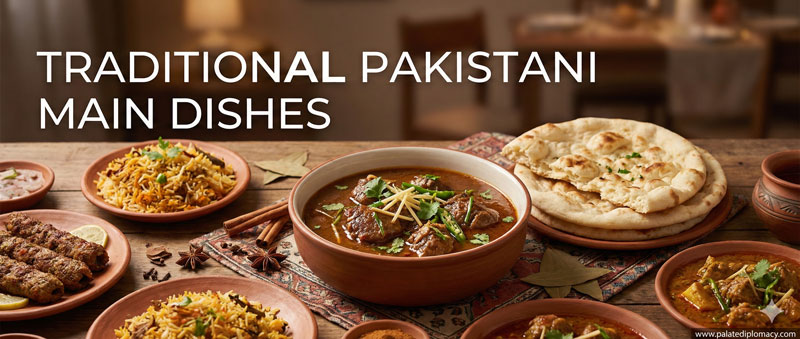
The heart of Nihari lies in a few simple yet powerful elements. Meat, bone marrow, and a seasoned stock blend into a broth that gleams with a deep, reddish-brown hue. A masala of fennel, cumin, coriander, black pepper, and chili seeds creates a warm harmony. Ginger and garlic lift the base, while garam masala adds a final, fragrant note. The result is a stew whose texture feels velvety on the palate, with meat that falls away from the bone and a broth that clings to the surface of each bite. Serving with fresh naan or a flaky sheermal completes the experience, letting every mouthful carry spice, steam, and comfort together.
The Craft: Slow Simmering and Spice
Nihari earns its character through time. Cooks begin with a robust spice blend, toast the spices to release aroma, then simmer the meat slowly in a rich stock. The process can take several hours, with the pot kept at a gentle simmer to preserve both tenderness and depth. This patient method yields a broth that blooms with every stir, and a meat texture that is tender yet sturdy enough to hold its shape. The careful balance of heat, spice, and time is the craft that makes Nihari feel Like a soulful dish, not a hurried meal. The result is an aroma that fills the room and a flavor that lingers invitingly.
A Cultural Tasting Experience
Nihari offers more than sustenance; it offers a sensory welcome. The steam carries notes of spice that excite the senses, while the garnish of julienned ginger, sliced green chilies, chopped coriander, and a squeeze of lemon freshens the plate. Onions, thinly sliced, rise as a sweet-crisp counterpoint to the heat. Each bite layers meat, marrow, and broth, with the spice profile adapting to the eater’s preference. The pairing with bread—naan for dipping, or a softer flatbread—encourages sharing and slows the pace of a meal, turning eating into a small ceremony of togetherness.
Regional Voices: Variations Across Pakistan
Across Pakistan, Nihari takes local voice and color. Lahori Nihari tends to carry a bold spice presence and a glossy, rich broth that stands up to hearty bread. Karachi versions may lean with a robust aroma and a touch more chili warmth, while patterns in Punjabi and Sindhi kitchens emphasize a balance between meat sweetness and spice edge. Each regional interpretation respects the same core idea—slow-cooked meat in a fragrant broth—yet offers a distinct fingerprint of taste, technique, and aroma. This variety highlights how a single dish can harmonize differences into a shared culinary conversation.
Serving Traditions and Etiquette
Nihari shines when served hot, with a platter of accompaniments. Slice of lemon, a handful of chopped coriander, and fresh ginger provide bright contrast. Green chilies offer a welcome kick for those who want it. A bowl of onions, steeped in a touch of vinegar or lemon, lightens the palate between bites. Presenting the dish with care—hot, steaming, and aromatic—helps guests savor the balance of spices, meat, and stock. The act of sharing Nihari strengthens hospitality and invites guests to linger, enjoying not just the food but the moment and the conversation that accompany it.
Nihari in Modern Life: A Bridge Between Kitchens
Today, Nihari appears in home kitchens, family gatherings, and local eateries with equal warmth. It travels from pot to table as a symbol of comfort and craft. Recipes are passed down with loving notes on timing and spice levels, allowing each cook to honor tradition while shaping the dish to personal taste. Whether enjoyed as a weekend centerpiece or a celebratory breakfast, Nihari remains a gentle ambassador for Pakistani culinary values: hospitality, patience, and the joy of a shared, nourishing meal.
A Final Note: The Beauty of Nihari
Nihari stands as a luminous thread in the fabric of Pakistani food culture. Its beauty lies in the quiet ritual of slow cooking, the layered warmth of spices, and the simple pleasure of gathering around a pot to share. It invites curiosity about how flavor deepens with time and how a single pot can bring people together. In every bite, Nihari tells a story of care, craft, and community—an enduring favorite in the country’s rich culinary landscape.