
Introduction
The Story Behind Nihari, A Pakistani Food Favorite, invites you to explore more than a dish. It invites you to feel a family’s rhythm, a city’s sunrise, and a kitchen’s patient heartbeat. Nihari is a slow, fragrant stew that has earned a warm welcome in homes and markets alike. It blends depth, warmth, and daily joy. This post focuses on its cultural value and culinary significance. You will feel why many people begin their day with a rich bowl, how aroma travels through rooms, and how a simple meal becomes a ritual of sharing.
What is Nihari?
Nihari is a slow-cooked meat stew. Beef or lamb takes center stage, sometimes with bone marrow for extra richness. The pot remains gentle and steady for hours. The result is tender meat in a glossy, spiced broth. The name Nihari is linked to early-morning meals in some traditions, but the heart of the dish lives beyond a clock. Families gather, ladle the stew, and savor the aroma that travels from stove to table. The dish is valued for its comforting texture and its ability to bring people together around the same pot.
The Slow-Cook Magic
The magic of Nihari lies in patience. A clear, strong stock forms the foundation. Then slow heat builds flavor. The meat becomes fork-tender and richly infused with spices. The process is calm and purposeful. Cooks adjust the simmer, tasting and refining. This quiet patience is a tribute to care in everyday cooking. The result is not hurried, but beautifully harmonious. The long simmer is a dance between meat, bone marrow, and spice, and the final bowl carries that memory.
Key Ingredients and Masala
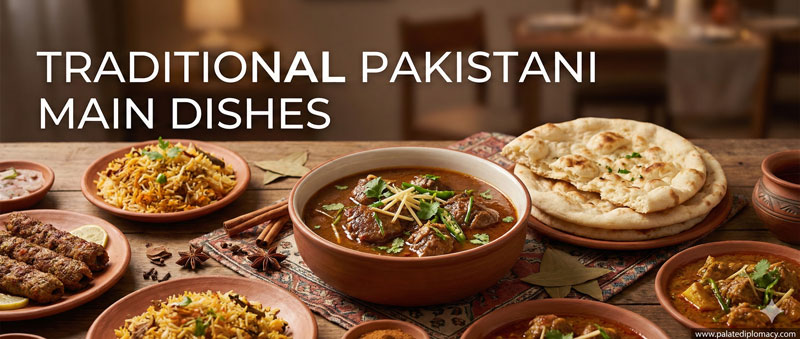
A handful of ingredients explains Nihari’s character. The core is meat, usually beef shank or leg. Bone marrow adds velvety depth. The spice blend, or masala, often includes coriander, cumin, fennel, cinnamon, cloves, black pepper, and cardamom. Turmeric provides warmth, while paprika or chili adds gentle heat. Fresh ginger and garlic brighten the broth. Finishing touches include chopped cilantro, lemon wedges, and crisp fried onions (birista). Each family or cook may adjust the balance, but the essence stays the same: a deeply flavored, comforting bowl.
The Texture and Aroma
Texture matters as much as taste. Nihari offers a silky, almost velvety broth and soft, succulent meat. The contrast with a crisp bread like naan or sheermal makes the experience complete. The aroma greets diners first, inviting them to pause and savor. The aroma comes from the slow simmer, the marrow sweetness, and the mingling spices. This fragrance signals care, celebration, and the pleasure of sharing a meal together.
Serving Traditions
Nihari is usually served hot, straight from the pot. It travels to the table with attention to presentation. A bowl of broth, a ladle of meat, and a side of bread create balance. Fresh herbs, lemon, and birista brighten the dish at the moment of serving. People often ladle a generous amount of gravy onto their bread, then savor the tender meat. The ritual of serving reinforces hospitality and community. It is a moment to pause, smile, and appreciate craft.
Regional Variations Within Pakistan
Across Pakistan, cooks adapt Nihari to local tastes. Lahori Nihari emphasizes a robust masala and a silky finish. Karachi versions may lean toward deeper spice notes and a slightly thicker gravy. Peshawar and other regions add subtle regional twists, reflecting local spice blends and meat choices. Yet the core remains the same: a slow-cooked, deeply flavorful beef or lamb dish that shines when shared. These variations celebrate regional pride while honoring a common love for this comforting stew.
Modern Takes and Shared Joy
Today, Nihari travels beyond home kitchens. Restaurants showcase traditional prep while offering thoughtful additions, such as lighter gravies or protein choices, to suit modern tastes. Yet the most cherished versions still honor the slow-cook method and the family appetite that inspired them. The dish continues to pass from one cook to another, through generations of home cooks and chefs. It remains a focal point for gatherings, breakfasts, and festive meals, proving that heritage can be fresh, generous, and welcoming.
Conclusion
Nihari stands as a testament to patience, craft, and community. It is more than a meal; it is a shared memory in a bowl. The dish invites curiosity about flavor, technique, and familial rituals. It rewards those who take time to understand its balance of meat, spice, and aroma. By honoring Nihari, you honor a living Food Culture that thrives in kitchens, markets, and tables where people come together to celebrate flavor and connection.