
What Makes Nihari So Special in Pakistan
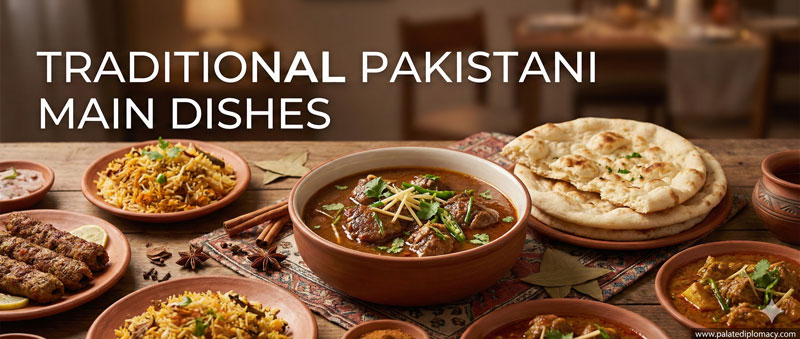
Nihari is more than a meal. It is a warmth that travels from the pot to the heart of a table. In Pakistan, this dish carries a quiet dignity. It speaks of careful technique, patient cooks, and families gathered around a shared plate. The aroma announces a moment of welcome. Nihari invites slow savoring, conversation, and gratitude for good food.
From the first steam to the last bite, Nihari shows how culture can live in a single, nourishing bowl. The dish echoes a respect for tradition while inviting new cooks to participate. The act of serving Nihari is a gesture of hospitality. It says: you are seen, you are cared for, you are welcome to stay and feast. That spirit keeps Nihari at the center of kitchens and restaurants alike. It also glides gently into the mornings, where the scent wakes sleepy households and signals a day that promises comfort.
The Craft Behind the Pot: Slow Simmering and Spice
Nihari begins with quality cuts of meat, usually beef or lamb, and often bone marrow. The meat is braided with a serene spice blend and left to mingle in a stock that simmers for hours. This long simmering is the soul of the dish. It unlocks deep flavors that no quick cook can match. The gravy grows thick and glossy as the flavors mellow into harmony.
The spice ensemble is warm and inviting. It blends cumin, coriander, fennel, cloves, cinnamon, and cardamom with a peppery kick. A paste of ginger and garlic adds sharp brightness. The crucial finishing touch is a bright nihari masala, ground fresh for striking aroma. As the pot breathes, the kitchen fills with a scent that feels Like a welcome embrace. The result is a velvet gravy with a gentle heat and a lingering character that lingers on the palate.
Cooks often finish Nihari with a quick toss of fried onions, chopped cilantro, and a squeeze of lemon. A scatter of green chilies adds a fresh spark for those who like a little bite. This topping is not mere garnish; it brightens the depth of the meat and the richness of the gravy. Each component works in concert, producing a dish that is greater than the sum of its parts.
A Ritual of Sharing and Morning Warmth
The table around Nihari becomes a small ceremony. Families and friends gather to share a steaming pot and a chorus of bowls. The act of serving is as important as the act of eating. A server or a family member ladles portions with care, ensuring everyone gets a generous taste. The meal moves slowly, encouraging stories, laughter, and careful conversation about the day ahead.
Nihari also travels well beyond the home kitchen. In famed city eateries, long counters glow with the same promise: a hot pot ready to welcome patrons. The dish adapts to visitors, offering a comforting bite to seasoned Nihari lovers and curious first-timers alike. Yet the heart remains steady: Nihari thrives where people come together to share a meal without hurry.
Regional Notes: Variations Across Pakistan
Across different cities, Nihari takes on subtle personality shifts. In Lahore, the spice balance often leans toward a robust, lingering warmth. The meat can be richly textured from slow braising, and the gravy glistens with a refined depth. In Karachi, cooks may emphasize a slightly tangier finish and a brighter aroma, inviting the palate with a fresh finish. Peshawar and other regions offer their own flavor profiles, adapting the spice mix to local tastes while preserving the essential, comforting core of Nihari.
This diversity is a testament to a living cuisine. It shows how a single dish can grow with its cooks and remain recognizably Nihari. The core idea stays the same: a long, mindful cook, a velvet gravy, and a plate that invites sharing. The result is a dish that feels both anchored and adventurous, traditional yet welcoming to new twists.
Serving Traditions and Perfect Pairings
Nihari travels best with bread. Naan is a classic companion, its soft pocket perfect for scooping up the rich gravy. Kulcha or sheermal also pair beautifully, offering different textures to balance the meat and sauce. A squeeze of lemon brightens the dish, while fresh cilantro and green chilies add crisp freshness.
As a breakfast or a hearty lunch, Nihari invites a steady pace. Several spoons, several bowls, and a chorus of compliments create a satisfying ritual. The pairing choices matter, yet they never overshadow the main star—the depth and warmth of the stew poured over a warm, fluffy bread.
Nihari in Modern Kitchens: Honoring the Past, Embracing the Present
In today’s kitchens, cooks honor the traditional method while welcoming contemporary techniques. Many purists insist on the slow, patient simmer, sometimes overnight, to coax the fullest flavor. Others explore shortcut blends that capture the essential aroma and texture without sacrificing satisfaction. Regardless of the method, the aim remains the same: preserve the dish’s soul and keep its cultural value intact.
Home cooks can adapt Nihari to their own appetite. Some may prefer leaner cuts; others may seek a richer bone marrow presence. The spice blend can be adjusted for heat tolerance or aroma preference. Yet every version should honor the core experience: a fragrant, deeply comforting bowl that speaks to heritage and shared joy.
The Enduring Beauty of Nihari
What makes Nihari special in Pakistan is not only its taste. It is its ability to unite people at the table. It is the patience shown in the kitchen during the long simmer, the generosity in serving, and the quiet pride in a dish that travels well beyond a single bite. Nihari embodies a living tradition: a dish that remains warmly contemporary while staying faithful to its origins.
If you are new to Nihari, approach it with curiosity and respect. Allow the aroma to guide you, and savor the texture as it melts in your mouth. Share it with friends and family, and you will experience the true beauty of this dish: a culinary treasure that celebrates the heart of Pakistani Food Culture.