
Introduction
How Pickled Herring Reflects Nordic Food Culture invites readers to see more than a dish. It opens a window into the values, rhythms, and flavors that shape Nordic dining. This article explores the cultural value and culinary significance of pickled herring, showing how a simple preparation can carry care for the season, the sea, and shared meals. Expect inviting tales of texture, balance, and everyday ritual.
What makes pickled herring a Nordic staple
Pickled herring is born from practical craft and sensory balance. In Nordic kitchens, the fish is handled with care, then transformed in a bright brine that harmonizes sour and salty notes. The result is a versatile ingredient that fits various meals and moments. In short, the dish embodies a practical elegance that many households cherish.
Flavor and texture as cultural language
The tang of vinegar, the touch of sweetness, and the firm bite of the fillet speak a language common to Nordic tables. The flavors echo the coast and seasonal harvests, where freshness meets preservation. Delicious contrast arises when the herring meets onions, herbs, or a touch of mustard. These combinations tell a story of place, season, and careful timing.
The craft behind the pickle
Crafting pickled herring is a patient, attentive act. Select the freshest fillets, then balance salt, sugar, and acidity to achieve a bright, clean finish. The brine can vary by region, producing gentle, crisp, or slightly aromatic profiles. The craft rewards attention to detail and consistency, inviting cooks to refine their approach with every batch.
Everyday meals and festive moments
In daily meals, pickled herring lends brightness to rye bread, boiled potatoes, and crisp vegetables. It also shines during festive spreads, where a platter becomes a social centerpiece. The dish invites sharing, conversation, and a sense of togetherness around the table. Thus, it strengthens the feeling that food is a thoughtful, communal act.
Regional variations and serving traditions
Different Nordic regions celebrate pickled herring in distinct styles. Some favor a dill-forward note, others a peppery mustard glaze, and some pair the fish with onions and apples for subtle sweetness. Plates often feature simple garnishes that highlight the fish itself. This variety demonstrates how a single ingredient can express multiple regional tastes while preserving a common cultural thread.
Pairings and plate aesthetics
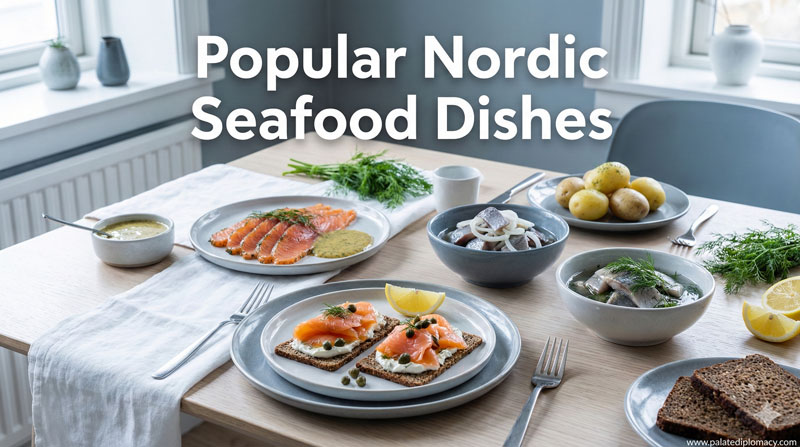
Serve pickled herring with crusty rye or dark bread, a slice of onion, and a clean potato side. A dollop of sour cream or a light herb dressing can elevate the dish without overpowering it. The presentation often emphasizes clarity, color, and balance, reinforcing the Nordic preference for meals that feel calm, collected, and inviting.
Conclusion: The enduring beauty of the dish
Pickled herring remains a beloved emblem of Nordic food culture. It demonstrates how preservation, seasonality, and careful seasoning come together to create something greater than the sum of its parts. By honoring tradition while inviting new pairings and textures, the dish continues to enchant cooks and diners alike. In this way, pickled herring offers not just flavor, but a window into a region’s culinary soul.