
Introduction
How pickled herring reflects Nordic Food Culture is a quiet story told in a plate. The dish appears in kitchens and on festive boards with a calm reliability. It celebrates sea-to-table wisdom, practical preservation, and a shared palate that values freshness, brightness, and balance. Across Nordic homes, pickled herring speaks to craft, place, and daily joy. It invites us to slow down, notice textures, and savor the clear notes of vinegar, salt, and sweet onion.
The craft behind pickled herring
The dish rests on simple, attentive technique. Fresh herring is cleaned, filleted, and layered in a brine that blends salt and sugar with a bright acidity. Vinegar or a mild souring agent provides the tang, while onions, peppercorns, and subtle spices lift the fish without overpowering its clean nibble. The choice of spice—dill, mustard seeds, or juniper—depends on family tradition and regional flair. The recipe travels through kitchens, yet the core idea stays the same: preserve a prized catch so its light, fatty character remains vibrant in colder seasons. The result is a texture that is tender yet firm, with a crisp bite from the brine and a lingering, balanced finish. This balance of technique and nature is a hallmark of Nordic culinary sensibility.
Regional voices across the Nordic countries
Nordic countries share a fondness for pickled herring, but each country adds a distinct voice. In Sweden, the version often leans toward a milder brine with a touch of sweetness and a subtle onion presence that brightens every bite. Norway and Denmark tend to emphasize crisp, sharp contrasts, layering hints of dill, mustard seeds, and pepper for a lively, herbaceous profile. Finland offers versions that play with creamy accompaniments or peppery accents, highlighting the herring’s clean backbone. Iceland, with its own seasonal pantry, tends toward bracing, aromatic finishes that make the fish feel light and accessible. Despite these differences, the dish remains a unifying thread—an accessible, everyday treasure that travels gracefully from market to table.
Seasonality, celebrations, and social tables
Pickled herring shines in winter months when fresh seafood is less abundant and the palate craves brightness. It often appears on holiday tables and on casual gatherings alike, lending a sense of continuity and comfort. In Nordic festive spreads, it complements root vegetables, rye bread, and cold-smoked preparations, creating a mosaic of textures and flavors. The dish also accompanies market stalls and family meals, where conversations pause briefly to admire a jar opened with care. Its seasonal role is simple: a reliable, welcoming addition that invites sharing and appreciation for well-made preserves.
Flavor, texture, and culinary significance
The flavor profile of pickled herring is fresh, tangy, and gently briny. The acidity awakens the palate, the fish contributes a buttery feel, and the onions supply a crisp counterpoint. This blend demonstrates a culinary philosophy that values balance—bright yet soothing, simple yet expressive. Texture matters, too: the fish remains tender, the onions stay crisp, and the brine seals the flavors with a clean aftertaste. Such harmony reflects Nordic food culture’s preference for foods that are versatile, easy to prepare, and deeply satisfying in everyday life. The dish teaches that care in preparation yields elegance in flavor without ceremony.
Pairings and everyday meals
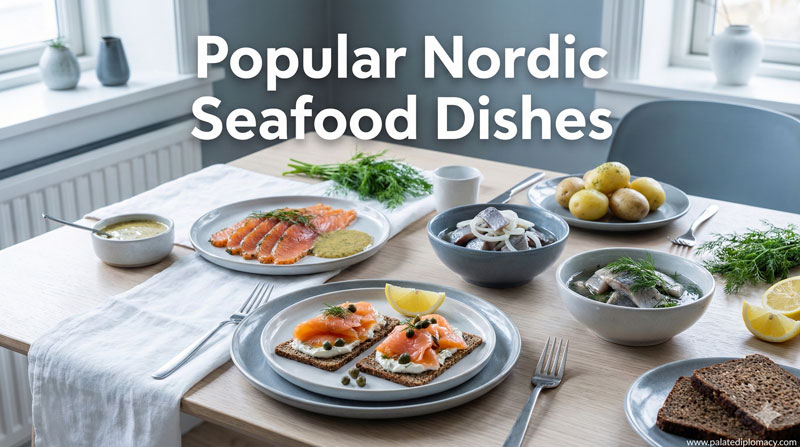
A well-chosen pairing elevates pickled herring from a snack to a comforting element of a meal. Rye bread or dark sourdough gives a sturdy, hearty counterpoint to the fish’s brightness. Potatoes, either boiled or mashed, create a gentle foundation that carries the tangy notes. A dollop of sour cream or a touch of mustard enhances creaminess and bite, while a crisp pickle or pickled carrot provides a bright crunch. A chilled glass of light beer or a small serving of aquavit can accompany the plate, reinforcing the cultural sense of pace and celebration. These pairings show how a single dish can harmonize with a broad spectrum of textures and flavors, inviting conversation and shared enjoyment.
Modern interpretations and accessibility
Today, home cooks and chefs alike explore approachable ways to enjoy pickled herring. Quick pickling with simple brine variations makes the dish accessible to beginners, while more intricate brines reveal deeper, layered flavors for enthusiasts. Contemporary presentations may feature a neat platter with micro herbs, thinly sliced onions, and a scatter of peppercorns for visual appeal, yet the essence remains intact: an invitation to taste the sea, the pantry, and the craft of preservation. The dish adapts to new kitchens while preserving its core values—respect for skill, attention to detail, and gratitude for seasonal ingredients.
A gentle celebration of Nordic food culture
Pickled herring embodies a philosophy of nourishment that is both practical and poetic. It honors fishermen and farmers who provide the ingredients, celebrates the art of preserving flavors for longer seasons, and invites people to share in a simple, satisfying moment. The dish stands as a quiet ambassador for Nordic food culture: it emphasizes balance, clarity, and modest elegance. By appreciating its preparation and savoring its bright notes, we also celebrate the broader beauty of Nordic cooking—where sea and pantry meet, and where food is a steady, welcoming companion on the table.
If you’re new to the dish, start with a straightforward version that uses a light brine, a touch of onion, and a sprig of dill. Let the flavors mingle slowly, then adjust with a pinch of pepper or a whisper of sugar to suit your taste. You’ll discover why pickled herring has earned its place as a beloved, timeless staple in Nordic kitchens—an everyday pleasure that quietly reflects a culture’s affection for taste, craft, and shared meals.