
Introduction
The dish, “How Nordic Hot Dogs Became Popular in Nordic Cuisine,” invites us to see a beloved snack in a new light. It is a story of everyday joy, careful craft, and the gentle fusion of taste and tradition. This post explores the cultural value and culinary significance of Nordic hot dogs. It celebrates how a simple idea became a trusted part of daily life, gatherings, and seasonal rituals. We will stay focused on flavor, technique, and the social space around the bite.
A Staple Born in Everyday Life
First, Nordic hot dogs grew from everyday needs and cheerful routines. They appeared at markets, fairs, and welcoming home kitchens. The bite is quick to prepare, easy to share, and adaptable to many tastes. Next, the dish shows how food can blend practicality with pleasure. A hot dog becomes more than sustenance; it becomes a small ceremony that signals a moment of pause, a chance to connect with family, friends, and neighbors.
Ingredients as a Cultural Palette
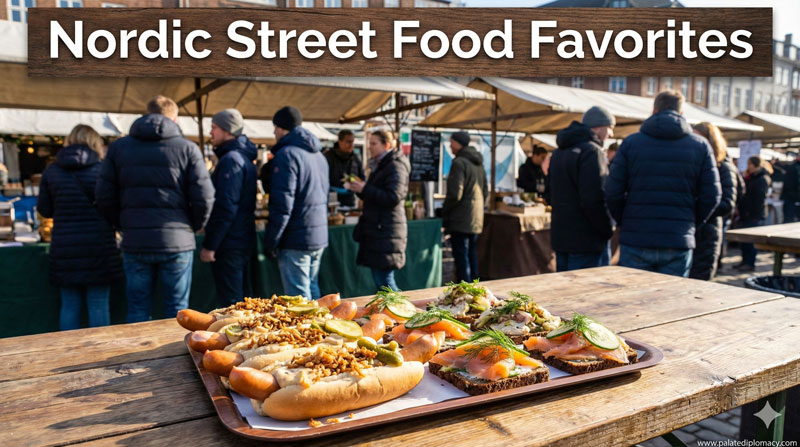
Next, the beauty of Nordic hot dogs lies in the ingredients and how they come together. A soft bun shelters the savory sausage, while toppings bring brightness and balance. Typical companions include mustard, onions (often fried for sweetness), and remoulade or a tangy sauce. Pickles or cucumber accents add a crisp note, and dill or herb sprinkles can echo local garden flavors. These elements are not random; they reflect regional preferences and seasonal produce. The result is a chorus of textures: the snap of the sausage, the tenderness of the bun, the creaminess of sauce, and the crunch of onions.
Regional Variations, Shared Love
Denmark often presents a pølse in a fresh bun with a glossy remoulade, fried onions, and pickled cucumber. Sweden adds a touch of ketchup and mustard, sometimes finishing with crispy onions. Norway often features a pølse in a lompe (a soft flatbread) with a bright array of condiments. Finland might showcase a nakki topped with mustard and relish, inviting a warm, comforting bite. Iceland broadens the scene with pylsur that arrive with raw onion, crispy fried onion, and a gentle drizzle of a sweet mustard sauce. Across these lands, the core idea remains the same: simple bread, a hearty sausage, and a set of toppings that lets each region tell its own flavor story. In this way, the hot dog becomes a flexible canvas for local taste and seasonal mood.
The Social Fabric of the Hot Dog
Moreover, the social dimension is central to its value. Nordic hot dogs appear at family picnics, seaside stalls in summer, and city street corners during festival days. They invite participation: children add sprinkles of onions; adults balance sauces to their liking. The ritual of building a hot dog creates a shared moment, where everyone contributes to the final bite. This is not just eating; it is a small communal act that strengthens everyday connections. In markets and kiosks, the scent of grilled sausages and the sight of bright toppings bring people together, fostering a sense of place and belonging.
Craft and Technique in Simple Form
Additionally, the craft behind the hot dog is notable. The sausage is chosen for a clean, robust flavor and a satisfying snap. The bun must be soft yet sturdy enough to hold toppings without tearing. Toppings are prepared with care: onions sliced thinly or fried until caramelized, sauces mixed to balance sweetness and tang, pickles sliced for brightness. The technique is accessible, yet when done well, it elevates a quick meal into a small culinary victory. The beauty lies in precision: warmth through the bun, contrast between textures, and the harmony of flavors at the moment of the first bite.
A Plate That Reflects Seasonal Rhythm
Seasonality plays a quiet but meaningful role. In summer, grilled sausages shine at beachside gatherings and outdoor meals. In colder months, a warm hot dog offers comfort and a sense of welcome. The dish mirrors Nordic rhythms: outdoor eating, social sampling, and the steady cadence of daily life. The hot dog adapts to the occasion, whether a casual lunch, a weekend outing, or a celebratory street fair. This adaptability is a key part of its culinary significance.
The Plate as a Cultural Canvas
The hot dog in Nordic cuisine is more than a fast option; it functions as a cultural canvas. It carries what people enjoy about their food: clarity of taste, a clean texture, and a friendly, inclusive format. The toppings provide a language of preference, allowing each person to express taste without ceremony. In this sense, the dish becomes a dependable language for sharing meals across generations. It also highlights the value placed on accessibility, where a satisfying meal is within reach for many families and neighborhoods.
The Slow, Steady Popularity Growth
Over time, Nordic hot dogs found steady popularity through everyday use and neighborhood pride. They fit snugly into the busy pace of modern life while preserving a sense of tradition. The dish also demonstrates how simple foods can gain significance when they connect with memory. A taste recalls summer stalls, family outings, or a quiet afternoon at a corner cafe. This memory-making quality is a core part of the culinary value of the hot dog in Nordic cuisine.
A Bridge Between Snack and Cuisine
In Nordic cooking, the hot dog sits at an interesting crossroads. It is a snack, yes, but it also acts as a bridge to more elaborate meals. Chefs and home cooks alike use it to teach technique: balancing sauces, layering textures, and recognizing how tiny choices influence the final bite. Restaurants may present the hot dog with refined toppings or regional twists, while home cooks may celebrate it as a reliable family staple. The dish thus serves as a reliable gateway to broader culinary experimentation and shared meals.
Sustainability, Accessibility, and Shared Joy
Sustainability and accessibility are integral to its appeal. The hot dog requires relatively few ingredients, reducing waste and simplifying sourcing. The result is a dish that can be prepared with pantry staples or locally produced goods. This practical flexibility resonates with many households and communities. When families gather to grill, celebrate, or simply share a quick lunch, the hot dog becomes a symbol of hospitality and everyday generosity.
A Narrative in Every Bite
Finally, the narrative behind Nordic hot dogs is one of place, practice, and patience. Each bite tells a tale of markets, kitchens, and gatherings where people come together. The dish invites quiet reflection on how food can reflect regional life: the lanes of a city, the scent of a seaside grill, the warmth of a family kitchen. It invites curiosity about the small choices that shape taste and memory.
Conclusion
In summary, How Nordic Hot Dogs Became Popular in Nordic Cuisine reveals a dish that is simple in form and rich in cultural meaning. Its value lies in How It blends accessibility with craft, and how it brings people together around a common, comforting flavor. The hot dog is a respectful participant in Nordic culinary life—an everyday treasure that invites appreciation for its texture, balance, and social role. By embracing this dish, we honor a shared culinary heritage that thrives in homes, streets, and festivals alike.