
Introduction
How Nordic Hot Dogs Became Popular in Nordic Cuisine is more than a snack story. It is a gentle portrait of everyday life, shared moments, and simple craft. The dish travels from a street corner to family tables, carrying flavors that feel familiar and welcoming. It shows how a humble format can carry meaning, season by season, in Nordic cooking.
A Nordic Staple: Accessibility and Daily Ritual
In Nordic cuisine, a hot dog is not only a meal; it is a small daily ritual. The wait at a busy vending stand, the aroma of roasted meat, and the sight of a warm bun create an inviting moment. The dish is designed for speed, warmth, and comfort. It invites people of all ages to pause, choose toppings, and enjoy a little moment of togetherness. This accessibility is a key part of its cultural value.
Regional Variations: Denmark, Sweden, Norway, Finland, and Iceland
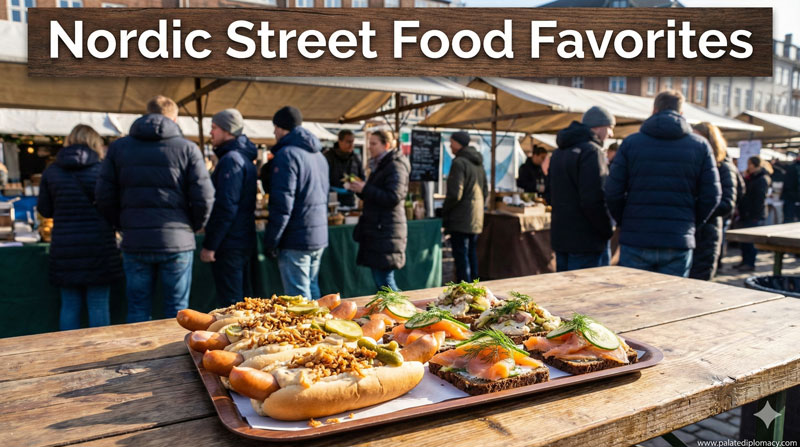
Each Nordic country adds its own voice to the hot dog. In Denmark, a pølse in brød often arrives with remoulade, crispy onions, pickles, mustard, and ketchup. In Sweden, the sausage meets onions, mustard, and sometimes lingonberry for a sweet-tart balance. Norway offers a straightforward combination of sauce, onions, and relish. Finland blends mustard, onions, and a touch of remoulade with crispness from the bun. Iceland features a pork-and-lamb blend with raw and fried onions, plus bold sauces. These regional touches show how a shared format can reflect local ingredients and tastes while staying recognizably the same dish.
The Sauce and Toppings: Flavor Architecture
The toppings form a clear flavor architecture. A bright mustard adds lift, while remoulade provides a creamy tang. Crispy onions bring texture and a toasty sweetness. Pickles or relish add a clean acidity. Lingonberry jam makes a rare, playful counterpoint that some regions embrace. Together, these elements create a balanced bite: savory, tangy, sweet, and crisp. The sauce and toppings are not afterthoughts; they are essential parts of the dish’s character and meaning.
The Craft Behind the Sausage and Bun
Quality matters. A well-made sausage with balanced fat and seasoning forms the Heart of the experience. The bun should be soft, slightly sweet, and able to hold the filling without collapsing. The moment the bun meets heat matters too—warming or toasting the bread enhances aroma and texture. This craft, practiced in markets and kitchens across the north, reveals care, consistency, and a respect for simple ingredients. It is a quiet celebration of technique that elevates everyday food.
A Social Favorite: Festivals, Markets, and Family Meals
Nordic hot dogs shine in social settings. At markets, they invite conversation about ingredients and local producers. At family meals, they become a shared, easy-to-prepare option that children and adults enjoy alike. Festivals and neighborhood gatherings often feature hot dog stands, turning a quick bite into a memory link. The dish’s warmth and versatility help it fit naturally into diverse moments of Nordic life.
Nordic Hot Dogs in Modern Cuisine: Gourmet Twists and Timeless Comfort
Modern Nordic chefs and home cooks alike experiment with the format. They introduce refined sausages, regional toppings, and seasonal accompaniments, while preserving the essence of the hot dog as a friendly, approachable dish. This balance between innovation and tradition keeps the dish relevant. It also highlights how a familiar staple can travel through contemporary kitchens without losing its everyday charm.
Conclusion
The Rise of Nordic hot dogs in Nordic cuisine reveals a quiet, enduring beauty. It honors practical creativity, regional flavors, and the joy of sharing a simple, well-made bite. The dish stands as a testament to how cultural value and culinary significance can grow from a humble format—welcoming, delicious, and deeply rooted in everyday life.