
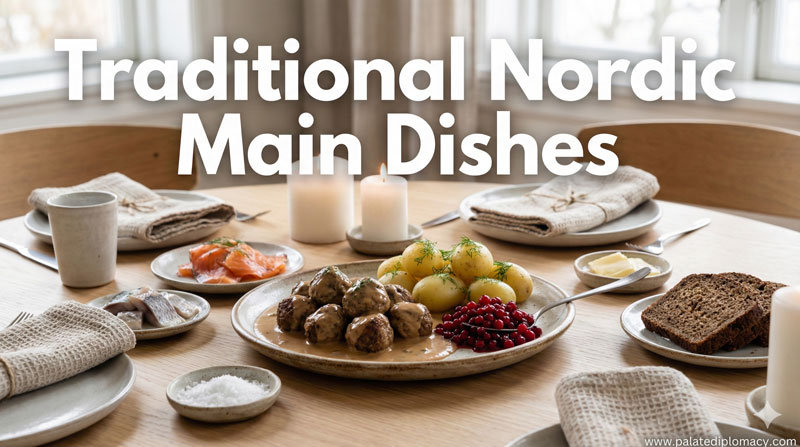
Why Meatballs Is One of the Most Loved Nordic Dishes
This post explores a dish that travels easily from table to table across Nordic homes. Why are meatballs so adored here? The answer lies in a blend of cultural value and culinary craft that has shaped everyday meals for generations. The dish feels familiar, comforting, and deeply practical, yet it also carries a quiet elegance through its balance of textures and flavors. In the Nordic kitchen, meatballs are more than food; they are a gentle invitation to pause, share, and savor the moment.
A Tradition of Home Cooking in Nordic Kitchens
In Nordic homes, meals are often built around seasonal ingredients found in the pantry and on the land. Meatballs fit this pattern perfectly. They use common ingredients—ground meat, bread or breadcrumbs, milk, eggs, onions, and a few spices—yet they yield a dish with depth and tenderness. Families pass the recipe from parent to child, each generation adding small touches that reflect local tastes. The result is a dish that feels both familiar and expressive, a reliable centerpiece for busy weeknights and festive gatherings alike.
Across the region, cooks adapt the recipe to local preferences. In Sweden, köttbullar are small and bright in texture, frequently served with creamy sauce, mashed potatoes, and a kiss of lingonberry jam. In Norway, kjøttkaker share the same spirit but often pair with potatoes and a smooth gravy. Denmark offers frikadeller with a similarly comforting profile, sometimes finished with herbs or pepper for a lighter bite. Finland presents its own take, where the meatballs mingle with potatoes and a rich sauce, echoing a shared love of hearty, well-seasoned meals. Icelandic kitchens sometimes bring a touch of pepper and fresh herb notes to similar meatball preparations. Through these regional echoes, the dish becomes a thread that connects homes across the Nordic landscape.
The Craft: Ingredients and Technique
The beauty of meatballs lies in their precise simplicity. A reliable mix brings together flavor, moisture, and form. Cooks blend minced meat with soaked breadcrumbs, a splash of milk, a finely chopped onion, and a binding egg. A pinch of salt, a touch of white pepper, and a hint of nutmeg or allspice often join the mix, depending on family tradition. The mixture rests briefly, then is rolled into small spheres and browned gently in a skillet. The next step can vary: some families proceed with a quick fry to seal in juices, while others simmer the meatballs in a creamy or onion-scented gravy until they are tender.
The choice of sauce matters as much as the meat itself. A light cream sauce or a mushroom-studded gravy is common, adding richness without overpowering the meat’s base flavors. The texture should be tender inside and lightly crisp on the outside. That contrast—soft center, delicate crust—elevates the dish beyond simply cooked meat. Then comes the pairing: potatoes in their many forms, whether mashed, boiled, or creamy, provide a comforting bed, while lingonberry jam or pickled cucumbers offer bright counterpoints that brighten the plate.
Regional Variations Across the Nordic Region
- Sweden: The classic köttbullar are small and plush, finished with a creamy gravy and a side of mashed potatoes. Lingonberries give a tart sparkle that completes the plate.
- Norway: Norwegian kjøttkaker lean toward a rich, smooth gravy, with potatoes and sometimes onions playing supporting roles. The texture remains gentle and satisfying.
- Denmark: Frikadeller are often leaner and can feature a bit more pepper or fresh herbs. They pair with boiled potatoes or rye bread and cucumber salad for a bright, everyday meal.
- Finland: Finnish lihapullat emphasize a hearty, comforting sauce and smooth, starchy companions like mashed potatoes. They reflect a fondness for generous, balanced plates.
- Iceland: In Iceland, meatballs align with a preference for clean, crisp flavors and simple, wholesome accompaniments that honor the meat and the sauce.
Across these variations, the core idea remains: small, carefully prepared meatballs that invite dipping, scooping, and savoring with the family or a small gathering. The shared method and common ingredients create a culinary rhythm that feels both regional and universal within the Nordic kitchen.
Serving Traditions and Shared Moments
Meatballs often appear at hands-on family moments, such as weekend dinners or casual gatherings with friends. They invite conversation and collaboration in the kitchen: chopping onions, shaping the meatballs, and ladling the sauce. The ritual of cooking together strengthens bonds and creates memories tied to aroma and taste. The dish also travels well to festivals, school lunches, and simple weeknight suppers, proving its versatility and enduring appeal.
When plated, meatballs tell a story of care. A warm plate of meatballs alongside potatoes and a bright, tangy accompaniment signals hospitality. The balance of creamy sauce, soft potatoes, and tart lingonberry jam creates a chorus of flavors that feels both comforting and refined. This combination highlights the Nordic love for harmony in meals: texture, temperature, and taste all work in concert.
Pairings, Textures, and Seasonal Freshness
- Textures: The outside may show a gentle crust, while the inside stays tender and juicy. The contrast is a hallmark of a well-made meatball.
- Sauces: Creamy gravies, mushroom-based additions, or simple onion gravy all suit the meat, letting the meat’s sweetness and spice shine through.
- Sides: Potatoes in their preferred form—mashed, boiled, or roasted—play a supporting role. Lingonberries or cucumber pickles bring a bright acidity that completes the plate.
- Seasonality: Local ingredients guide the flavor. Fresh onions, high-quality meat, and seasonal berries influence the overall character of the dish in any given year.
A Dish of Craft, Comfort, and Community
Meatballs illuminate how Nordic cooking values craftsmanship and everyday skill. The recipe rewards careful preparation: balance in the meat mixture, respect for moisture, and precise heat control during browning. At the same time, the dish is an invitation for warmth and hospitality. It lends itself to sharing, teaching, and expanding culinary curiosity across generations.
Modern kitchens also welcome new interpretations—vegetarian or plant-based meatballs, and creative twists on the sauce or side dishes. Yet even with adaptations, the essence remains intact: a simple idea executed with care, turning everyday ingredients into something soothing and memorable. The dish stands as a bridge between tradition and present-day cooking, celebrating the beauty of Nordic flavors in an approachable, unpretentious way.
Conclusion: The Enduring Allure of Nordic Meatballs
Why is meatballs one of the Most Loved Nordic dishes? Because it embodies balance, warmth, and accessibility. It is a culinary handshake across homes and generations, a dish that invites people to gather, share, and enjoy a well-made meal. The dish rewards patience and attention to detail, yet it remains wonderfully practical for daily life. In its many regional expressions, meatballs honor local tastes while showcasing a shared love of comfort, flavor, and community. That is the Heart of its enduring appeal in Nordic Food Culture.