
Why Meatballs Is One of the Most Loved Nordic Dishes
In Nordic kitchens, meatballs stand out as a cherished staple. They greet the family at the table and welcome guests with a warm, familiar aroma. This dish blends simple ingredients with careful technique, creating a harmony of texture and taste. The name itself signals a shared favorite across Nordic homes. It is easy to prepare in larger batches, and the act of cooking invites conversation and togetherness.
Craft and Craftsmanship in Every Bite
Meatballs emerge from a careful balance of meat, moisture, and binding. Ground pork and beef combine with breadcrumbs soaked in milk, a beaten egg, finely chopped onion, and a pinch of salt and pepper. Optional spices, such as a hint of allspice or white pepper, add subtle depth. The mixture rests briefly, then is shaped by hand for uniform bites. Searing in butter or oil caramelizes the surface, bringing a gentle crust. After browning, the meatballs often finish in a creamy sauce or a light gravy. Finally, they rest in a warm, comforting glaze that invites the palate to linger. The texture—soft inside with a delicate crust outside—defines the dish’s charm, and the aromas tell a story of careful preparation and welcome kitchens.
Regional Taste and Techniques
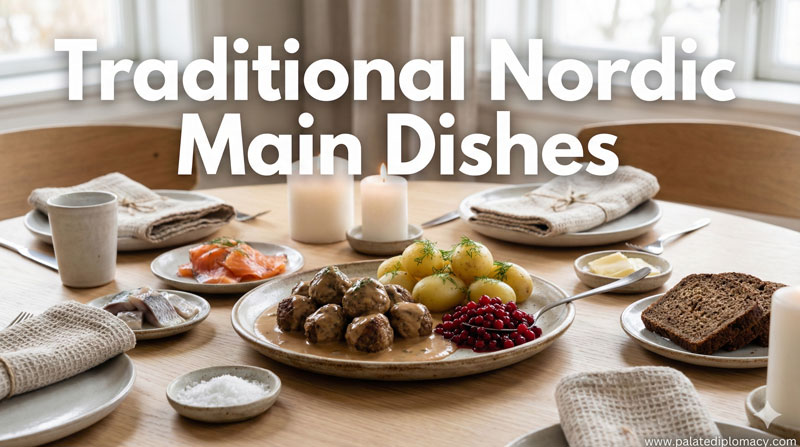
Across the Nordic region, meatballs gather regional twists while preserving a common appeal. In Sweden, köttbullar are frequently paired with a cream gravy, served alongside mashed or boiled potatoes and a dollop of lingonberry jam. In Denmark, meatballs appear in family meals as frikadeller, often enjoyed with potatoes and onions, with parsley adding a fresh note. In Norway, meatcakes share that same spirit, with tender grains of meat balanced by herbal accents. Across these variations, the core idea remains steady: simple ingredients elevated by technique, patience, and balanced seasoning. The result is a dish that feels both modest and refined, suitable for everyday dinners and special occasions alike.
Cultural Value at the Table
Meatballs embody a sense of belonging at the table. They bring people together through shared preparation, simple yet meaningful flavors, and generous portions. The act of shaping each meatball by hand invites care and mindfulness, turning cooking into a small ritual. Families pass down preferred ratios, herbs, and sauces, creating a living thread of taste that travels through generations. The dish also reflects seasonal choices—meat, onions, dairy, and berries join a cycle of harvests and home cooking. In this way, meatballs become more than a meal; they are a session of memory and belonging.
Pairings, Sauces, and Seasonal Joy
Serving meatballs centers on balance. A creamy, lightly thick sauce completes the savory base, while potatoes provide a comforting starch. Lingonberry jam or other berry preserves deliver a bright counterpoint that brightens the plate. Crisp bread or pickled cucumbers offer texture and contrast. This combination—savory meat, smooth sauce, starchy sides, and tart-sweet fruit—creates a harmonious eating experience. The dish adapts gracefully to seasons and menus, remaining welcoming no matter the occasion.
A Modern Nordic Table
Today, chefs and home cooks alike reimagine meatballs with fresh ingredients while preserving the dish’s spirit. Some use leaner meats or add mushrooms for depth. Others experiment with herb blends, whole-grain breadcrumbs, or dairy-free sauces to suit different diets. Yet the essence stays clear: meatballs invite cooperation at the stove, create warmth at the table, and celebrate everyday cooking as a craft. Plating can be simple or elegant, but the heart remains the same—a dish that invites eyes to brighten and conversations to flow.
Conclusion: A Timeless Nordic Favorite
Meatballs are more than a recipe; they are a social ritual and a culinary touchstone. Their beauty lies in how modest ingredients become comforting, memorable meals through thoughtful technique. The dish travels easily from family kitchens to tables with company and from everyday dinners to festive gatherings. In every bite, there is a nod to Nordic warmth, shared traditions, and the joy of gathering around good food.