
The Rise of a Simple Dish
Meatballs have a welcoming origin in Nordic kitchens. They began as humble, practical fare built from pantry staples. The dish grew through daily cooking, family tables, and the rhythm of the seasons. In time, meatballs became a symbol of comfort, skill, and shared meals. They invite us to pause, savor a bite, and celebrate careful preparation. This is not a tale of grand declarations, but of quiet craft and everyday warmth.
A Nordic Pantry, A Nordic Palette
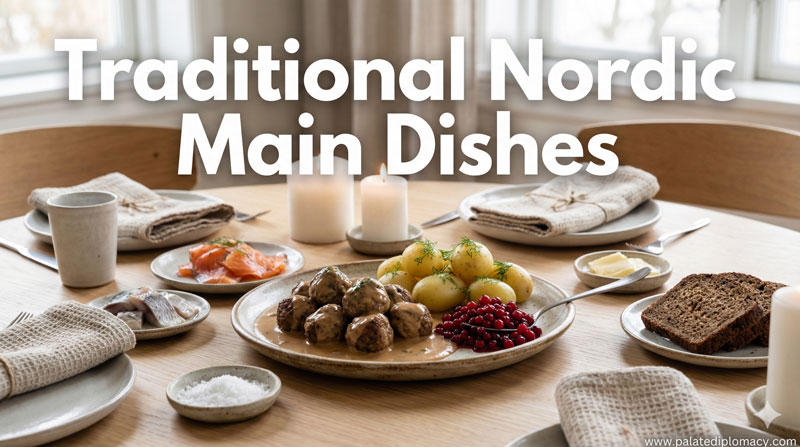
The core ingredients reflect the Nordic landscape. Ground pork and beef often mingle with onions, milk or cream, eggs, and a touch of breadcrumbs for binding. Spices like white pepper, a hint of nutmeg, or allspice join the mix. The result is a tender, flavorful bite that holds shape with a gentle press. Local produce shapes the plate as well. Potatoes, rye bread, and luminous lingonberries appear in accompaniment, sauce, or relish. The flavors feel familiar yet lively, equal parts home kitchen and seasonal garden.
Shape, Method, and Skill
A few simple steps carry the dish from bowl to table. The meat mixture is formed into small, rounded spheres. They are seasoned with care and given a light rest before cooking. Pan-frying creates a golden crust that seals in moisture. Some cooks finish with a creamy gravy, enriched stock, or a mild sauce. Others bake the meatballs for a lighter finish. Throughout, the technique highlights balance: tenderness inside, a gentle crust outside, and a sauce that ties the plate together. The method invites practice, but the reward remains accessible for cooks of all levels.
Pairings That Shine
Meatballs shine when paired with thoughtful sides. Creamy mashed potatoes or soft boiled potatoes provide a comforting bed. A spoon of lingonberry jam adds bright, tart contrast. Quick cucumber pickles introduce crispness. A savory gravy unites the plate with a smooth finish. Fresh herbs or a dash of pepper bring aroma and lift. Each pairing enhances the core bite of the meatball, creating a harmonious experience from first bite to last.
Regional Variations Within Nordic Cuisine
Across the Nordic region, small differences shape each version. Sweden leans toward a creamy, velvety sauce that laces with a touch of sweetness from the lingonberries. Norway often favors a hearty gravy and robust meat flavor, with a plumper texture. Denmark embraces a slightly crisper exterior and delicate seasoning, letting the meat’s character lead. Finland adds a touch of dairy richness and a soft, tender bite. In Iceland, similar preparations appear with local dairy notes and fresh herbs. Yet all share a common core: meat, binding, careful browning, and a sauce that invites spoonfuls of comfort.
Everyday Feasts and Festive Tables
Meatballs anchor daily meals and celebratory spreads alike. They appear in family dinners, school lunches, and late-afternoon gatherings with friends. The dish travels well from the stove to a warm plate at the table, inviting conversation and shared enjoyment. In homes, generations pass down recipes with notes on texture, seasoning, and sauce. In cafés and community kitchens, meatballs can be a quick, satisfying choice that still honors tradition. Across settings, they symbolize connection and care.
The Modern Plate: Innovation While Honoring Tradition
Today, chefs celebrate meatballs while keeping the essence intact. Modern twists include lighter sauces, plant-based blends, or gluten-free breadcrumbs, all while preserving flavor and texture. The dish adapts to seasonal ingredients, offering opportunities to explore new herbs or local produce. Yet the heart remains the same: a small ball of meat or alternative, cooked with patience, served with warmth, and enjoyed in good company. This balance of heritage and invention keeps the dish lively and relevant.
A Conclusion: The Cultural Heart of Nordic Comfort
Meatballs in Nordic Cuisine tell a story of craft, patience, and shared meals. They celebrate everyday skills—grinding, binding, browning, and saucing—done with care. They honor local ingredients and regional accents, while remaining approachable for home cooks. Above all, they remind us that food can bring people together, day after day. In every bite, the dish expresses the beauty of Nordic culinary tradition: simple ingredients, thoughtful technique, and a spirit of welcome.