
Why Meatballs Is One of the Most Loved Nordic Dishes
Meatballs hold a special place on Nordic tables. The dish speaks to everyday life and to shared meals. It feels warm, practical, and inviting. People come together around a plate, and the moment feels calm and friendly. This little ball of comfort shows how culture can be tasty and timeless at the same time.
A Dish Shaped by Nordic Tables
Meatballs are built from simple, good ingredients. Ground meat forms the base. Onions, milk-soaked bread or breadcrumbs, and a egg bring softness and balance. A touch of salt and pepper, sometimes a pinch of mild spice, rounds out the flavor. The method is gentle: mix just enough to hold shape, avoid overworking, and shape balls the size of walnuts or cherries. Then, they brown in a pan and finish in a warm sauce or broth. The result is tender meat with a silky exterior.
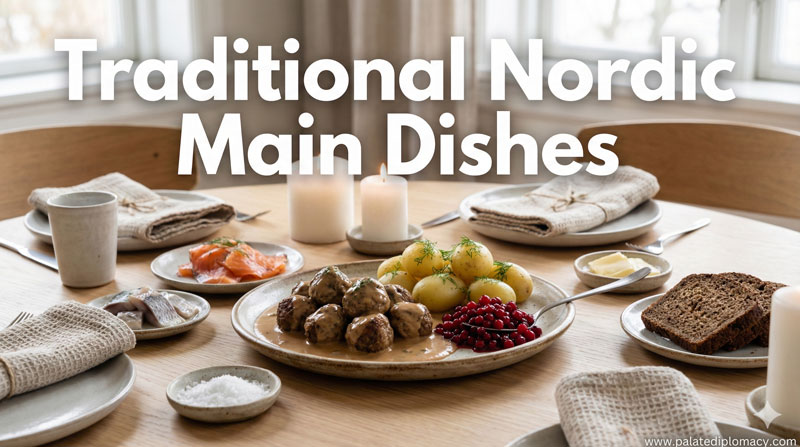
This dish shines because it works with what the table already holds. Potatoes, seasonal vegetables, and a creamy gravy set the meatballs in perfect harmony. Lingonberry jam or a tart berry sauce adds a bright counterpoint. In short, the flavors balance each other, and the plate feels complete without any single element shouting louder than the others.
Regional Threads: Swedish, Danish, Finnish, Norwegian Variations
Across the Nordic region, meatballs take on small, welcome differences that reflect local kitchens.
- Swedish köttbullar often feature a pork and beef blend. They commonly use breadcrumbs soaked in milk, a touch of allspice or white pepper, and a creamy gravy. They are usually plated with potatoes and lingonberries.
- Danish frikadeller tend to be a bit flatter and broader in shape. Onion is a clear star, and the mix leans toward a straightforward, hearty flavor. They pair nicely with potatoes and a light sauce or jus.
- Finnish lihapullat share the bread-and-egg technique, but aroma and texture lean toward a softer bite. They are often served with mashed potatoes and a rich, velvety sauce, sometimes with a hint of dill.
- Norwegian kjøttkaker emphasize a gentle spice and a comforting thickness in the sauce. They sit well with boiled potatoes, carrots, and a glossy pan gravy.
Despite these small distinctions, the core idea remains the same: tender meat formed into small rounds, cooked with care, and served with something creamy, starchy, and bright on the side. That shared approach helps knit the Nordic dining table into a familiar, welcoming scene.
The Craft: From Market to Table
The craft of making meatballs starts with choice and balance. Quality meat matters, but so does the mix. A small amount of fat adds richness. Onion lends sweetness and depth. Bread that has soaked in milk lightens the texture, so the ball stays tender after cooking. An egg binds everything, helping the meat hold its shape.
Next comes the technique. Mix gently and shape with care. Too much handling makes meat dense; gentle handling keeps it soft. Brown the meatballs slowly to build color and flavor. Then simmer them in a sauce or broth. This step lets the flavors mingle and the meat absorb moisture.
Finally, rest and serve. A moment of pause before the plate lets the aromas settle. Then the meatballs meet their companions—creamy gravy, potatoes, and a tart berry relish. The result is a dish that feels crafted, not rushed, and it honors the kitchen’s rhythm.
Savoring the Moment: How Meatballs Shape Gatherings
Meatballs invite togetherness. They appear in family meals, weekend lunches, and small celebrations. The aroma fills the home, guiding everyone to the table. Sharing the dish becomes a ritual that reinforces care and hospitality.
On the table, meatballs offer flexibility. They can be a hearty main course or part of a larger spread. Leftovers become a quick lunch or a new sauce for a future dinner. In any case, the dish respects the pace of daily life while offering a sense of nourishment and reassurance.
Modern Nordic Dining: A Timeless Favorite
Today, chefs keep the dish alive by honoring its roots and exploring new ideas. Local meats and seasonal produce bring freshness to traditional flavors. Some cooks experiment with herbs like dill or chives to brighten the gravy. Others explore lighter versions with leaner meat or plant-based ingredients that mirror the texture and comfort of the original.
Yet the essence remains: meatballs are a celebration of simple, thoughtful cooking. They show that a few well-chosen ingredients can create a dish with real character. In restaurants and at Home, the dish connects generations through taste, technique, and the joy of sharing a good meal.
A Gentle Conclusion
Why meatballs are among the Most Loved Nordic dishes is clear in both history and kitchen practice. The dish blends texture, flavor, and balance into a universal appeal. It honors family kitchens and public tables alike. It invites care in preparation and generosity in sharing. And it remains a comforting reminder that good food can be both humble and deeply meaningful. In the Nordic culinary story, meatballs stand as a warm invitation to pause, savor, and connect over a plate.