
Introduction
What Makes reindeer stew special in Nordic cooking? The dish gathers winter textures, quiet time, and shared meals into one pot. It invites warmth when days are short and cold. The meat is lean and deeply flavored, and the simmering process reveals a serene patience. This post shines a light on its cultural value and culinary significance. We will explore how the stew reflects the season, the landscape, and everyday life in Nordic communities.
The Dish and Its Core Flavors
Reindeer stew centers on a simple, hearty chorus of ingredients. The meat lends a clean, game-lean richness that becomes tender through slow cooking. Vegetables—onions, carrots, potatoes—join with mushrooms and herbs to build a comforting base. Juniper berries and bay leaves give a piney, woodland note that echoes northern forests. A splash of cream or sour cream rounds the dish, adding smooth richness without overwhelming the meat. Lingonberry sauce or a side of lingonberries can brighten the plate with a tart contrast. Together, these elements create a balance of savory depth, subtle sweetness, and bright counterpoints that sing in winter air.
Ingredients and Technique
A classic pot features reindeer meat, onions, carrots, potatoes, mushrooms, and a light stock. Seasoning often includes salt, pepper, bay leaves, and juniper berries, with a hint of thyme or allspice in some homes. The cooking method is simple: brown the meat for depth, then simmer slowly with vegetables until everything is tender. The key is gentle heat and time; patience yields a velvety broth and meat that pulls apart easily. A finishing swirl of cream or a dab of butter adds richness and shine. Some cooks thicken the stew with a tiny bit of flour or rye flour for body, while others keep the liquid lighter. Each family adds its own subtle touch, preserving a quiet kitchen tradition.
Regional Voices and Adaptations
Across Nordic regions, variations reflect local ingredients and tastes. In northern districts, juniper is especially prominent, and the stew often leans toward a deeper, woodland aroma. In some Finnish kitchens, lighter stocks and cream accents create a softer, sweeter edge. Swedish preparations may emphasize a slightly tangy finish with forest berries on the side. Norwegian versions can feature more root vegetables or a touch of barley in the broth. Regardless of small differences, the dish remains a unifier: it marks shared snow-season rituals and the joy of a slowly cooked meal that honors the land and its harvest.
Cultural Threads: Family, Seasonal Rhythm, and Storytelling
Reindeer stew is more than sustenance; it is a thread that ties family and season together. It is commonly prepared after a day of hard work, outdoor activity, or seasonal gatherings. The pot becomes a focal point where stories are shared while steam rises and aromas fill the room. The dish reinforces a rhythm: harvest, home, hearth. It invites slower meals in a fast world, inviting guests to sit, savor, and reflect on the day. In this way, the stew serves as a quiet cultural ritual, signaling care and hospitality.
Serving Traditions and Pairings
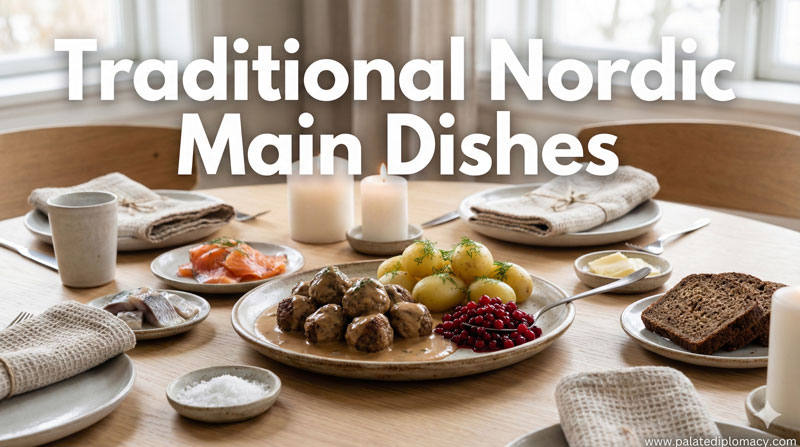
Tradition suggests simple, comforting accompaniments. A side of mashed potatoes or boiled potatoes lets the stew shine. Lingonberry sauce or a spoonful of lingonberry jam introduces a tart brightness. Fresh rye bread or flatbread provides texture for sopping up rich broths. A dollop of sour cream or a small amount of butter on top adds gentle creaminess. Coffee or a light herbal tea often rounds out the meal. The serving style tends to be modest and generous at once, inviting guests to share a warm moment around the table.
Sustainability and Craft
Reindeer herding and meat production in Nordic regions are deeply linked to the land. Many cooks value meat that comes from local, well-managed sources. Slow cooking respects the animal’s natural flavors and yields a dish that is both economical and satisfying. The stew showcases seasonal ingredients at their best—meat, roots, mushrooms, and berries—each picked or harvested with care. By honoring these practices, the dish stands as a testament to thoughtful sourcing, craft, and a respectful relationship with nature.
Conclusion
What makes reindeer stew so special in Nordic cooking is its blend of flavor, season, and shared memory. It turns a simple pot into a moment of gathering, a taste of northern forests, and a nod to family traditions. The dish remains approachable, yet richly expressive, inviting cooks and diners to pause, savor, and celebrate the beauty of Nordic culinary culture. In every simmer and every bite, it tells a quiet story of place, patience, and communal delight.