
Introduction
Discover the unique taste of Obwarzanek Krakowski in Poland. This small, ring-shaped bread embodies a rich blend of craft, aroma, and everyday joy. In Kraków and across Poland, it shines as a shared bite that brings people together. The flavor invites curiosity, while the craft reveals patient skill passed down through generations. With every bite, you taste a tradition that respects simple ingredients and attentive preparation. Obwarzanek Krakowski welcomes locals and visitors alike to pause, savor, and celebrate a beloved street-food staple.
What is Obwarzanek Krakowski?
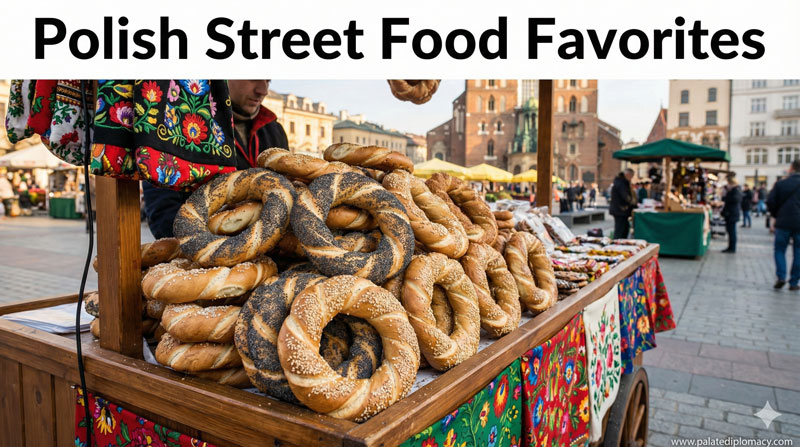
Obwarzanek Krakowski is a soft, chewy bread ring topped with sesame, poppy seeds, or coarse salt. Its name means “little ring,” reflecting its distinctive shape. Bakers shape the dough by hand, forming a continuous loop that carries a sense of balance and harmony. The bread is briefly boiled before baking, which gives it a glossy crust and a tender interior. This combination creates A Unique texture that is both comforting and lively. The result is a snack that feels timeless and contemporary at once, perfect for a morning bite or an afternoon pause.
History and Craft
The tradition of the obwarzanek goes back many centuries. Local bakers honed a method that blends dough work, boiling, and careful baking. The ring shape symbolizes unity and wholeness in everyday life. Each bakery adds its own touch, whether through seed choice, salt crystals, or a subtle aroma from the oven. The craft is passed down through families and small workshops, guiding new bakers to respect time-honored steps while inviting personal flair. The result is a pastry that remains faithful to its roots yet stays alive in today’s markets.
Ingredients and Flavor
The core dough is simple: flour, water, yeast, and salt. These humbly selected ingredients form a reliable base with a gentle rise and a soft crumb. Toppings distinguish each bite: sesame seeds offer warm nuttiness, poppy seeds add a delicate crunch, and a sprinkle of coarse salt heightens the flavor. The brief boil before baking helps create a slightly chewy bite and a glossy finish. The aroma from the oven blends toasty notes with a touch of sweetness, inviting you to pause and enjoy.
The Rolling Art: Techniques and Shape
Shape is central to the experience of Obwarzanek Krakowski. Bakers roll the dough into a long strand, twist it into a ring, and seal the ends to form a continuous loop. The moment of shaping carries a calm rhythm, almost meditative, that speaks to the care baked into every piece. A precise boil time and careful baking temper the crust to a gentle crisp while preserving a soft interior. Toppings are added just before baking, letting each seed or grain cling to the surface and shine in the heat.
Cultural Significance in Kraków
In Kraków, the obwarzanek is more than a snack; it is a cultural symbol of daily life. It appears in markets, street corners, and cozy bakeries, always ready to offer a warm moment. Locals often begin their day with a fresh obwarzanek, paired with coffee or tea, before stepping into the day’s activities. The bread appears at gatherings, fairs, and casual strolls, carrying stories of neighborhood corners and familiar faces. Its presence helps define the city’s flavor profile, a reminder that good food can be simple, social, and deeply local.
Serving Traditions and Pairings
Enjoy obwarzanek warm for a more pronounced aroma and tenderness. It pairs beautifully with a cup of coffee, a mug of tea, or a glass of cold milk. Some enjoy it with a dab of butter or a thin layer of cheese. The versatility makes it suitable for breakfast, a mid-mick break, or a light snack during a stroll. The topping you choose—sesame, poppy seeds, or salt—also guides how you pair it, as each topping releases different fragrant notes when warmed.
Regional Variations and Modern Takes
Across Kraków and Poland, bakers offer subtle variations. Sesame remains a classic favorite for its nutty richness. Poppy seeds bring a gentle, earthy bite, while coarse salt adds bright highlights. Some shops experiment with seed blends, caramelized sugar glazes, or cinnamon sprinkles for a sweeter version. Yet all versions honor the same core craft: a boiled, baked ring with careful attention to texture and aroma. These variations keep the tradition lively while preserving its recognizable essence.
How to Enjoy in Kraków
If you visit Kraków, seek out the obwarzanek at historic markets and in dedicated bakeries near the Old Town. The sight of a bubbling oven and steaming racks signals a moment of local hospitality. Choose a piece fresh from the oven and savor the contrast between the glossy crust and a soft interior. Walk a few steps and enjoy the first bite with a view of the town’s stone streets and lively chatter. This simple pleasure offers a portable glimpse into the city’s daily rhythm and warm welcome.
Tips for Making at Home
- Use a sturdy dough base: simple flour, water, yeast, and salt work best.
- Let the dough rise adequately to keep a soft crumb after baking.
- Shape into a ring with even thickness for uniform cooking.
- Briefly boil the formed rings to set the crust and gain chewiness.
- Bake until the surface is a light to medium golden brown.
- Finish with your chosen topping—sesame, poppy seeds, or salt—before baking.
- Serve warm for the best aroma and texture.
Conclusion
Obwarzanek Krakowski offers a gentle invitation to explore Poland’s culinary culture. Its round shape reflects a sense of continuity, its surface textures reveal a careful hand, and its aroma invites conversation. This bread is more than a snack; it is a thread that ties baker to buyer, street to home, and tradition to everyday life. If you seek a taste that is distinctly Kraków and warmly Polish, let the obwarzanek lead you there. It is a small bite with a big sense of place, crafted with care and shared with care.