
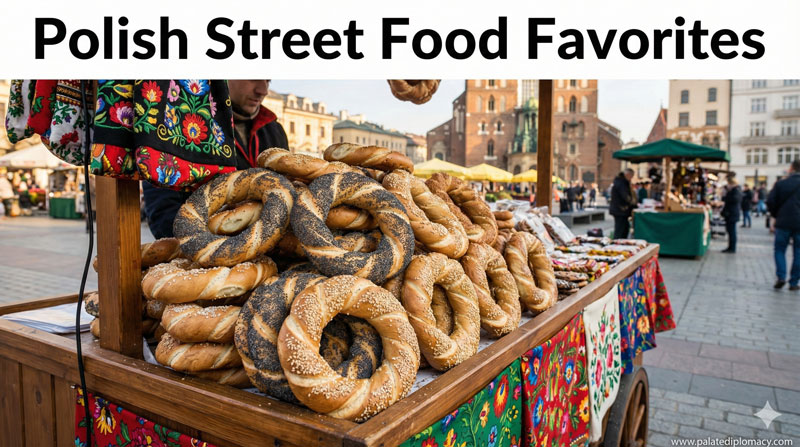
The Story Behind Obwarzanek Krakowski, a Polish Food Favorite
If you walk Krakow’s historic streets, you will notice a warm, inviting aroma. The Obwarzanek Krakowski is a round bread ring that has become a cherished part of Polish food culture. This post explores its cultural value and culinary significance, inviting you to savor a small circle that carries big meaning.
A Symbol of Krakow’s Everyday Life
The obwarzanek is more than a snack. It is a daily ritual in Krakow, a treat that accompanies conversations on the way to work, markets, or a family gathering. The round shape suggests continuity, friendship, and sharing. Local bakers prepare it with care, and families pass down the technique from one generation to the next. In shops and on street corners, the scent of fresh dough greets passersby, inviting them to pause, sample, and smile. This simple bread ring has become a gentle ambassador of the city’s warm hospitality.
The Craft Behind the Crust
The making of Obwarzanek Krakowski blends technique and patience. Bakers begin with a soft, yeasty dough and shape it into a ring. Then comes the key step: a brief boil in water, which gives the crust its characteristic sheen. After boiling, the rings are coated with toppings—sesame seeds, poppy seeds, or coarse salt—before they bake to a golden finish. The result is a crusty exterior with a soft, chewy interior. This balance makes obwarzanki versatile enough for a quick bite or a companion to a longer coffee break.
Flavor, Texture, and Culinary Significance
The flavor profile centers on simplicity. Mild sweetness from the dough mingles with a gentle toasty note from the crust. Sesame and poppy seeds add a nutty aroma and a subtle crunch. The texture alternates between a crisp outer layer and a tender, airy inside. In culinary terms, obwarzanek Krakowski stands out as a versatile, pantry-friendly food. It pairs well with butter, cheese, or a cup of warm tea. Its enduring appeal lies in how a few high-quality ingredients come together through a precise process to create something greater than the sum of its parts.
A Gentle Daily Ritual Across Generations
This bread invites routine without rigidity. In many homes, a warm obwarzanek appears on breakfast tables or afternoon spreads. It is a shared moment: a quick bite on the go, a small pause in a busy day, or a welcoming piece offered to a guest. The ritual is unspoken yet meaningful. Families celebrate the habit of buying from trusted bakers, exchanging stories about the market, and enjoying the comforting scent as a sign of care and community.
Preserving a Timeless Favorite
Keeping this tradition alive requires attention to craft and tradition. Bakers study texture and temperature, ensuring a consistent crust and soft center. Markets sustain the practice by inviting new bakers to learn the technique while honoring those who began the craft long ago. Festivals and local gatherings also showcase the obwarzanek, highlighting its role in daily life and its connection to the city’s culinary identity. In this way, the dish remains a living bridge between past and present.
How to Enjoy Obwarzanek Krakowski
To truly savor the experience, start with a fresh ring warm in your hands. Take a small bite to notice the contrast between crust and crumb. If you like, add a touch of butter or a simple cheese for a traditional pairing. Pair it with a hot beverage to elevate the aroma, especially on a cool day. Remember that the appeal lies in timing: a freshly baked portion offers the best texture and warmth, while a stouter version can accompany a leisurely lunch or a thoughtful snack.
A Friendly Invitation to Experience Polish Food Culture
Obwarzanek Krakowski is more than a tasty bite; it is a doorway into Polish food culture. It embodies craft, community, and care. Its simple ingredients and careful process remind us how everyday foods can carry deep cultural value. We celebrate the ring that connects baker to buyer, city to visitor, and tradition to modern life. In this light, the obwarzanek stands as a gentle, delicious ambassador of Krakow’s culinary soul.