
Introduction
The Story Behind Obwarzanek Krakowski, a Polish Food Favorite invites you into a dish that is much more than a snack. It is a warm, fragrant symbol of Kraków’s daily life and Polish culinary care. This bread shows how a simple treat can carry memory, craft, and community. You will feel the crumb, hear the crack of the crust, and sense the shared moments it frames. In this book of taste, Obwarzanek Krakowski stands as a bridge between past and present, inviting everyone to slow down and savor.
What is Obwarzanek Krakowski?
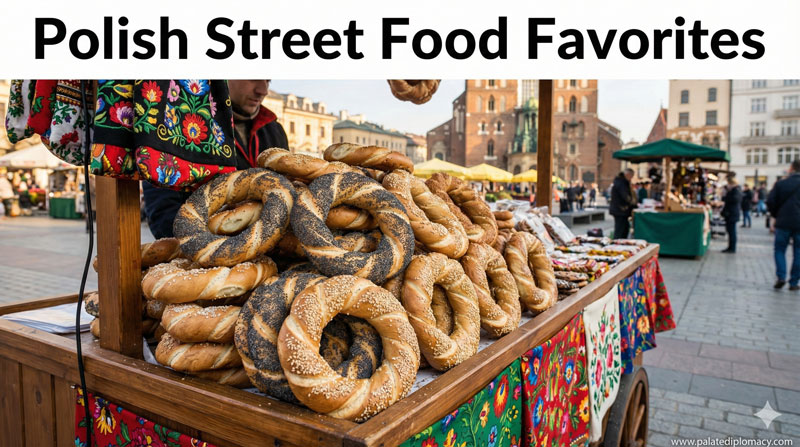
Obwarzanek Krakowski is a ring-shaped bread that feels soft inside and crisp on the outside. It is moist enough to bite with a gentle chew, and aromatic with seeds or salt. Common toppings include sesame, poppy seeds, or coarse salt. The dough is formed into a loop, then briefly boiled and finally baked to develop its signature texture. The result is a portable, delicious bite that fits perfectly with coffee, tea, or a stroll through a lively street or market. Its shape is iconic, a welcoming circle that suggests hospitality and shared taste.
History and tradition in Kraków
This pastry runs through Kraków’s long history as a staple in local ovens and markets. Bakers in the city crafted Obwarzanek Krakowski as a dependable, everyday bread for residents and visitors alike. The treat became wrapped in the rhythm of daily life—baked fresh in bakeries, carried through the streets by pairs of hands, and offered with a smile. Over time, the obwarzanek grew into a beloved emblem of Kraków’s warm culinary spirit. It embodies a sense of place, a taste that locals recognize instantly, no matter the season.
Ingredients and technique, simply explained
The heart of Obwarzanek Krakowski lies in its balanced dough and the boil-and-bake technique. The dough is made from good flour, water, yeast, and a pinch of salt. After shaping into a ring, the dough rests and rises. Then comes a short dip in simmering water, often with a touch of baking soda. This step gives the crust its gentle chew. Finally, the bread receives a coating of seeds or salt and is baked until golden. The result is a fragrant, tender crumb with a crisp exterior that holds the flavors of its toppings beautifully.
Cultural significance and daily life
Obwarzanek Krakowski is more than a snack; it is a companion to daily rituals. It appears at busy market days, café corners, and family gatherings. People pair it with coffee or tea and share it as a small, friendly treat during conversations. It also features in seasonal celebrations and festive moments, where its simple joy helps create a comfortable, hospitable atmosphere. The bread’s ring shape feels inclusive, inviting others to gather and savor together. In that sense, the obwarzanek contributes to the memorable texture of Polish food culture.
Variations and regional touches
You will find several tasteful variations of this classic. Sesame seeds offer a toasty, nutty aroma, while poppy seeds add a delicate, floral note. Some prefer a light dusting of coarse salt to heighten the bread’s savory edge. Regional bakers may introduce small, respectful tweaks to the topping mix or dough hydration, but the core idea remains the same: a round, hand-warmed bread that invites sharing. Each variation adds a personal touch while keeping the tradition intact.
How to enjoy Obwarzanek Krakowski
The best moment comes when the bread is fresh and just warm. Enjoy it plain to appreciate the yeast aroma and the crisp crust. Pair it with a strong coffee or a soft tea, allowing the flavors to mingle with the beverage. It also makes a nice companion to a cheese plate or light spreads. If you have leftovers, warm it gently to restore some of the crispness before savoring again. A simple, thoughtful approach makes the most of this humble treasure.
The craft as a living tradition
In today’s markets and bakeries, you can see Obwarzanek Krakowski made with the same care seen in the past. The craft remains a handshake between baker and guest: careful kneading, patient rising, precise boiling, and careful baking. This continuity links generations and keeps a sense of identity alive. The bread’s enduring popularity shows how a traditional food can stay fresh and relevant, while still honoring its roots.
Integrating into modern Polish cuisine
Obwarzanek Krakowski sits comfortably within Modern Polish food culture. It complements contemporary café life, street food scenes, and home kitchens alike. Its straightforward ingredients and clear flavors make it accessible to a wide audience. At the same time, it invites curiosity about traditional methods and local sourcing of ingredients. In this way, the obwarzanek both respects history and supports present-day culinary creativity.
A simple invitation to explore
If you have the chance to taste Obwarzanek Krakowski, take a moment to notice its personality. The aroma, texture, and seeds tell a story of careful preparation and community warmth. Let the bread guide you to appreciate the gentle artistry of Polish baking. It is a small, delicious invitation to learn about how a single item can reflect a region’s hospitality, craft, and shared joy.
Conclusion
The Story Behind Obwarzanek Krakowski, a Polish Food Favorite, closes with a clear note: this is more than nourishment. It is a living piece of Kraków’s cultural fabric, a culinary sign of welcome and friendship. Its craft links neighborhoods, families, and visitors in a shared moment of taste. In its ring, there is a circle of memory, craft, and cheerful companionship. When you bite into it, you taste not only flavor, but a long, friendly tradition that continues to enrich Polish food culture today.