
Welcome to Ofada Rice: A Dish with Deep Roots in Flavor and Family
Ofada rice is more than a meal. It is a celebration of local grains, careful preparation, and shared moments. This dish carries a gentle fragrance, a nutty depth, and a bright, lively sauce that together tell a story of hospitality. In kitchens and markets across southwestern Nigeria, Ofada rice invites cooks and guests to slow down, savor color, and honor tradition through every bite.
What Is Ofada Rice? A Local Treasure
Ofada rice refers to a type of unpolished, fragrant rice named for the Ofada community in Ogun State. Unlike the polished varieties that appear pale and uniform, Ofada rice wears a light brown coat of bran that adds texture and character. The grains are often short and round, yielding a hearty bite when cooked. This rice is treasured for its natural aroma, which grows warmer and more inviting as it cooks. By embracing the grain in its rustic form, cooks highlight a history of farming, harvest, and family kitchens where every grain matters.
The Signature Ofada Sauce: A Colorful Companion
A key pillar of the Ofada experience is the Ofada sauce. This peppery, earthy accompaniment blends green peppers, ripe tomatoes, and a chorus of seasonings. Palm oil brings a rich, reddish hue and a fruity depth, while locust beans (iru) contribute a subtle, savory backbone. Crayfish or small smoked fish add gentle ocean notes, and sometimes meat or stock rounds out the sauce’s body. The result is a vibrant, slightly thick sauce that clings to the rice and wakes the palate with warmth and brightness. The sauce is more than a topping; it shapes the meal’s character, balance, and memory.
Cultural Value: Shared Meals, Festivals, and Family
In many communities, Ofada rice is linked to togetherness. It shines on Sunday lunches, family gatherings, and celebratory meals where relatives blend their voices, stories, and laughter around the table. Markets display bags of Ofada rice alongside fresh peppers and palm oil, inviting neighbors to come together, trade tips, and swap ideas for perfect seasoning. The dish is also a thoughtful gift for guests during visits, marking a moment of welcome and friendship. Through these gatherings, the dish becomes a living tradition: a bridge between generations, a step toward unity, and a reminder of bright, shared meals.
Culinary Significance: Flavor, Texture, and Techniques
The beauty of Ofada rice lies in its texture and aroma. When cooked properly, the grains remain distinct and slightly chewy, giving a satisfying bite rather than a mushy finish. The bran coat delivers a nutty, earthy note that lightly toasts as it cooks, inviting curiosity about the grain’s origin. The Ofada sauce complements this texture with a smooth yet lively tang, peppery heat, and a creamy palm-oil finish. The pairing balances hearty grain with bright, savory sauce, producing a dish that feels both comforting and celebratory. Chefs often pay special attention to washing, soaking lightly, and controlling the water level to keep the grains intact and aromatic.
Cooking Essentials: Techniques That Honor the Grain
To honor Ofada rice at home, start with clean, cool water and a measured ratio that suits your preferred firmness. Rinse the rice until the water runs clear, then drain well. A brief parboil or a gentle soak can help loosen the bran and set the stage for separate grains. Cook the rice in a covered pot over medium heat, checking periodically to preserve the grains’ shape. Let the cooked rice rest a moment before fluffing with a fork. When ready, serve with warm Ofada sauce poured over the top or served on the side for dipping. The goal is interplay: each grain a little bite of history, each spoonful a note of brightness from the sauce.
Serving and Etiquette: How It Is Enjoyed
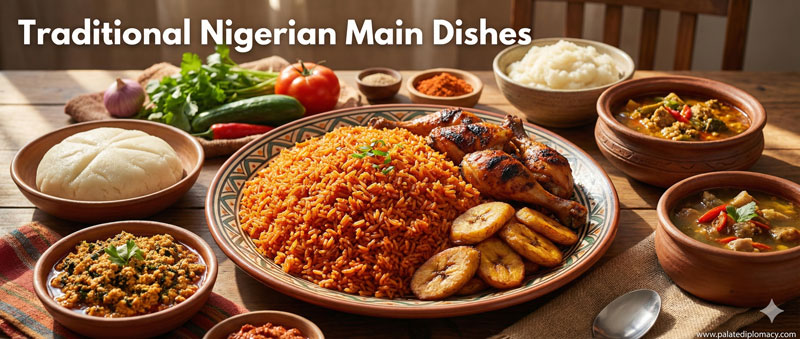
Ofada rice shines on a shared platter, a symbol of hospitality. It is commonly presented on large trays or plates, with Ofada sauce spooned over or arranged nearby so guests can add as they wish. Fresh vegetables or sides may accompany the dish, but the rice and sauce remain the focal point. Diners usually eat with calm, deliberate motions, allowing conversations to flow as freely as the flavors. The experience invites you to notice the aroma first, the color next, and the comforting warmth that follows in every bite.
Market Moments: Where to Find Ofada Rice and Its Feel
If you visit local markets, you’ll often spot amber sacs of Ofada rice next to colorful peppers and palm oil. The scent of roasted seeds or fried aroma from the sauce can greet you as you browse. In kitchens, cooks pick through the grains, selecting ones with a balanced color and a ready aroma. The dish travels from farm to table, moving through markets, home kitchens, and small eateries that celebrate local farming and cooking. This journey adds to the dish’s beloved status as a rooted, sensory experience that connects growers, cooks, and eaters.
A Simple Guide to Appreciating Ofada Rice at Home
- Choose quality Ofada rice and a fresh batch of peppers for a lively sauce.
- Rinse the rice well to remove any dusty bran, then cook with careful attention to water levels.
- Prepare the sauce with palm oil, iru, peppers, and your preferred protein or stock.
- Plate with the sauce warmed through and spooned over the rice, or offer it on the side for dipping.
- Enjoy slowly, letting the aromas lead you into conversation about family, harvest, and favorite memories.
A Gentle Closing: The Heart of Ofada
Ofada rice embodies a quiet, uplifting culture of cooking and sharing. Its nutty grains and vibrant sauce invite curiosity, invite conversation, and invite a slower, more mindful approach to meals. By honoring the grain, the sauce, and the people who bring them together, we celebrate a culinary heritage that feels timeless and full of warmth. If you seek a dish that speaks clearly of place, care, and community, Ofada rice welcomes you to the table with open arms and a generous serving of flavor.