
What Is Ofada Rice?
Ofada rice is a cherished thread in the fabric of Nigerian Food Culture. It comes from traditional varieties grown by smallholder farmers in the southwestern states, with Ogun State often highlighted in everyday talk. The rice is usually unpolished or only lightly processed, so the bran remains visible and the grains carry a warm, natural color. This keeps a gentle, earthy aroma that greets the senses before the first bite. In households across Nigeria, Ofada rice signals a meal rooted in homegrown farming, family gathering, and ordinary rituals of care. It is not just a staple; it is a doorway to shared moments around the table.
The Heart of Ofada: The Sauce
The true charm of Ofada rice emerges when it meets Ofada sauce. This sauce blends peppers, onions, and spices with the deep, roasted notes of palm oil. A key ingredient is iru (fermented locust beans), which adds a savory, nutty richness that lingers on the palate. Together, these elements create a glossy, vibrant sauce that coats the grains with warmth. The preparation invites patience and generosity, two qualities that echo through Nigerian kitchens. In each kitchen, cooks add their own touch, making the sauce a personal expression of place and memory.
A Dish of Hospitality
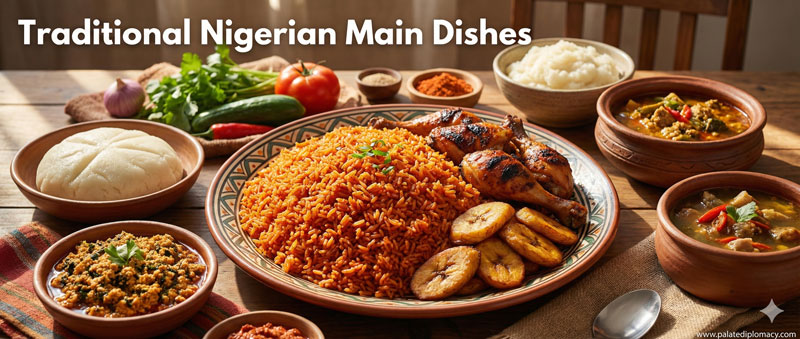
Ofada rice carries a strong message of welcome. When guests arrive, cooks often present a steaming dish of rice with generous portions of sauce. The setting itself matters: plates, bowls, and sometimes banana leaves frame the meal, signaling both respect and celebration. Sharing the first scoop becomes a ritual of care, inviting conversation and connection. In this way, Ofada rice transcends nourishment; it becomes a language of hospitality spoken in aroma, color, and flavor. The dish invites everyone at the table to savor not only taste but the spirit of togetherness.
Regional Voices and Farm to Table
Across Nigeria, Ofada rice embodies regional flavors and farming rhythms. Local harvests shape the rice’s texture and aroma, while households adapt the sauce with regional ingredients and family techniques. In markets and kitchens alike, you hear stories of cooperative farming, seasonal produce, and a deep trust in homegrown food. This farm-to-table thread matters because it ties nourishment to the land, the season, and the people who cultivate the crop. The result is a food culture that celebrates diversity while keeping a common core: respect for the grain, the spice, and the act of sharing.
Sensory Color and Craft
Visually, Ofada rice invites admiration. The rice’s brownish glow pairs with the deep, reddish-brown sauce, creating a dish that feels comforting and vibrant at once. The aroma blends earthiness with a bright pepper scent, while a hint of palm oil adds a velvety richness. The texture offers gentle chew and satisfying body, a reminder of the rice’s unpolished character. This interplay of color, scent, and bite showcases the beauty of Nigerian culinary craft and the pride that cooks take in honoring tradition through skillful preparation.
How to Celebrate Ofada Rice at Home
Bringing Ofada rice into the home kitchen is an invitation to quiet, meaningful cooking. Start with good-quality Ofada rice, rinse lightly, and prepare the sauce with peppers, onions, iru, and palm oil. The key is balance: the sauce should cling to the grains without overpowering them. Serve hot, with or without plantains, and invite loved ones to share in the moment. As you plate, notice how the meal reflects patience, care, and communal joy. In small kitchens and bustling homes alike, Ofada rice becomes a celebration of Nigerian food culture, one comforting bite at a time.
Embracing the Nigerian Food Tapestry
Ofada rice stands as a gentle ambassador of Nigeria’s culinary landscape. It honors farmers, families, and local markets. It celebrates aroma, texture, and communal eating. In every serving, you can glimpse a living tradition that prizes hospitality, seasonal produce, and the joy of sharing food with friends and neighbors. Exploring Ofada rice offers more than flavor—it offers a respectful, inviting window into the beauty and significance of Nigerian food culture.