
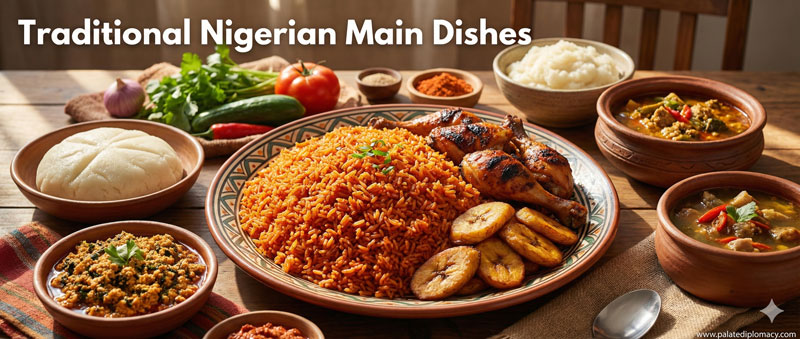
How Ofada Rice Reflects Nigerian Food Culture
Ofada rice stands as a vibrant thread in the fabric of Nigerian meals. It invites us to notice how taste, texture, and tradition come together at the table. This dish is more than food; it is a living portrait of Nigerian warmth, skill, and celebration. In this post, we explore its cultural value and culinary significance with care and clarity.
The Aroma, Texture, and Color
Ofada rice is known for its nutty aroma and chewy, satisfying texture. The grains carry a natural earthiness that stays with you long after the last bite. The unpolished surface gives the rice a warm brown hue that many find comforting and familiar. This appearance signals a connection to land and season. When cooked, the grains separate just enough to show personality, yet stay tender enough to feel hearty in each mouthful. The sensory trio—aroma, texture, and color—tells a story of patience, craft, and pride in simple ingredients.
The Ofada Sauce: A Partner in Flavor
No discussion of Ofada rice is complete without its companion sauce. Ofada sauce blends green and red peppers with onions, creating a bright, lively base. Locust beans, known as iru, add a deep, smoky undercurrent that anchors the dish. Palm oil provides a warm, aromatic richness that ties the components together. The sauce moves beyond heat; it carries balance, depth, and personality. Served generously over the rice, it invites shared tasting and communal delight. This pairing demonstrates how Nigerian cooks combine ingredients to create harmony rather than dominance.
Hospitality on the Plate
The way Ofada rice is shared at the table reflects a core value: hospitality. A meal centered on this dish often feels Like a welcoming ceremony. People gather, pass bowls, and savor with others. The act of serving and receiving becomes a quiet ritual of care. In many homes, the dish is placed at the center, and everyone helps themselves, signaling trust and togetherness. The practice of sharing a generous portion mirrors the Nigerian belief that food is a gift to be enjoyed together. This social rhythm makes Ofada not just a meal, but a daily expression of welcome.
Regional Voices and Everyday Meals
Ofada rice resonates across regions with subtle variations that highlight local flavors. In Lagos and nearby communities, cooks may emphasize the brightness of peppers and the depth of iru to create a sharper, more aromatic sauce. In other areas, cooks might introduce different meats or fish to reflect local tastes. Yet the core remains the same: a simple grain, a bold sauce, and a spirit of communal eating. These variations remind us that Nigerian Food Culture thrives on personalization within tradition. The dish adapts to family preferences while preserving its heart.
The Cultural Rhythm of Preparation
The preparation of Ofada rice signals attentiveness and care. Rinsing the rice to remove excess starch, then parboiling to protect the grain, mirrors a practical approach to cooking that respects texture and nutrition. The sauce is built in stages: sauté onions and peppers, fold in iru, and finish with palm oil for a glossy finish. This rhythm of steps reflects a culture that values method, patience, and pride in work well done. The result is a dish that feels crafted and intentional, a reminder that everyday meals can be meaningful rituals.
Regional Variations and Innovation
While the core idea stays constant, cooks continually innovate within the Ofada tradition. Some households experiment with different peppers to adjust heat and brightness. Others blend in local greens or add a touch of spice for a personal signature. These small changes show how a traditional dish can inspire creativity while preserving its essential identity. The beauty lies in the balance between honoring the old and embracing the new, a hallmark of Nigerian culinary culture.
A Taste of Nigerian Food Culture
Ofada rice is not merely a item on a plate; it is a lens into shared values. It celebrates simple ingredients, skilled technique, and the joy of gathering. The dish teaches respect for seasonal flavors and the artistry of turning everyday items into something memorable. It highlights how food anchors memory, fosters conversation, and strengthens community bonds. In this sense, Ofada rice serves as a living ambassador of Nigerian food culture.
How to Enjoy Ofada Rice Today
If you want to experience this culture at home, start with good rice and a confident sauce. Rinse the rice lightly, then parboil to achieve a tender, separate grain. Prepare a sauce with peppers, onions, iru, and palm oil. Taste and adjust heat, aroma, and salt to your preference. Serve the sauce over the rice and share with family or friends. A simple addition of grilled meat or fish can enrich the dish without shifting its core balance. The enjoyment comes from the care you bring to the kitchen and the warmth you offer to companions around the table.
Conclusion
Ofada rice reveals the beauty of Nigerian food culture through aroma, texture, and communal spirit. It invites people to slow down, savor simple ingredients, and celebrate togetherness. The dish stands as a testament to hospitality, regional character, and enduring culinary craft. By embracing Ofada rice, we honor a tradition that nourishes both body and community. This is not just a meal; it is a cultural invitation to connect, share, and appreciate the delicious rhythms of Nigeria.