
Everything You Need to Know About Ofada Rice
Ofada rice occupies a special seat in Nigerian cooking. It represents a vibrant link between the land, the people, and the daily table. This post explores its cultural value and culinary significance, inviting you to savor its beauty through the senses and the stories it carries.
What is Ofada Rice?
Ofada rice is a traditional Nigerian rice variety grown by farmers in the southwestern region. It is celebrated for its unpolished seed coat, which gives the grains a warm, earthy glow. The texture is slightly chewy, and the aroma hints at the fields where it grew. Because the husk is retained more than in polished rice, Ofada has a character all its own. It is commonly paired with a distinctive sauce known simply as Ofada sauce, creating a dish that feels both rustic and celebratory.
The Rice: Texture, Aroma, and Cooking
In the kitchen, Ofada rice invites gentle treatment. Rinse the grains to remove any surface dust, then soak briefly to relax the starch. Cook with enough water to let the grains swell and stay separate, not mushy. The result is a fluffy, distinct grain that carries the flavor of the accompanying sauce. Many cooks prefer a modest simmer, followed by a short resting period, so the rice finishes with a light touch of glossy warmth. The natural aroma of the grains—nutty and comforting—often grows as the dish comes together, enhancing the sense of place at the table.
The Ofada Sauce: A Bold Companion
No discussion of Ofada rice is complete without the sauce that accompanies it. Ofada sauce is a thick, fragrant blend built from peppers, onions, and a special ingredient called locust beans (ira). Palm oil lends a rich, bright hue and a deep, fruity note. The sauce may include meat or fish stock, giving it a satisfying depth, and it often features dried fish or shrimp for added savor. The result is a harmony of heat, sweetness, and earthiness that complements the grain’s natural bite. Together, Ofada rice and its sauce form a duo that many households return to for everyday meals and festive occasions alike.
Cultural Significance in Nigerian Cuisine
Ofada rice holds a treasured place in Nigerian Food Culture. It embodies the value of locality: farmers bring fresh grains from the fields, and families transform them into comforting meals. The dish is often shared at gatherings, celebrations, and market days, reinforcing community ties and everyday hospitality. The name Ofada itself signals a return to traditional farming and simple, honest ingredients. In homes and eateries, serving Ofada rice signals warmth and respect for flavor, season, and craft. The dish also showcases regional pride, inviting people to celebrate the bounty of the land through a meal that feels both familiar and special.
Variations and Serving Traditions
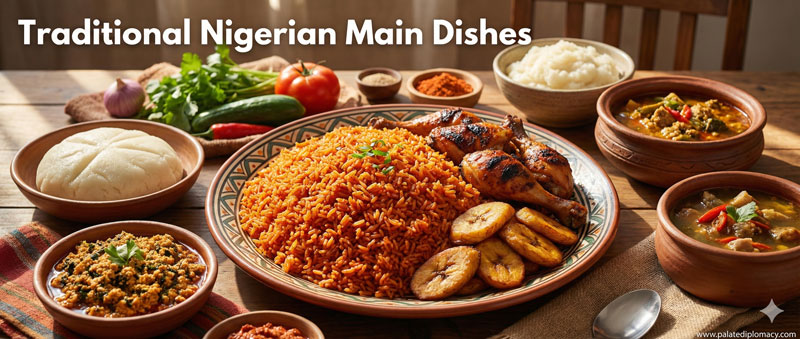
While the core pairing remains Ofada rice with Ofada sauce, countless households tailor the dish to their tastes. Some prefer a richer palm oil sauce with more iru for a deeper aroma; others balance heat with fresh vegetables or mild fish stock. The rice itself may be cooked with a touch of salt and bay leaf, or simply prepared to let the grain shine. Serving ideas abound: a plate of Ofada rice with slices of fried plantain, a portion of fish or chicken, and a side of leafy greens creates A Complete, colorful meal. Each variation honors the same cultural thread—the beauty of simple, well-made ingredients coming together with care.
Cooking Tips for Home Cooks
- Choose genuine Ofada rice when possible for the most authentic texture and flavor.
- Rinse until the water runs clear, then soak briefly to help the grains expand evenly.
- Use measured water and a gentle simmer to keep grains distinct.
- For Ofada sauce, soften the peppers and onions, then add iru and palm oil gradually to build depth.
- Finish with a quick taste check: balance heat, salt, and the savory notes from the iru.
- Pair with protein of your choice and a fresh green side to brighten the plate.
Presentation and Etiquette
Ofada rice shines when plated simply to highlight its color and texture. A warm, shallow bowl lets the grains surface with their natural gloss. A generous spoonful of sauce on top or to the side invites dipping and savoring. The dish lends itself to shared meals, where friends and family gather around a table and enjoy the comforting aroma together. In this setting, Ofada rice becomes more than food; it becomes a moment of connection and celebration.
Where to Enjoy Ofada Rice
Ofada rice is widely available in local markets, Nigerian restaurants, and specialty stores that carry African staples. If you cannot find it locally, seek online shops that stock unpolished rice varieties and look for Ofada sauce blends. While the exact flavors may vary by cook, the core idea remains the same: a fragrant grain paired with a bold, colorful sauce that honors tradition and seasonal ingredients.
In sum, Ofada rice invites you into a living tradition. It respects the land, elevates simple ingredients, and offers a dish that is both comforting and festive. By embracing its texture, aroma, and pairing, you enter a rich culinary conversation about culture, craft, and the joy of sharing a well-made meal.