
What Makes Ofada Rice So Special in Nigeria
Ofada rice stands as a bright thread in Nigeria’s rich culinary fabric. What Makes Ofada Rice So Special in Nigeria is not just the grain itself, but the stories, tastes, and gatherings it invites. This post celebrates its cultural value and culinary significance, inviting you to pause at the table and notice the quiet artistry of every bite and aroma.
The Heart of the Table: Cultural Value
Ofada rice is more than food; it is a gesture of welcome and togetherness. In homes and markets, the grain signals warmth, hospitality, and pride in local farming. It travels from farm to stove with a gentle, earthy aroma that speaks of soil, sun, and season. When Ofada rice lands on a plate, it says: we value craftsmanship, patience, and shared moments. Families gather around it during special meals, and friends seek it out for comforting, familiar flavors. In this way, Ofada rice acts as a bridge between generations, a simple dish with a deep sense of place.
The Sauce That Defines Ofada
No discussion of Ofada rice is complete without its companion: the Ofada sauce. This bright, peppery sauce carries green notes from peppers and fresh herbs, and a bold, earthy depth from locust beans (iru). Palm oil adds a warm glow and a silky texture, while onions, garlic, crayfish, and assorted meats enrich the palette. The sauce is both punchy and nuanced, warming the room as it steams. It is a perfect partner for the rice, inviting diners to savor contrasts—soft grains against a lively, aromatic sauce. Together, the dish becomes a celebration of contrast and harmony.
Grain and Texture: The Pride in Simplicity
Ofada rice is cherished for its natural character. The grains are typically less processed, yielding a wholesome, slightly nutty flavor. When cooked well, the rice remains fluffy and separate, with a gentle chew that rewards careful timing. The aroma is inviting—earthy, slightly sweet, and unmistakably authentic. This texture and aroma celebrate simplicity, letting the sauce and seasonings lead the experience rather than masking the grain.
A Ritual of Preparation
Preparation carries cultural nuance. Rinsing the rice to remove dust, soaking briefly, and cooking with quiet attention are acts of care. The sauce is often prepared in advance, allowing peppers, iru, and oils to mingle. As the two elements come together, kitchens fill with fragrance: a chorus of peppers, palm oil, and spice. The moment of serving—gently ladling the sauce over the rice, presenting it on a clean platter—becomes a ritual of hospitality. The ritual is not mechanical; it is a mindful practice that honors the people at the table.
Visual Appeal: Color and Aroma
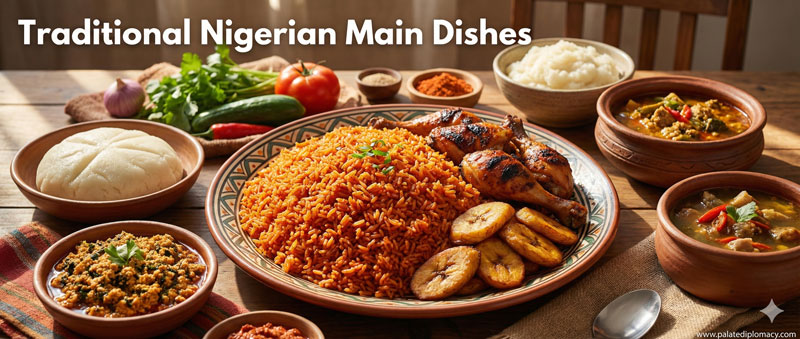
The presentation of Ofada rice delights the eye as much as the palate. The rice’s warm, natural color pairs with the emerald sheen of the green-tlecked sauce and the golden gloss of palm oil. The aroma carries a lively freshness, with peppery brightness and a soft, comforting background from iru. The colors and scents together tell a story of care, craft, and regional identity. In a single plate, you glimpse a culture that values beauty in everyday meals.
The Social Table: Shared Meals
This dish shines in social settings. It is commonly shared among family and friends, turning meals into conversations and celebrations. The act of eating together—passing bowls, offering seconds, and complimenting the cook—strengthens bonds and creates memories. Ofada rice is not eaten in isolation; it invites participation, storytelling, and gratitude. In this way, the dish nurtures a sense of community and belonging.
Regional Heartbeat: Yoruba Kitchens
Ofada rice is deeply rooted in the Yoruba-speaking regions of southwestern Nigeria. Local farms, markets, and small eateries keep the tradition alive, with cooks bringing unique touches to the sauce and serving style. While the core elements remain constant—a fragrant grain paired with a vibrant sauce—the regional flavors offer small variations that reflect local tastes, harvests, and preferences. This regional heartbeat enriches the national tapestry of Nigerian cuisine, highlighting how a single dish can carry multiple shades of meaning across places.
Serving and Pairing: Right Companions
Ofada rice pairs beautifully with a variety of accompaniments. Beyond the iconic Ofada sauce, you might find roasted or fried meats, fish, or plantains that balance heat and richness. A light salad or sautéed greens can brighten the plate, providing contrast to the sauce’s intensity. The dish invites experimentation within tradition: you can tailor the meat and spice levels to suit the season, occasion, or guest preferences, while preserving the dish’s essential character.
Modern Takes: From Home to Eateries
Today, chefs and home cooks alike explore modern takes on Ofada rice without losing its essence. Some prepare the rice with carefully measured rinses to preserve its natural texture, while others experiment with pepper blends, herb accents, or alternative sources of fat to deliver new dimensions of flavor. Yet every version stays anchored in the dish’s cultural comfort: a warm plate that invites conversation, respect, and delight. The familiar aroma still greets diners, signaling a connection to tradition even as new ideas arrive at the table.
Preservation and Seasonality
Ofada rice is tied to harvests and local farming rhythms. When available, fresh batches carry the strongest aroma and best texture. In times of abundant harvest, markets fill with vibrant grains that perform beautifully in home kitchens and restaurants alike. This seasonal pulse adds another layer to its cultural value: a reminder that taste is linked to time, soil, and care from farmer to cook to eater.
Conclusion: A Quiet Celebration on Every Plate
What Makes Ofada Rice So Special in Nigeria is not only its distinctive grain and spicy sauce. It is the way the dish gathers people—families, friends, neighbors—around a shared table. It is the humility of a simple, well-prepared meal that honors local farms, traditional methods, and a community’s love of food. As you savor the soft grain and the lively sauce, you taste a tradition that is inviting, respectful, and deeply joyful. Ofada rice, in its quiet grandeur, remains a beloved ambassador of Nigerian Food Culture—an everyday feast that speaks of home, hospitality, and the beauty of well-crafted flavor.