
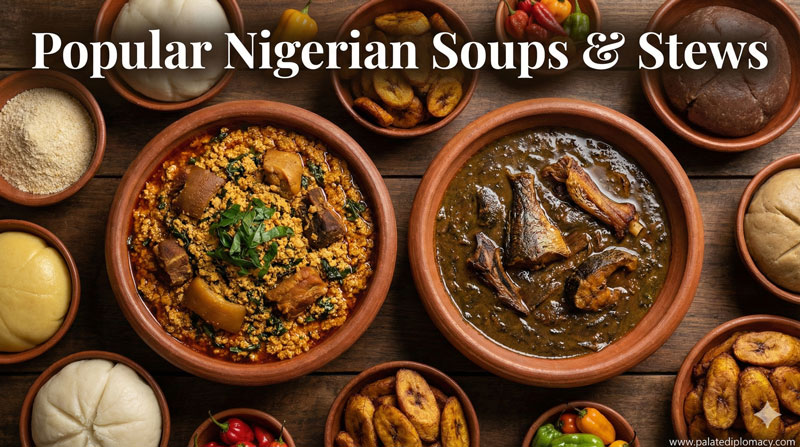
Discovering Ogbono Soup: An Invitation to Flavor and Culture
Ogbono soup welcomes you to a table where aroma, texture, and warmth come together. This dish centers on the bold, nutty character of ground ogbono seeds. It is a beloved staple in many West African kitchens, especially in Nigerian households. The soup shines as a bridge between everyday meals and special gatherings. Its presence at the table signals care, hospitality, and shared moments.
The Seed That Sparks Flavor
Ogbono seeds come from the wild mango tree, a tree cherished for its resilience and generosity. When ground, the seeds release natural starches that help the broth thicken in a silky, slightly mucilaginous way. The flavor blends earthiness with a gentle nuttiness, complemented by peppers and aromatics. The seeds play the lead role, while other ingredients layer depth and brightness. This balance makes the soup feel both comforting and exciting to the palate.
Texture and Technique: How the Dish Comes Together
Chefs and home cooks approach ogbono with focus and patience. They begin with a fragrant base of onions, peppers, and seasonings. Then they whisk in the ground ogbono to create a smooth, cohesive paste. Simmering allows the paste to release its mucilage and mingle with stock or broth. Palm oil often enriches the color and richness, while protein adds heartiness. The technique rewards steady heat and careful stirring, resulting in a bowl that glides across the tongue.
Core Ingredients and Their Roles
- Ogbono seeds: the backbone, delivering thickness, body, and a distinctive flavor.
- Palm oil: adds depth, color, and a gentle sweetness.
- Proteins: beef, goat, chicken, or fish (such as stockfish) provide savor and texture.
- Aromatics: onions, peppers, garlic, and spices lift the dish with brightness.
- Seasonings: crayfish or dried fish, salt, and bouillon deepen the taste.
- Optional accents: locust beans (iru) or spinach can rings in extra layers of fragrance.
Each component matters. The seeds shape the texture; the oil and seasonings shape the aroma and savor; the proteins furnish substance for a satisfying meal.
Regional Variations: The Dish in Different Kitchens
Across Yoruba, Igbo, Efik, and other Nigerian culinary traditions, ogbono soup adapts to local tastes. Some kitchens prefer a thicker, more velvety finish, while others favor a lighter, more broth-forward profile. Proteins and fish choices vary with availability and family preference. Serving traditions also differ: many households pair ogbono with fufu, pounded yam, or garri. These pairings create A Complete dining experience that honors regional customs and shared techniques.
Serving and Traditions: How Ogbono Shapes Gatherings
Ogbono soup is more than a meal; it anchors social moments. Families often prepare it for weekend gatherings, festive occasions, and comforting suppers after a long day. The act of sharing a steaming bowl reinforces hospitality and connection. The aroma invites conversation, while the meal invites participation—stirring, tasting, and savoring together. It is a dish that invites conversation as much as it invites appetite.
Tips for Home Cooks: Elevating Your Ogbono
- Use fresh, well-ground ogbono for The Best texture and aroma.
- Toast onions and peppers lightly to awaken their flavors before adding liquids.
- Stir steadily after adding the ogbono paste to prevent lumps and encourage a smooth finish.
- Balance thickness by adjusting the amount of water or stock; simmer longer for a silkier result.
- Choose your proteins according to preference, then adjust seasoning to taste.
- Finish with a quick taste test to ensure the dish feels bright and cohesive.
A Gentle Celebration of Food Culture
Ogbono soup stands as a vibrant example of how flavor, technique, and gathering ideas intertwine. It celebrates local ingredients, skilled preparation, and the joy of sharing a meal. The dish invites curiosity, respect for tradition, and a willingness to explore its rich textures. By savoring ogbono, you glimpse a culture that values generosity, family, and the beauty of well-crafted food.
Conclusion: Welcoming the Bold Flavors
In every bowl of ogbono soup, you taste more than nourishment—you taste a story of community and craft. The bold flavors come from thoughtful ingredients, careful technique, and a spirit of hospitality that welcomes all. Whether enjoyed with fufu or pounded yam, ogbono soup offers a memorable, inviting experience that honors Food Culture with warmth and respect.