
The Story Behind Ogbono Soup: A Nigerian Favorite
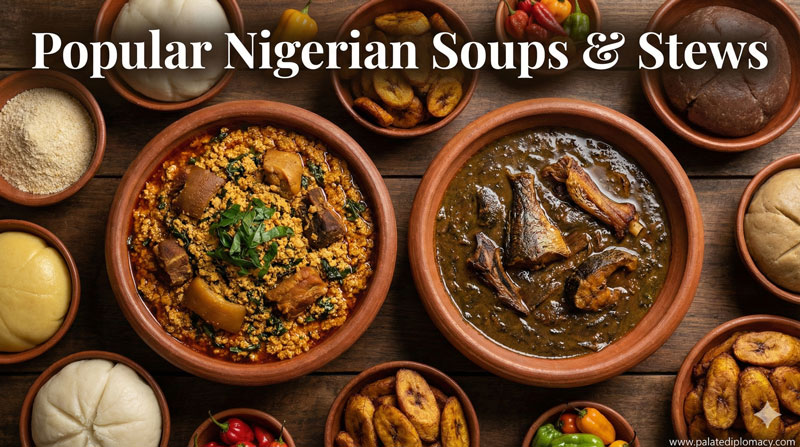
Ogbono soup stands out as a warm, welcoming dish in Nigerian kitchens. It begins with ogbono seeds, also known as bush mango, ground into a fine meal. The seeds contribute a silky, slightly slimy texture that many enjoy. Families pass down their versions from one generation to the next. The soup carries the rhythm of everyday life—market days, family meals, and late-afternoon gatherings. Its aroma invites conversation and shared spoons. Ogbono soup is more than sustenance; it is a thread that links cooks, guests, and memories.
A Dish Across Nigerian Kitchens
This soup travels through many Nigerian communities, each with its own touch. In Igbo homes, it often blends with leafy greens and hearty cuts of meat. Yoruba households may include fish or different seasonings that lift the flavor. Across regions, the core idea remains the same: a nourishing, flavorful soup that welcomes others to the table. The dish adapts with the season and the ingredients at hand, yet its essence stays constant. That adaptability is part of its charm, a testament to shared Food Culture and attentive home cooking.
The Signature Texture and Flavors
The Heart of ogbono soup is the ogbono seed paste. When blended, it thickens the soup and gives a unique mouthfeel—rich, smooth, and gently slimy. Palm oil adds color and a warm, fruity note. Meat, fish, or dried fish supply depth, while stock and seasonings deepen the savor. Small additions, like crayfish or locally grown spices, provide a subtle lift. The result is a bold, comforting taste that lingers in memory and invites another taste.
Cooking Traditions: From Seed to Spoon
Crafting ogbono soup honors both technique and patience. Ground ogbono seeds are blended with water to create a paste. The paste is stirred into a simmering pot with palm oil, meat or fish, and stock. It thickens as it cooks, and greens are added toward the end for freshness and balance. This sequence—seed paste, fat warmth, simmering depth, and bright greens—defines the dish. Each household brings its own timing and tweaks, reflecting care and pride in everyday cooking.
Pairings, Serving, and Everyday Moments
Ogbono soup is traditionally enjoyed with a starchy accompaniment. Pounded yam, fufu, tuwo, or garri are common partners. The combination makes each mouthful satisfying and complete. Serving is a moment of welcome: a pot of soup at the center, bowls ready, and a circle of family or friends nearby. The dish shines in everyday meals and in gatherings, where sharing food strengthens bonds and creates cherished rituals.
A Dish for Celebration and Daily Joy
This soup has a place in both ordinary days and festive occasions. It symbolizes generosity and hospitality, signaling that guests are valued. The care put into simmering, seasoning, and presenting the dish reflects respect for those who share the meal. Its beauty lies in its simplicity and its ability to bring people together around a common plate. Ogbono soup continues to grow as a favorite because it respects tradition while inviting new flavors and ideas to the table.
The Enduring Love for Ogbono
Ogbono soup embodies the heart of Nigerian culinary culture: warmth, welcome, and careful craft. It tells stories of family kitchens, market stalls, and friendships built over a shared spoon. Its appeal rests in texture, aroma, and the joy of gathering to eat. As it travels from pot to plate, the dish preserves a sense of place and a spirit of togetherness that resonates with lovers of good food everywhere.