
The Story Behind Ogbono Soup, a Nigerian Food Favorite
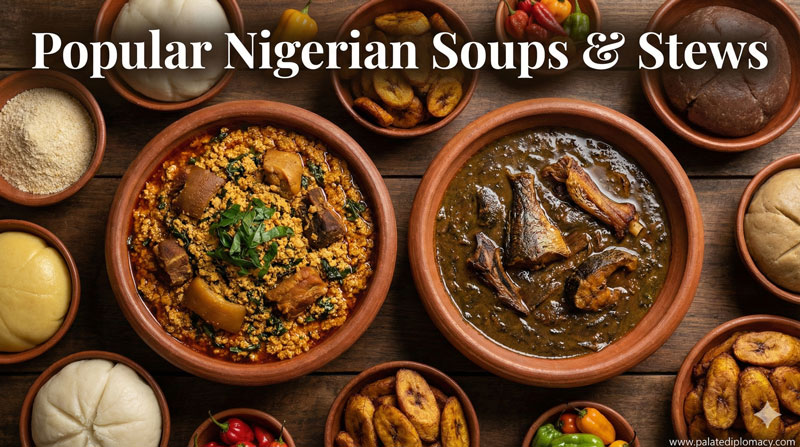
Ogbono soup stands out as a warm, welcoming dish in Nigerian kitchens. It uses ground ogbono seeds to create a smooth, slightly mucilaginous texture that lovers describe as comforting and earthy. People serve it with fufu, pounded yam, or garri, letting the soup’s rich depth carry every bite. Across Nigeria, families gather around the pot, sharing aroma, laughter, and conversation. This dish is more than sustenance; it is a fragrant thread that connects meals with memory and hospitality.
A Dish Rooted in Flavor and Family
From the busy markets to the home stove, ogbono carries a family’s touch. Cooks take pride in grinding the seeds and balancing heat, fat, and salt. Patience matters, because the soup thickens as it simmers. Elders often offer small tips on timing and texture, and young cooks learn by watching the gleam of the oil and the smoothness of the paste. The result is a pot that invites sampling, then sharing, then more tasting. In this way, ogbono becomes a kinship dish, signaling welcome and togetherness.
The Key Ingredients and Their Roles
The backbone of ogbono soup is the ogbono seed itself. Ground into a paste, it thickens the broth and provides a nutty, slightly sweet note. Palm oil adds color, aroma, and a gentle depth. Meat is common—beef, goat, or chicken—along with fish or stockfish for a savory backbone. Crayfish adds a subtle seafood brightness. Onion builds a gentle sweetness, while seasoning brings balance. Finally, leafy greens such as ugwu (pumpkin leaves) or spinach enrich the pot and brighten the final bite. Some cooks also stir in okra or substitute different greens, depending on preference. The result is a soup that speaks with a masterful, layered voice.
The Making: Technique That Brings Texture
First, grind the ogbono seeds into a fine paste. Next, whisk the paste with a little water to loosen it. Then heat palm oil in a sturdy pot and sauté onion briefly. Add meat and fish, searing them to seal flavor. Pour in broth or water, and bring to a simmer. Stir in the ogbono paste gradually to prevent clumps. Maintain a gentle simmer, letting the paste release its body. Add crayfish and seasonings, and cook until the meat is tender. Finally, fold in greens just before serving so they stay bright and fresh. The texture should feel silky yet substantial, a hallmark of good ogbono.
Regional Love: Variations Across Nigeria
Every region adds its own signature touch. In some homes, okra joins the pot for a mild, slippery contrast. In others, palm oil is poured in with a careful eye to achieve a rich, glossy sheen. The choice of greens varies by season and family preference, with ugwu, spinach, or a blend of leafy greens appearing at the table. Proteins shift as well: more fish in lighter meals, richer meats for feasts, and even dried fish for a salt-kissed finish. These variations showcase the dish’s versatility while preserving its core identity: a hearty, flavorful soup built on ogbono seeds.
Cultural Significance at the Table
Ogbono soup has a gentle, daily-hero quality. It appears in home kitchens, in neighborhood eateries, and at family celebrations. The aroma announces comfort, and the first taste confirms care. The dish invites conversation, with friends and family sharing in the process of eating together. It also honors skill and memory—the texture, color, and balance reflect the cook’s attention and the family’s tradition. In this sense, ogbono becomes a cultural ambassador, quietly expressing hospitality and the joy of food deeply rooted in everyday life.
Serving Traditions and Shared Moments
Serving ogbono is a social act as much as a culinary one. Diners scoop the thick soup with fufu, pounded yam, or garri, dipping into the bowl with a steady rhythm. The act of gathering around a shared pot reinforces community and belonging. Some households prefer a modest, quiet meal, while others celebrate with extra bowls and stories. In any setting, the dish promotes eye contact, conversation, and warmth. Each spoonful carries years of family recipes and the present moment’s savor.
A Modern Kitchen Keeps the Tradition Alive
Today, home cooks and chefs keep ogbono vibrant by blending tradition with convenience. Ready-to-grind ogbono blends speed up prep without sacrificing flavor. Modern stoves and stockpots help control simmering to perfection. Yet the core remains simple: blend the seeds, simmer with care, and honor the proteins and greens that give depth. New twists may appear, but the inviting aroma and silky texture stay central. This continuity allows more people to enjoy ogbono while preserving its essential character.
A Welcome Bite: The Comfort of Ogbono
In every bowl, ogbono offers a welcome. The senses respond to the scent of palms and the smooth coat around each bite. The dish pairs well with a soft, starchy foundation and a light squeeze of pepper for brightness. It feels generous and generous in return: a dish meant for sharing, for teaching, and for savoring. The beauty of ogbono lies in How It bridges generations through taste, texture, and the rhythm of daily life.
Concluding Thoughts: A Taste of Nigeria’s Kitchen
Ogbono soup embodies the culinary spirit of Nigeria: practical, warm, and full of character. Its thick, glossy body carries the flavor of seeds, oil, and seasonings that have been refined over time. The soup’s appeal rests in its ability to transform simple ingredients into something celebratory and comforting. As a cornerstone of meals, ogbono reminds us that food can be a quiet celebration of family, community, and place. In every pot, The Story continues—inviting, respectful, and delicious.