
The Story Behind Ogbono Soup, a Nigerian Food Favorite
Ogbono soup holds a special place in Nigerian dining rooms. It is a dish that many families prepare with pride and care. The moment the palm oil swirls with ground ogbono seeds, the kitchen fills with a warm, inviting aroma. This soup is not only about flavor; it is about sharing, generosity, and connection. Across communities, cooks honor the seeds, the stock, and the greens that come together to form a comforting bowl. The dish is a symbol of hospitality, a welcome on a busy day, and a throughline in many celebrations. The Story of Ogbono soup is a story of patience, skill, and the joy of gathering around a pot.
The Seed: Ogbono and Its Everyday Magic
Ogbono seeds come from the wild bush mango tree. Farmers harvest, dry, and grind them into a fine meal. When the seeds meet hot liquid, they release a unique mucilaginous body that thickens the soup. This texture is embraced by many cooks and enjoyed by countless tasters. The seeds bring a nutty, earthy tone, while palm oil adds color and a fruity edge. Fish, beef, or chicken provide depth, and peppers add brightness. Greens such as bitter leaf or spinach contribute a fresh contrast. In this way, Ogbono seeds become more than ingredients; they become a bridge between land, family, and table.
The Craft of Preparation
Cooks begin with a flavorful stock. Meats or fish simmer slowly to extract rich juices. In a separate pot, ground ogbono is stirred with palm oil and hot water to form a smooth paste. The paste is then whisked into the hot stock. The bubbling mixture thickens as the seeds release their mucilaginous texture. Pepper, onions, and seasonings join the pot, bringing warmth and brightness. Finally, greens are added to brighten the dish and balance its richness. The cooking pace matters here: steady heat and patient stirring create a glossy, cohesive sauce. The result is a soup with body, aroma, and soul.
Flavors, Texture, and Eating
Ogbono soup offers a harmony of flavors. The nutty bite of the ogbono, the sweetness of palm oil, and the savory notes from meat or fish mingle with peppers and onions. The texture is velvety with a gentle elasticity, yet there are occasional soft specks from greens. This combination makes the soup satisfying from first spoonful to last. Each bite carries a sense of comfort, a reminder that simple ingredients can create a warm experience. The aroma invites conversation and shared enjoyment, making the meal feel welcoming and complete.
Regional Variations and Heart of the Meal
Across Nigeria, cooks tailor Ogbono soup to regional tastes. Some versions lean toward a lighter, quicker finish, while others savor a deeper, richer stock. The choice of greens changes the brightness and bite of the dish. Some kitchens prefer extra vegetables, while others celebrate a lean, meaty profile. Conserving tradition, many households pair Ogbono soup with a staple like pounded yam, fufu, garri, or tuwo. The accompaniment becomes part of the ritual, guiding the hand and the pace of the meal. Regardless of the variation, the dish remains a central, beloved part of everyday dining and festive gatherings alike.
Hospitality and Shared Tables
Hospitality is a defining thread in the story of Ogbono soup. Hosts welcome guests with a steaming pot and generous portions. The act of serving is a sign of care: a bowl brought to the table, a refill offered, a smile shared as flavors mingle. In many homes, a family meal centers the kitchen as a place of conversation and laughter. The soup invites fellowship, turning ordinary moments into memorable ones. This social dimension—sharing a hot pot and a warm greeting—gives Ogbono soup its enduring charm.
Pairings and Serving Traditions
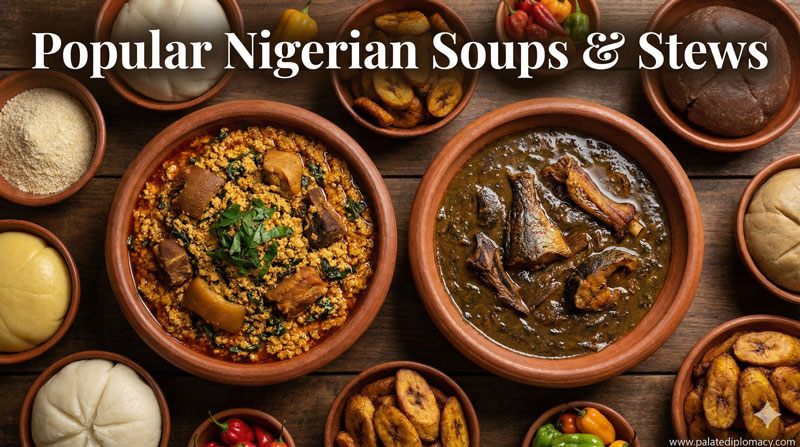
The traditional pairing for Ogbono soup is a swallow—pounded yam, fufu, or garri. These starchy sides are perfect for scooping and savoring the thick, smooth sauce. Some diners enjoy the soup with a side of fresh vegetables or a light salad to balance richness. A squeeze of lime or a dash of extra pepper may finish the bowl for those who love a bit more brightness. The serving ritual is simple: scoop, dip, and enjoy, with conversation flowing as freely as the steam rising from the pot.
Quick Tips for Home Cooks
- Start with a clear stock from your chosen meat or fish; flavor builds the soup.
- Grind ogbono seeds finely for a smoother texture, or slightly coarser for more body.
- Toast onions and peppers lightly before adding them to the pot to brighten their flavors.
- Add greens toward the end so they stay vibrant and offer a fresh contrast.
- Adjust thickness with water or stock; the soup should coat the swallow without being heavy.
- Use palm oil responsibly to balance color and flavor; a little goes a long way.
- Crayfish or stockfish can deepen the savory notes if desired.
A Closing Note on Culture and Cuisine
Ogbono soup is more than a recipe; it is a cultural touchstone. It celebrates the harvest, the skill of the cook, and the joy of sharing. Its beauty lies in how a single pot can bring people together, tell a story of everyday life, and honor tradition while inviting imagination. Whether enjoyed on a quiet evening or shared with friends and family, Ogbono soup stands as a warm invitation into Nigerian cuisine—a testament to flavor, community, and continuity.