
The Story Behind Ogbono Soup, a Nigerian Food Favorite
Ogbono soup stands as a warm invitation to the table. Across Nigeria, families reach for this dish with excitement, knowing it brings comfort and a sense of togetherness. The dish centers on ground ogbono seeds, also known as African bush mango, which give it a distinct, creamy body. Its story is One of everyday joy, shared meals, and the pride of a cooking tradition handed down with care. In every pot, you can taste attention to texture, balance, and the generosity of ingredients that sustain both body and spirit.
What Is Ogbono Soup?
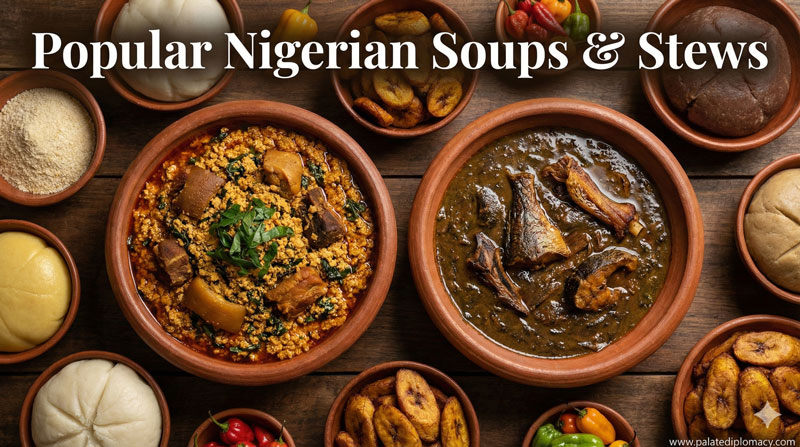
Ogbono soup is a hearty peppery soup built around ground ogbono seeds. The seeds are finely milled and cooked with palm oil, stock, and aromatics such as onions and peppers. Chefs fold in meat, fish, or both, as well as greens like spinach or bitterleaf to round the flavor. Optional ingredients such as okra or dried fish brighten the pot and add character. The result is a velvety, slightly mucilaginous sauce that clings to a swallow or starch, creating a satisfying bite with each mouthful.
Flavor, Texture, and Aroma
First, the aroma signals warmth: the nutty scent of palm oil mingles with pepper and onions. Next, the texture surprises many newcomers in a delightful way. Ogbono creates a gentle, mucilaginous coating that smooths across the palate. The seeds lend a subtle earthiness and a richness that lingers after the last spoonful. The pepper notes bring brightness, while the greens provide a fresh counterpoint. Overall, the dish balances depth, comfort, and a gentle vibrancy that invites another serving.
Culinary Significance in Nigerian Culture
Ogbono soup is more than a meal; it is a celebration of home cooking and hospitality. It travels quickly from stove to table when guests arrive, signaling that warmth and generosity are welcome. Families prepare it for regular dinners, weekend gatherings, and special occasions, turning the kitchen into a space of shared effort. The soup also plays a central role in how families structure meals around “swallows” like fufu, pounded yam, or garri. By pairing with these starchy sides, Ogbono soup becomes a complete, satisfying experience that welcomes all to the table.
Regional Styles and Variations
In Nigeria, regional preferences shape how Ogbono is prepared and enjoyed. Yoruba households may favor a robust pepper profile and a silky sauce, welcoming okra or bitterleaf as a texture contrast. Igbo cooks often emphasize a richer meat or fish stock, allowing the flavors to shine through a thicker base. Across regions, you will find variations in greens, proteins, and the level of thickness. Despite these differences, the dish preserves a shared identity: a beloved, versatile soup that invites personalization without losing its heart.
Preparation Essentials: A Short Guide
- Grind ogbono seeds into a fine powder or paste. This step defines the soup’s body and mouthfeel.
- Heat palm oil and sauté onions and peppers to release their aroma.
- Add stock or water, and then stir in the ground ogbono to create a smooth base.
- Introduce meat, fish, or both, allowing them to simmer so flavors meld.
- Fold in greens near the end to preserve their color and brightness.
- Season to taste with salt, seasoning cubes, and additional pepper if desired.
- Serve with fufu, pounded yam, or cassava-based swallows for a complete meal.
This approach yields a rich, homely soup that can be tuned for larger gatherings or quieter evenings alike.
Serving and Pairings
Ogbono soup shines when paired with a starchy accompaniment. Pounded yam is a classic match, offering a satisfying pull that carries the soup’s sauce beautifully. Other popular options include fufu, garri, and cassava dumplings. For protein, choose goat, beef, or fish, depending on preference or availability. A simple side of sliced peppers or a lemon wedge can brighten the plate and elevate the dining experience. The key is balance: a generous portion of sauce with enough swallow to scoop and enjoy each bite.
The Social Table: Hospitality and Sharing
In many Nigerian homes, sharing a pot of Ogbono soup is an act of hospitality. The same pot feeds multiple generations, brings friends into the fold, and marks moments of reunion. Hospitality shines most brightly when guests are offered generous portions and the opportunity to customize their plate. This practice reinforces community, warmth, and a sense of belonging around the table. Ogbono soup, in this light, becomes a living tradition that participants actively participate in and sustain.
Health and Nutrition Highlights
Ogbono seeds contribute healthy fats and fiber, supporting steady energy release. When prepared with lean proteins and plenty of greens, the dish offers a balanced combination of protein, complex carbohydrates, and micronutrients. The use of fresh peppers and onions adds flavor without relying on excessive salt. By choosing quality ingredients and mindful portions, Ogbono soup can be a nourishing centerpiece for the family table.
Tips for a Rich Ogbono Experience
- Use fresh ogbono seeds or fresh-ground paste for The Best aroma and texture.
- Stir steadily as you add the ogbono to avoid lumps and ensure a smooth sauce.
- Control thickness by adjusting the amount of stock; simmer longer for a silkier finish.
- Experiment with greens and proteins to tailor the dish to your preference.
- Finish with a splash of hot pepper for a bright, lively kick, if desired.
A Dish That Welcomes Everyday Joy
Ogbono soup embodies the beauty of Nigerian home cooking: simple ingredients, patient preparation, and a result that feels like a hug in a bowl. It invites cooks of all levels to participate, to adapt, and to share. Its flavors are familiar enough to comfort, yet dynamic enough to invite exploration. In every pot, you can sense a culture that prizes generosity, togetherness, and the joy of a nourishing meal. Whether enjoyed with family on a quiet evening or shared with friends during a weekend gathering, Ogbono soup remains a celebrated symbol of food’s power to connect, sustain, and delight.