
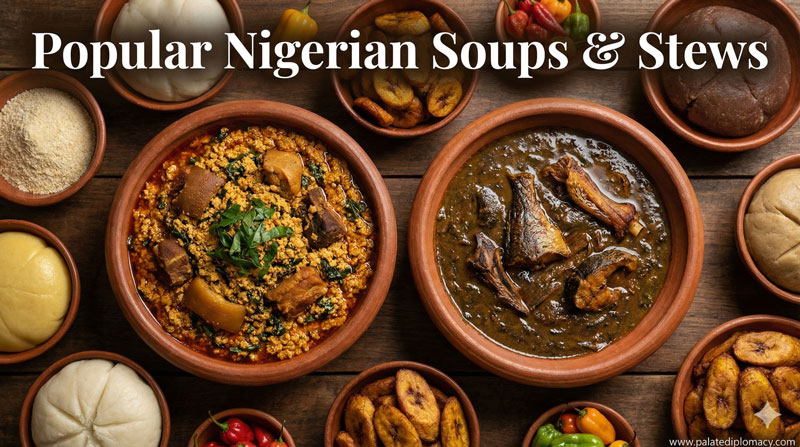
The Story Behind Ogbono Soup, a Nigerian Food Favorite
Ogbono soup is a treasured dish in Nigerian kitchens. It centers on ground ogbono seeds, the nutty core that gives the soup its creamy, slightly mucilaginous texture. Across regions, families welcome this soup with warmth and care. It is shared at tables, prepared for gatherings, and enjoyed as a comforting staple. The dish speaks softly of tradition, skill, and a long love of flavorful, wholesome food. In this post, we celebrate its cultural value and culinary significance with a welcoming, respectful voice.
What Ogbono Seeds Bring to the Pot
Ogbono seeds come from the bush mango tree, a sturdy tree known for its versatile fruit. The seeds are dried, ground, and sifted to become a silky powder. When stirred into hot liquid, the powder blooms into a smooth, velvet-like sauce. The flavor is mild and nutty, allowing other ingredients to shine. Palm oil adds a rich, red-gold color and a distinct aroma. Together, these elements create a sauce that is both comforting and lively. Fresh pepper, crayfish, meat, or fish join the pot to deepen the aroma and texture. The result is a dish that feels inviting in the best possible way.
The Craft: From Seed to Silky Sauce
The preparation blends technique with intuition. First, cooks heat palm oil and onion in a pot. Then they add pepper and seasoning to wake the flavors. Next, they whisk in the ground ogbono. The seeds soften and release their creamy body as the pot warms. Some cooks add stock or water gradually, allowing the mixture to thicken with a gentle swirl. Okra or other vegetables may enter the mix for color and bite, but ogbono keeps its own distinctive presence. The seafood or meat simmer in the pot, soaking up the sauce’s warmth. Finally, the dish rests briefly, letting flavors mingle before serving.
Flavor, Texture, and the Signature Feel
Ogbono soup carries a silkiness that feels luxurious on the palate. The texture is thick but smooth, with a gentle stretch as you scoop. The nutty notes from the seeds mingle with the boldness of pepper and the richness of palm oil. The proteins—whether fish, beef, or goat—soak in the sauce, becoming tender and flavorful. Each bite offers depth, comfort, and a sense of home. The aroma invites a smile and a moment of anticipation before the first taste.
The Table as a Cultural Center
In Nigerian culture, meals are more than food; they are occasions for connection. Ogbono soup often graces family tables during daily meals and special gatherings. It pairs beautifully with fufu, pounded yam, garri, or amala. Sharing bowls and passing a ladle from person to person create a sense of togetherness. The dish is a canvas for generations of labor—crop harvests, careful cooking, and the joy of feeding loved ones. It is common to see elders guiding younger cooks, passing down tips on timing, seasoning, and the right balance of ingredients. In this way, ogbono becomes a thread that binds generations.
Regional Variations and Personal Touches
Variations exist across regions and households. Some cooks emphasize a stronger, pepperier flavor; others favor a milder, comforting taste. The choice of protein shifts the character of the dish, from hearty meat to delicate fish or a mix of both. The optional addition of okra provides extra body and a different mouthfeel, while still letting ogbono lead the film. These nuances reflect local ingredients, family preferences, and personal style. What remains constant is the dish’s ability to anchor a meal with warmth and authenticity.
Modern Kitchens and New Audiences
Today, ogbono soup finds its way into modern kitchens and contemporary menus. Home cooks honor tradition while exploring new pairings and techniques. In restaurants, chefs may present the soup with refined garnishes or alongside creative fufu textures. Yet The Heart stays the same: a comforting, versatile sauce built on the ground seeds, palm oil, and thoughtful seasoning. This adaptability helps the dish travel beyond its hometowns while keeping its cultural value intact. The result is a dish that feels both timeless and fresh.
Tips for Crafting Ogbono at Home
- Start with fresh ogbono seeds ground to a fine powder for a smooth texture.
- Use palm oil for color and depth; heat it gently to Avoid bitterness.
- Add protein gradually to let flavors blend without crowing the pot.
- Balance pepper, salt, and stock to taste as the sauce thickens.
- Allow the dish to rest a moment after cooking so flavors settle.
- Serve with fufu, pounded yam, garri, or other preferred starches for a complete meal.
A Gentle Invitation to Experience
Ogbono soup invites you to slow down and savor. It speaks of careful preparation, shared tables, and the quiet pride of home cooking. If you have the chance to taste it, you’ll sense the care that goes into every batch. The dish stands as a bright thread in the fabric of Nigerian Food Culture, a reminder that comfort and complexity can coexist in a single bowl. Enjoy its warmth, embrace its texture, and celebrate the stories it carries.