
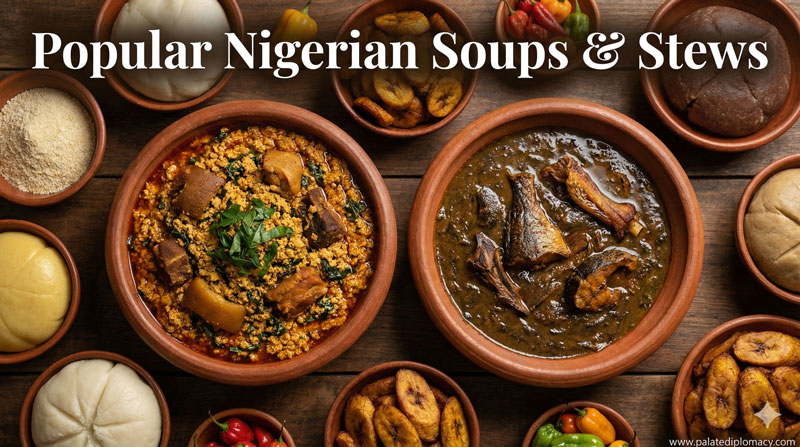
The Story Behind Ogbono Soup, a Nigerian Food Favorite
Ogbono soup stands out in Nigerian cuisine for its silky texture and warm, inviting flavor. It is made from ground ogbono seeds, which thicken the broth into a smooth, slightly mucilaginous body. The soup comes alive with palm oil, peppers, and generous protein, creating a dish that feels Like a welcome in a bowl. It invites conversation, smiles, and shared moments at the table.
A Dish of Culture and Hospitality
This soup is more than sustenance; it is a gesture of hospitality. Families gather around a pot, offering generous portions to guests and loved ones. Sunday meals, family celebrations, and weekend gatherings often feature ogbono as a centerpiece. The act of serving from a single pot communicates care and belonging. The recipe travels with households, changing with taste yet retaining a core sense of comfort and tradition.
Key Ingredients and Their Roles
- Ogbono seeds, ground to a powder that thickens and adds body.
- Palm oil, providing color, aroma, and a rich base.
- Onion and hot peppers for warmth and brightness.
- Protein such as beef, chicken, fish, or stockfish for depth.
- Stock or water to loosen the puree and build flavor.
- Optional greens or seasonings, kept simple to honor the soup’s core character.
These elements come together to create a dish that is both hearty and refined. The seeds give a unique, velvety mouthfeel, while the oil and spices lift the aroma and taste.
Texture and Technique
First, the seeds are ground to a fine powder. Next, onions and peppers are sautéed to awaken their sweetness. Then the ogbono powder is whisked into hot liquid, gradually forming a smooth, glossy broth. Finally, proteins simmer in the pot, and the mixture thickens as it cooks. The key is steady stirring and gentle heat, which preserves the soup’s luxurious texture. The result is a comforting, clinging silk that coats the palate in a soothing way.
Serving and Pairings
Ogbono soup is traditionally served hot with a starchy partner. Pounded yam, fufu, or garri are popular choices. These “swallows” are perfect for dipping and pulling into the soup. A light garnish of chopped greens or a few slices of meat can add color and contrast. In many households, the combination of ogbono, protein, and a starchy side creates a balanced meal that feels complete and satisfying.
Regional Touches in Nigerian Kitchens
Across Nigeria, cooks bring subtle regional twists to ogbono. Some prefer a richer, denser consistency, while others aim for a lighter, brothier version. Crayfish or dried fish may be added for depth, and pepper levels can vary to suit individual heat tolerance. The choice of protein also shifts with taste and tradition, ranging from hearty meats to delicate fish. Regardless of the variant, the dish remains a celebration of texture, aroma, and shared dining.
A Modern Respect for a Timeless Favorite
Today, many households honor tradition while embracing gentle modern tweaks. Some chefs experiment with fresh herbs, while others highlight the original seed flavor more boldly. The core idea stays simple: ogbono soup embodies warmth, community, and the beauty of careful technique. It invites cooks to bring their own memories to the pot and to savor the result with family and friends.
If you are curious about Nigerian cuisine, ogbono soup offers a welcoming entry. Its richness, versatility, and cultural resonance make it a dish that invites conversation, learning, and appreciation. With every bowl, you taste a story of nourishment, hospitality, and the shared joy of cooking together.