
The Story Behind Ogbono Soup, a Nigerian Food Favorite
Ogbono soup holds a special place at many Nigerian tables. It shines in ordinary weeknights and in joyful celebrations alike. This dish invites conversation, comfort, and a shared sense of belonging. In its simple ingredients, families find a bridge between generations. In its preparation, cooks pass down techniques and memories. The result is a robust, comforting soup that speaks to hospitality, skill, and the love of good food.
What is Ogbono Soup?
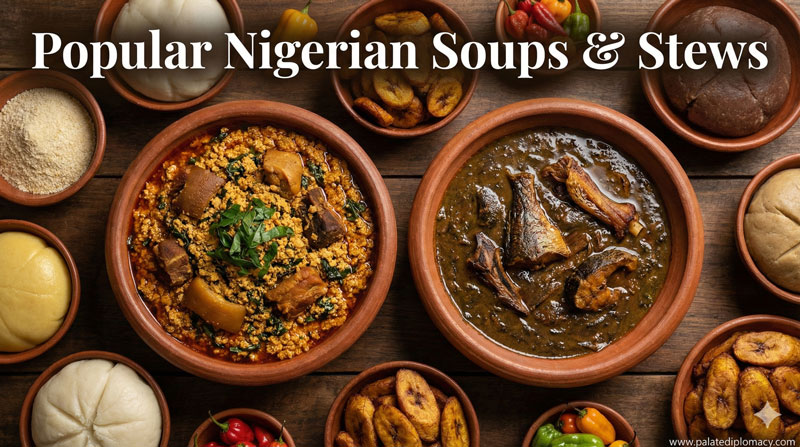
Ogbono soup is a traditional Nigerian staple made from ground ogbono seeds, also known as African bush mango. When ground, the seeds release a distinctive, velvety mucilage that gives the soup its signature texture. The base often includes palm oil and stock, enriched with meat or fish and seasoned with peppers, onions, and a touch of spices. Depending on the cook, you may also find crayfish, scent leaves, or other greens folded in for aroma and depth. The goal is a hearty, flavorful soup that clings to swallow foods like fufu, pounded yam, or garri.
The Core Ingredients and Technique
Key ingredients drive the soul of Ogbono soup:
– Ground ogbono seeds, the thickener and flavor backbone
– Palm oil for color, aroma, and body
– Meat (such as beef, goat, or chicken) or fish for depth
– Stock or water to reach the right consistency
– Aromatics like onions, ground pepper, and sometimes crayfish
– Optional greens or spices, added for freshness
The technique centers on balance and patience. First, heat the palm oil and sauté onions and peppers to release aroma. Then stir in the ground ogbono until the mixture begins to thicken, adding stock gradually. The stirring motion matters: constant, steady movement prevents lumps and helps the mucilage blend smoothly with the liquid. Finally, fold in the meat or fish and simmer until tender. The result should be a glossy, slightly viscous soup that coats the swallow foods without being overly thick. Each cook adds a personal touch, yet the core method remains clear, steady, and attentive.
Regional Flourish and Family Traditions
Across Nigeria, Ogbono soup wears regional flavors and family customs. In some communities, the emphasis leans toward a richer, more peppery finish, while in others, the soup leans on the aromatic bite of crayfish or scent leaves. The choice of protein also marks variation: some households favor beef, others fish, and some combine both. The greens you add can vary with what’s fresh and available, adding a lift to the aroma and color.
Within families, Ogbono becomes a thread that connects generations. Grandparents may share tips on selecting the right ogbono seeds or on achieving the perfect mucilage. Parents might teach the rhythm of stirring and the moment to introduce stock for optimum flavor. Children watch with wide eyes as a pot carries the warmth of home. These small rituals—checking the thickness, tasting for balance, serving hot—form a quiet, daily ceremony that reinforces care and hospitality.
The Role in Hospitality and Community
Ogbono soup is more than nourishment; it is a gesture of welcome. Hosting a pot of Ogbono signals generosity and readiness to share. A kitchen filled with steam and spice invites guests to sit, talk, and enjoy together. Communities often rely on the dish to anchor gatherings, where neighbors drop by and savor a portion with a shared plate. Its social value comes from its ability to unify: it brings people to the table, respects the cook’s craft, and honors the effort of sourcing fresh ingredients.
This soup also stands as a marker of season and seasonality. When fresh fish is abundant or certain greens are in season, cooks adapt, highlighting the value of local produce. The resulting dish becomes a mirror of the community’s abundance and resourcefulness. In this way, Ogbono soup nourishes both body and mood, turning a meal into a moment of connection and gratitude.
Serving Traditions and Pairings
Tradition shapes how Ogbono is enjoyed. It often accompanies swallow foods such as fufu, pounded yam, or garri. The soft, doughy texture of the swallow contrasts with the soup’s velvety mouthfeel, creating a satisfying bite with every mouthful. In some homes, family members gather around a single pot, serving one another with care, which reinforces a sense of togetherness.
A quiet moment of ceremony accompanies serving in many kitchens. The pot is presented with a steady hand and a nod to the cook’s skill. A spoonful is tasted, adjusted if necessary, and then shared. The warmth of the portion, the steam rising, and the spoonful of peppery, savory depth—these small details contribute to the dish’s standing as a centerpiece for fellowship.
Embracing Ogbono at Home: Cooking Tips for Beginners
If you’re new to Ogbono soup, start with a simple, balanced approach:
– Use good ogbono seeds or a reliable ground ogbono powder.
– Choose a protein you enjoy; beef, fish, or a combination works well.
– Don’t rush the mucilage. Stir steadily as the seeds blend with the oil and stock.
– Add stock gradually to control thickness; aim for a coating that clings to swallow foods.
– Finish with a bright note of aromatics like scent leaves or a squeeze of fresh pepper, if you Like a fresh edge.
– Serve hot with fufu, pounded yam, or garri to complete the experience.
As you cook, let the aroma tell you when to adjust the heat and thickness. Ogbono soup rewards patience, balance, and a respectful approach to its texture. The result is a pot that feels like a warm welcome, inviting everyone to share in the meal.
A Cultural Celebration in Every Spoonful
Ogbono soup embodies the artistry of everyday Nigerian cooking. It blends texture, aroma, and taste into a dish that feels alive with memory and care. Each pot carries the hands of the person who prepared it and the expectations of those who will taste it. This is not merely food; it is a cultural expression of hospitality, family, and skill. The dish’s place in the kitchen and at the table reflects a culture that values nourishment shared with friends and loved ones.
In the end, Ogbono soup offers more than flavor. It offers a narrative of warmth, craft, and community. It reminds us that a meal is an invitation—a chance to connect, to celebrate abundance, and to honor the people who make a kitchen come alive. Through its texture and taste, Ogbono soup tells a timeless story of Nigerian culinary heritage: welcoming, generous, and deeply human.