
Introduction
Travelers often describe a single, comforting moment when they first meet okra soup. The aroma rises, the bowl gleams with color, and the first bite feels Like a welcome from a friendly kitchen. This dish speaks to place, memory, and shared tables. Its charm lies not only in flavor but in the quiet rituals that surround it: family gatherings, market stalls, and the easy rhythm of daily cooking. In this post, we celebrate its cultural value and culinary significance with warmth and clarity.
A Dance of Texture and Flavor
Okra brings a smooth, almost silky body to the soup. The mucilage acts like a natural thickener, giving the broth a gentle creaminess without heaviness. Tomatoes, onions, and peppers lift the base with brightness and lift. Palm oil adds a rich, sunny hue and a bold, nutty note. When fish, beef, or smoked ingredients join in, they carry the pot with depth and a subtle sweetness. The result is a balance that travels well from kitchen to table and from one traveler to another.
Regional Voices in the Pot
Across regions, cooks honor different flavors while keeping the core idea intact. In some places, okra soup leans toward a lean, bright finish with light stock and fresh greens. In others, a deeper, heartier version might simmer with robust fish or meat and a touch of smoked spice. Yet in all variations, the dish remains a communal expression: a recipe handed down through generations, adjusted by season and preference, and shared with generosity. Travelers notice how each version carries its own character while still feeling familiar to anyone who loves a pot of soup.
Crafting the Harmony: Techniques and Timing
The magic comes from timing and respect for ingredients. Add okra at a moment that preserves its tenderness, so the soup stays vibrant rather than heavy. Stir with care to keep the texture even, avoiding clumps. Let the stock carry the vegetables, then finish with fresh herbs or citrus zest if the cook prefers. This approach yields a clear, approachable flavor that invites tasting again and again. In short, technique supports character, and character invites exploration.
Serving Traditions and Social Moments
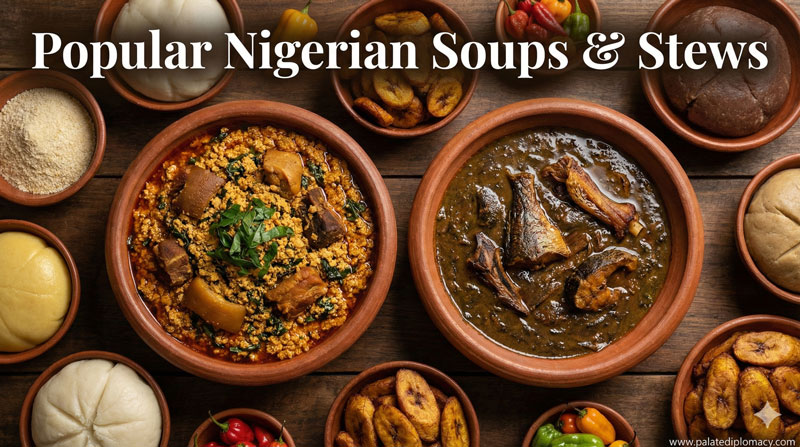
Okra soup often meets its audience around a simple, sturdy table. It pairs beautifully with starches like fufu, pounded yam, or rice. Some kitchens offer a leafy side or a cornbread-like accompaniment to dip and scoop. The act of serving—sharing from one pot, passing bowls, and offering seconds—enriches the experience. These moments build a sense of belonging, and travelers feel welcomed into a local rhythm of meals and conversation.
A Food That Travels Well
Travelers describe the soup as comforting yet exciting, a bite that bridges familiar home cooking and novel flavors. The scent of simmering vegetables, spice, and oil travels with the eater, bringing memories of markets, kitchens, and warm welcomes. In many places, a single bowl opens doors to stories about family, heritage, and daily life. The dish acts as a friendly ambassador, inviting discussion about techniques, ingredients, and seasonal produce.
Ingredient Stories: Okra, Tomatoes, and Aromatics
Okra itself is a star: grown in sunlit fields, harvested tender, and prepared with care. Tomatoes provide acidity and color, while onions offer sweetness and depth. Aromatics such as peppers, garlic, and fresh herbs refine the profile. If a cook adds fish, crayfish, or smoked meats, these elements introduce distant aromas and a sense of local pantry abundance. Together, these ingredients tell a story of land, season, and kitchen wisdom.
The Beauty of Everyday Food
Okra soup embodies hospitality and everyday nourishment. It is not a grand spectacle but a daily expression of care and sharing. Its beauty rests in its balance: simple components, patient simmering, and a result that feels both familiar and inspiring. Travelers leave with a refreshed sense of place, equipped to appreciate small meals that carry big meaning.
Seasonal and Local Spirit
Local produce shapes the soup’s freshness. In warm months, sun-ripened okra and bright tomatoes bring crisp sweetness. In cooler seasons, aromatics and smoked elements can deepen the flavor. This adaptability allows cooks to honor what is nearby, making each pot a mirror of the season and the community. Travelers sense this signal of place in every spoonful.
Final Thoughts: Welcome to the Table
Okra soup invites us to slow down, share, and savor. Its cultural value rests in How It links people through technique, ingredients, and generosity. For travelers, the dish offers a welcoming doorway into everyday cuisine and a tasteful reminder that good food is a universal language. If you want to feel the warmth of a kitchen far from home, start with a bowl of okra soup and listen to the stories it has to tell.