
Everything You Need to Know About Open-Faced Sandwiches
Open-faced sandwiches invite us to see bread as a canvas. The dish known by this name is simple in form, yet rich in cultural expression. In this post, we explore the beauty and culinary significance of open-faced sandwiches, focusing on how they reflect craft, seasonality, and shared meals. The goal is to celebrate flavor, technique, and the everyday artistry of layering textures and colors.
What are open-faced sandwiches?
An open-faced sandwich places a single slice of bread at the center. Toppings rest on the bread Like a carefully arranged mural. There is no second slice to cover them, so every layer Stands Out. This setup makes each ingredient audible—crisp, creamy, bright, or airy. The balance between the bread’s warmth and the toppings’ freshness matters as much as the choice of ingredients. The result is a dish that feels both casual and deliberate, a small feast that respects the bread as a platform for imagination.
A universal idea with diverse expressions
Open-faced sandwiches travel well in the kitchen, and you can spot distinctive takes from many culinary traditions. In one culture, dense rye and packed toppings create a savory, hearty bite. In another, a crisp baguette and delicate toppings yield a lighter, elegant profile. Some versions lean toward seafood and herbs; others celebrate vegetables, cheese, or spreads. The core idea remains: honor the bread, honor the toppings, and let the combination tell a seasonal story. First, you choose the bread. Next, you select toppings that harmonize with it. Finally, you present the plate in a way that invites savoring with the eyes as well as the palate.
The craft behind the bread
Bread is more than a base; it is an active partner in flavor. The texture, crust, and aroma guide your choices. A sturdy rye or sourdough offers a nutty backbone and holds up well to robust toppings. A light crusty loaf provides a canvas for delicate flavors. Toasting is a common step, but timing matters. A quick sear can introduce warmth and a gentle crunch without drying the bread. Some cooks prefer a soft, barely warmed slice that welcomes spread and toppings with a creamy moor. The bread’s character helps shape the dish’s identity, and bakers and home cooks alike contribute to that personality with each bake.
The toppings as language
Toppings are where open-faced sandwiches become conversation pieces. A spread adds moisture and gloss, a layer of protein brings richness, vegetables add crunch and color, and acidity brightens the plate. Fresh herbs, citrus zest, or a drizzle of olive oil can finish the bite. The order matters too. Start with a light spread or a thin layer of creamy cheese. Build with protein or vegetables that maintain good structure. Top with greens or delicate herbs to introduce lift and aroma. The result speaks in multiple flavors and textures, guiding the eater through a short, satisfying story with every mouthful.
Regional favorites: from smørrebrød to tartines
- Danish smørrebrød: This iconic open-faced tradition uses dark rye bread as a sturdy base. Butter is spread generously, then toppings are layered with care. Think roast beef with remoulade, pickled vegetables for tang, and crisp onions for texture. The artistry lies in balancing salt, acidity, and creaminess on a compact slice.
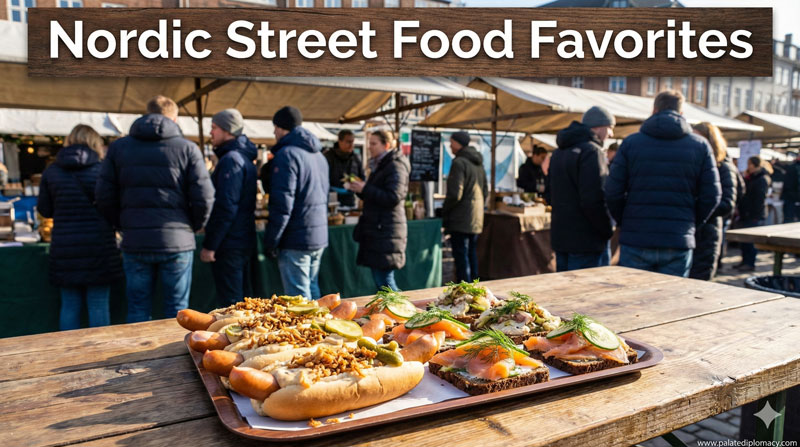
- Norwegian and Swedish variants: In Norway, gravlaks or smoked salmon sits atop bread with mustard-dill sauce and fresh herbs. In Sweden, räkmacka (shrimp on rye or wheat bread) pairs chilled shrimp with mayonnaise, cucumber, and lemon. These versions highlight seasonal seafood, bright dairy, and herbaceous freshness.
- French-inspired tartines: Here, rustic baguette meets a quick-cure of vegetables, soft cheeses, and bright olive oil. A tartine may showcase tomato and burrata with basil, or mushroom, herbs, and a crack of black pepper. The result feels accessible yet refined, a simple luxury for a midday meal.
- Italian and cross-cultural twists: Bruschetta-like toppings on toasted bread deliver a Mediterranean punch. Tomatoes, garlic, olive oil, and fresh basil translate well to open-faced presentation, showcasing sun-warmed flavors in a crisp bite.
- Buterbrod and regional open-faced favorites: In some places, simple butter and pickles on a slice of bread become a beloved, everyday snack. Layering may include cured fish, cheese, vegetables, or eggs. These humble forms reveal a culture’s preference for balance, practicality, and taste.
These regional expressions demonstrate how open-faced sandwiches adapt to local ingredients, technique, and palate. Each version honors its community’s seasonal harvests and culinary memory while inviting new cooks to contribute their own twists.
The social and cultural value of open-faced sandwiches
Open-faced sandwiches are more than quick meals. They reflect a culture’s relationship with bread, seasonality, and communal eating. They encourage mindful preparation, because each layer needs attention to texture and taste. They invite shared meals—brunches, family breakfasts, or afternoon gatherings—where beauty on the plate invites conversation. The act of assembling an open-faced sandwich can become a small ritual, a moment to slow down and appreciate the present.
In cafés and home kitchens alike, the dish supports a relaxed yet thoughtful dining experience. Colorful toppings teach the eye to anticipate flavors, while the open-face format makes portions easy to gauge. This accessibility helps people of different ages and cooking levels participate in the meal. It also offers a flexible platform for dietary preferences, allowing cooks to emphasize plant-based toppings, lean proteins, or indulgent textures, all within a balanced plate.
Seasonal storytelling through toppings
Seasonality guides every great open-faced sandwich. In spring and early summer, bright vegetables, herbs, and delicate cheeses shine. In late summer, tomatoes, peppers, fresh mozzarella, and herbs echo the sunlit days. In fall, roasted vegetables, soft cheeses, and mushrooms find a comfortable home on sturdy bread. Winter favors heartier toppings, like smoked fish, spiced spreads, or roasted roots. The plate becomes a narrative of the year’s cycle, inviting us to savor what the season offers and to celebrate the craft of careful selection.
Pairing and presentation
A plate of open-faced sandwiches rewards thoughtful pairings. Pairing can mean matching flavors across textures, such as creamy vs. crunchy, smoky vs. bright, or salty vs. sweet. A light salad on the side complements the dish without competing for attention. A simple beverage, like sparkling water with a citrus twist or a crisp white wine, can elevate the tasting experience. Presentation matters too. Arranging toppings with color variety and symmetrical spacing makes the plate inviting. A little plate, a clean knife, and a drizzle of olive oil can transform an everyday meal into a small, artful moment.
Practical tips for building your open-faced masterpiece
- Bread selection: Choose a sturdy base for hearty toppings or a lighter loaf for delicate flavors. Whole-grain or rye provides depth; white or sourdough offers a gentler canvas.
- Texture balance: Aim for a contrast of textures. A creamy spread pairs with a crisp vegetable, while a soft cheese complements a lean protein.
- Layering order: Start with a thin spread, add the main topping, then finish with greens or herbs. A final drizzle or squeeze of citrus can brighten the whole plate.
- Color and contrast: Think about color with every topping. A mix of greens, reds, pale yellows, and browns keeps the plate visually engaging.
- Seasonal pairings: Let the season lead. For example, spring herbs with soft cheese, summer tomatoes with olives, fall mushrooms with herbs, or winter smoked fish with pickles.
- Portion control: One generous slice can feel complete. If sharing, offer 2–3 distinct toppings per person to celebrate variety.
A few iconic idea templates to try
- Classic coastal combo: rye bread, cream cheese, smoked salmon, cucumber, dill, and lemon zest.
- Garden open-face: sourdough, avocado, tomato slices, feta, cracked pepper, microgreens.
- Earthy warm bowl vibe: grilled mushrooms, goat cheese, thyme, olive oil, and arugula on a toasted baguette.
- Crunch and brightness: rye bread, labneh or cream cheese, cucumber ribbons, capers, lemon juice, and dill.
- Protein-forward plate: crusty bread, sliced roast beef, horseradish cream, pickled onions, watercress.
The open-faced philosophy: nourishment with grace
Open-faced sandwiches embody a philosophy of nourishment that respects ingredients and time. They celebrate the moment when a cook balances flavor, texture, and color with intention. They encourage us to notice the way bread warmth invites toppings to bloom. They remind us that a well-composed bite can be small in size but large in satisfaction. In that sense, the dish becomes a daily ritual of care and appreciation for the craft of cooking.
Conclusion: a dish of everyday poetry
Open-faced sandwiches carry cultural value and culinary significance by honoring bread as a stage for seasonal ingredients and personal expression. They invite cooks and eaters to slow down just enough to notice textures, aromas, and the simple joy of a thoughtfully arranged plate. Whether you follow a classic regional template or invent a new combination, you participate in a long lineage of shared meals and culinary curiosity. The dish is not merely food; it is a quiet celebration of craft, community, and the beauty of a well-topped slice. Embrace the open face, and let your plate tell a small, delicious story.