
The Story Behind Ofada Rice: A Nigerian Food Favorite
Ofada rice stands out in Nigerian kitchens for its unique aroma, earthy color, and tender bite. This dish carries a sense of welcome and warmth, inviting people to the table. It is more than a meal; it is a celebration of local farming, skilled cooking, and shared moments. In homes and in restaurants, Ofada rice represents a connection to tradition, craft, and hospitality. Its story travels through markets, kitchens, and friendly gatherings, where recipes are passed down with care and pride.
What Is Ofada Rice?
Ofada rice is a locally grown Nigerian Rice variety, often unpolished to keep its natural texture and flavor. It appears brown and slightly glossy, with a nutty, robust aroma as it cooks. Typically paired with a bright, spicy sauce, Ofada rice is recognizable by its accompaniment: Ofada sauce. The sauce blends peppers, onions, locust beans, and palm oil, creating a vivid, fragrant dish. This combination highlights the grain’s natural depth and invites comforting, satisfying bites. The rice and its sauce together express a simple culinary principle: best flavors come from honest, everyday ingredients treated with care.
Cultural Significance and Shared Tables
Ofada rice is a staple that shines in gatherings and family meals. It is often prepared for special occasions, market days, and festive weekends when households come together to cook and share. The dish fosters conversation, laughter, and a sense of belonging. In many homes, the act of rinsing, parboiling, and steaming becomes a familiar rhythm passed from one generation to the next. Serving Ofada rice with its sauce signals warmth, welcome, and respect for guests. The dish also highlights regional pride, as cooks adapt the spice level and textures to local tastes while staying true to the core pairing of rice and sauce.
The Heart of Ofada Sauce: Flavor and Technique
The signature Ofada sauce blends heat, depth, and a hint of earthy sweetness. The key ingredients—peppers, onions, locust beans, and palm oil—work in harmony. Locust beans, known as iru or ogiri in various Nigerian languages, add a savory, slightly nutty note. Palm oil lends a rich red-gold sheen and a bold乳 aroma that anchors the dish. Ground spices and sometimes fish or meat enrich the sauce, enriching the overall palate without overpowering the rice. The technique centers on layering flavors: sauté the aromatics, fold in the spice paste, and finish with a gentle simmer. The result is a glossy, hearty sauce that clings to each grain, elevating the meal with its evocative scent and bright color.
Regional Variations and Modern Interpretations
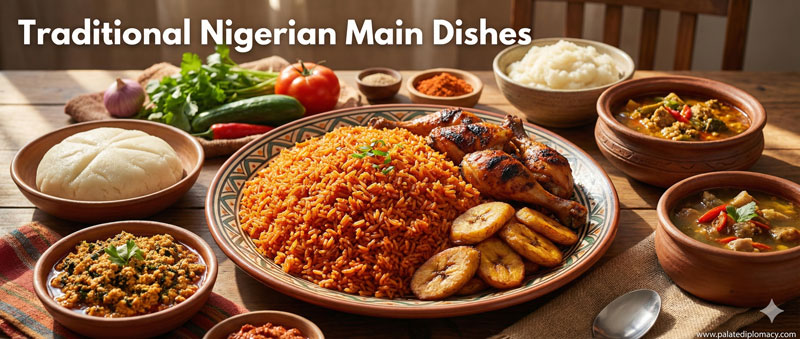
Across Nigeria, cooks bring subtle regional twists to Ofada rice. Some communities adjust the pepper blend to suit local heat preferences, while others emphasize the texture of the rice by varying soaking or washing times. You may find Ofada served with fried plantains, sautéed greens, or a simple stew on the side. Modern interpretations preserve the essence—fragrant rice with a vibrant, peppery sauce—while experimenting with additional ingredients like grilled meat, seafood, or extra vegetables for balance. These variations celebrate culinaria diversity and the dish’s adaptability to different kitchens and seasons, all while honoring its core identity.
Tips for Celebrating Ofada Rice at Home
- Choose authentic Ofada rice where possible. If not available, select a locally grown, unpolished rice to capture the same texture and aroma.
- Rinse gently to remove surface starch, then soak briefly to reduce cooking time and improve tenderness.
- Parboil the rice lightly, then drain and steam to keep grains separate and fluffy.
- Prepare the sauce with a medium flame to preserve the bright color of palm oil and the vivid hues of peppers.
- Balance heat with a touch of sweetness from onions or tomatoes if desired.
- Serve with traditional accompaniments like greens, plantains, or lightly fried proteins to enhance the meal’s texture and color.
In Summary: A Dish That Connects Food and Culture
Ofada rice is more than a dish; it is a link between soil, hands, and heart. It honors farmers who nurture the grain, cooks who shape its aroma, and communities that gather to share a meaningful meal. Its sauce brings brightness and depth, inviting conversation and appreciation for simple, well-made food. By embracing Ofada rice, we celebrate Nigerian culinary craft, the artistry of flavor, and the joy of sitting around a table with good food and good company.