
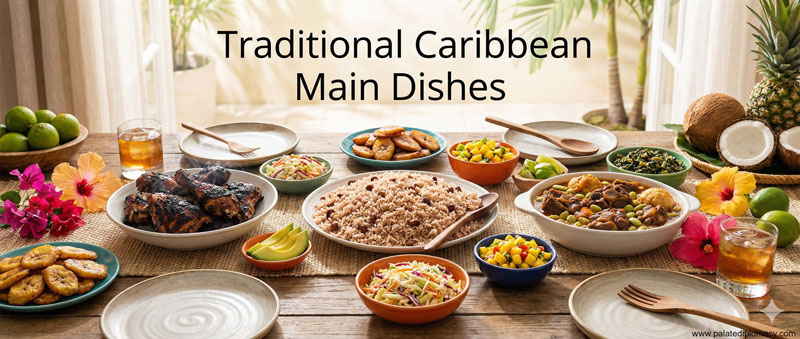
Introduction: A Dish that Reflects the Caribbean Table
Oxtail Stew is more than a meal. It is a portrait of Caribbean warmth, craft, and shared moments. In kitchens and markets alike, the pot becomes a center for conversation, laughter, and care. The scent of browned meat, bold spices, and simmering vegetables invites everyone to gather. This dish shows how flavor, technique, and hospitality come together to tell a regional story without saying a word. Each bite carries a memory of patient simmering, family-friendly routine, and pride in a well-made stew.
The Slow Art of Braising: Texture, Color, and Depth
The heart of oxtail stew lies in slow braising. First, the meat is browned to develop a rich color and a depth of flavor. Then it braises gently in liquid until the bones release gelatin, creating a silky, clingy sauce. This patience is a hallmark of Caribbean stews, where time supports texture. Tender meat, soft vegetables, and a lush glaze emerge from a careful balance of heat and liquid. The result is a dish with body that clings to rice, dumplings, and plantains, making every spoonful satisfying.
Aromatics and Spices: A Vibrant Pantry
Caribbean oxtail stews rely on a bright, aromatic foundation. Onions and garlic lead the way, but thyme and scallions add a fresh, earthy note. Pimento berries (allspice) provide a warm, fruity aroma that lingers in the palate. A touch of Scotch bonnet pepper or a milder pepper adds gentle heat and sunshine to the pot. A dash of tomato or tomato paste can brighten the sauce, while carrots or roots provide sweetness and texture. This ensemble demonstrates how a few ingredients, prepared with care, can create a complex, well-balanced profile.
A One-Pot Celebration: Food as Hospitality
One pot can tell a story of hospitality. Oxtail stew is ideally a communal dish, shared among family and friends. The cooking process invites participation—stirring gently, adjusting salt, watching for the right tenderness. The pot becomes a symbol of welcome, where everyone is invited to take part in the meal’s preparation and enjoyment. In this way, the dish embodies a spirit of generosity, where a rich plate stands as a visible sign of care and friendship.
Regional Variations: Tastes Across the Caribbean
Caribbean oxtail stew varies by island and tradition, yet the core idea remains the same: a flavorful, slow-cooked centerpiece. In Jamaica, a bold, peppery note often leads the way, balanced by herbs and root vegetables. In Barbados and Barbados-inspired homes, Coconut Milk or a touch of sweetness may appear, adding a velvety depth. Trinidad and Guyana showcase bright herbs and sometimes additional root provisions, enhancing texture and color. Across the region, cooks adapt with dumplings, slices of potato, yams, or cassava to match local preferences. These varieties highlight how a single dish can reflect diverse tastes while preserving a shared love for a comforting, hearty meal.
Pairings and Plate Talk: Sides and Serving Style
Oxtail stew shines with thoughtful accompaniments. Rice and peas is a classic pairing, offering a gentle starch that soaks up the sauce. Fried dumplings or festival-style bread add a satisfying bite. Plantains, roasted or fried, bring caramel sweetness to balance the savory depth. A simple side of fresh salad or pickled vegetables can provide a crisp contrast. Serving the stew with warmth and care makes the meal feel welcoming and complete, inviting guests to linger and savor.
Craft, Care, and the Hands Behind the Pot
The craft of oxtail stew belongs to the hands that prepare it. A steady simmer requires attention, during which flavors bloom and textures align. A seasoned cook will adjust seasoning, nudging salt, herbs, and heat to maintain balance. This attention reflects a broader Caribbean tradition of pride in cooking as an act of daily artistry. The dish honors the maker’s skill and the household’s memory, preserving techniques that have been passed down with affection.
Conclusion: A Dish That Bridges Flavor and Culture
Oxtail stew stands as a delicious bridge between taste and culture. It shows how a single dish can carry shared values: patience, generosity, and a love of deeply satisfying flavors. The dish invites us to slow down, to notice the way spices unfold, and to celebrate the table as a place of connection. In every simmering pot, there is a story of community, craft, and care. This is why oxtail stew remains a cherished part of Caribbean food culture—a flavorful reminder of hospitality, tradition, and the joy of gathering around a communal meal.