
Introduction: The Beauty of Oxtail Stew
Oxtail Stew is a dish built on slow, patient cooking and rich, layered flavors. It centers on a humble cut that becomes tender and glossy through braising. The result is a deeply satisfying meal with a glossy, velvety sauce. Culturally, the dish stands as a warm, welcoming centerpiece in many kitchens. It invites friends and family to gather, share stories, and enjoy a comforting bowl together. The beauty of this stew lies in its transformation—from rugged cuts to a refined, soulful sauce.
The Cut and the Craft
Oxtail comes from the tail of cattle. Each piece holds small bones and a generous amount of marrow. This combination rewards patient cooking. Start by browning the meat. The brown bits cling to the pan and later dissolve into the sauce, adding depth. Then cover with stock or water and let it braise slowly. The meat loosens, dissolves its connective tissue, and releases gelatin. The result is a sauce that clings to rice, potatoes, or dumplings. The technique is simple, but the reward is grand. This is cooking as a ritual of transformation.
A Symphony of Flavors: Ingredients and Techniques
A great oxtail stew balances richness with brightness. Common building blocks include onions, garlic, carrots, and celery for a savory base. Tomatoes or tomato paste add a gentle sweetness and depth. Aromatic herbs lift the dish: thyme, bay leaves, and a touch of allspice or cloves can brighten the blend. Peppers offer warmth without overpowering the meat. In many kitchens, a hint of acidity comes from a splash of vinegar or a squeeze of citrus near the end.
The key technique is slow braising. After browning, the oxtail rests in a simmering bath. Gentle heat and steady time coax tenderness from every bone. Scraps of meat melt into the sauce, enriching it with natural gelatin. The result is a glossy, thick sauce that coats the meat and accompanies the starches on the plate. Add-ins vary by region, but the core idea remains: patience, balance, and a well-seasoned pot.
Pairings are simple and satisfying. Rice—especially plain white rice or a rice-and-peas style—lets the sauce shine. Potatoes or polenta provide a comforting counterpoint. A side of leafy greens or a bright, crisp pickle can cut through the richness. The plate becomes a study in texture and flavor, finished with a gentle, savory note.
Caribbean Roots: A Classic in Jamaican and Caribbean Kitchens
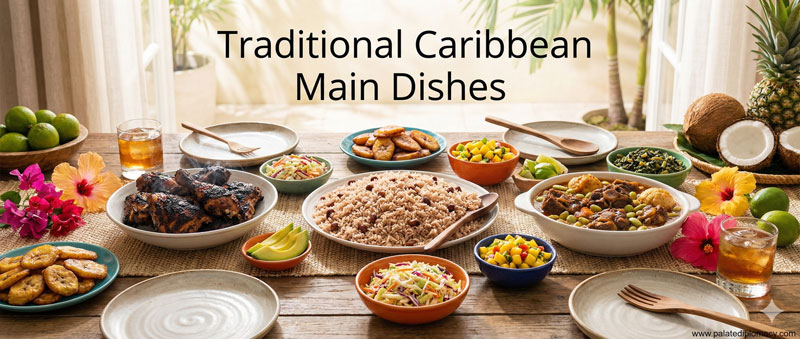
In Caribbean kitchens, oxtail stew carries a sense of home and shared meals. Jamaican versions often feature allspice, thyme, and a touch of heat from peppers. The spice blend blooms as the meat braises, and the marrow adds a silky richness to the sauce. Ink-dark with color and aroma, these stews usually benefit from long simmering, which deepens every flavor note.
Caribbean cooks may blend in kidney beans or butter beans for heartiness. The dish is commonly served with rice and a side of stewed vegetables or plantains. The result is a balance of sweet, spicy, and savory tones, with a comforting, hearty finish. Oxtail stew in this tradition becomes more than a meal; it is a social event that marks gatherings, celebrations, and everyday moments of care.
Global Threads: Oxtail Stew in Various Traditions
Across the world, oxtail stew appears in many formats, each honoring local ingredients and tastes. In some West African-inspired kitchens, peppers, spices like cumin or coriander, and herb layers create a warm, peppery profile. In other regions, cooks favor milder, mellower notes with a touch of wine or beer raised to boost depth. The common thread is time: a long, gentle simmer that draws out every ounce of flavor and tenderness.
What unites these versions is the sense of comfort they offer. The dish travels from pot to table with a feeling of hospitality. Each region adds its own signature twist while preserving the core idea: a nourishing bowl that invites sharing. This shared practice—slow cooking, balanced spices, and careful plating—highlights the universal joy of cooking well for those we love.
The Table: Serving Traditions and Pairings
Oxtail stew shines when plated with simple, satisfying accompaniments. Fluffy rice or a hearty polenta makes a perfect canvas for the sauce. Mashed potatoes or roasted root vegetables also pair beautifully, absorbing the rich glaze. A fresh green salad or lightly pickled vegetables can provide a crisp contrast to the stew’s richness.
Seasonal breads, such as a crusty loaf or a soft dump bread, offer another comforting option. When possible, serve the dish with a bright, acidic note—perhaps a squeeze of lemon or a vinegary relish—to lift the palate between bites. This approach keeps the experience lively from first bite to last sip of sauce.
The Joy of Slow Cooking: Why This Dish Endures
Oxtail stew endures because it celebrates time as a flavor driver. The long braise coaxes tenderness from tough meat and binds it with a glossy, flavorful sauce. The technique rewards careful attention and patience, two gifts that echo through many cherished kitchen traditions. The dish invites cooks to take pride in a slow, deliberate process and to savor the aroma that fills the room as it braises.
The cultural value of oxtail stew rests in its role as a welcoming dish. It is versatile enough for intimate family meals and generous enough for larger gatherings. It invites conversation, sharing, and a sense of belonging around the table. In every bite, there is a note of craftsmanship—an homage to technique, time, and the joy of cooking for others.
If you are new to this dish, start with a modest batch and let the aroma guide you. Focus on searing the meat well, building a layered base, and letting the braise do the work. Taste as you go, adjust with salt and a touch of acidity, and you will discover a dish that is both comforting and celebratory. Oxtail stew offers a beautiful reminder: some of the finest flavors emerge from patience, respect for the ingredients, and a shared table.