
What Oxtail Stew Is
Oxtail Stew is a richly layered dish built on slow, patient cooking. It features tender chunks of beef tail, browned deeply for color and flavor, then simmered with vegetables, herbs, and a comforting sauce. The result is a glossy, thick broth that clings to each bite. This stew appears in kitchens around the world, each culture adding its own heartbeat. In one family, you might taste thyme and allspice; in another, tomato and red wine create a deeper brightness. The common thread is time. Low heat and long simmering unlock a velvety texture and a savory depth that no quick braise can rival. Oxtail stew invites you to slow down, gather around the stove, and share in a dish that feels Like a warm welcome.
Flavor profile, texture, and aroma
From the first sizzle of meat and onions, you sense the dish’s depth. The tail bones release marrow, enriching the sauce with a luscious silkiness. Caramelized onions, garlic, and carrots lay a sweet, savory base, while herbs such as thyme or bay leaves lift the aroma. Spices—pimento, allspice, or a subtle pinch of cloves—spark a gentle warmth without overpowering the meat. Tomatoes or tomato paste add a ruby brightness, balancing the richness. If you choose wine or stock, it enhances the sauce with a round, polished character. The finish is silky, with a lingering savory note that makes you reach for another spoonful. The texture matters too: pieces of meat become fork-tender, and the sauce thickens with natural gelatin from long cooking. The result is a comforting harmony of meat, vegetables, and aromatics.
Regional inspirations and styles
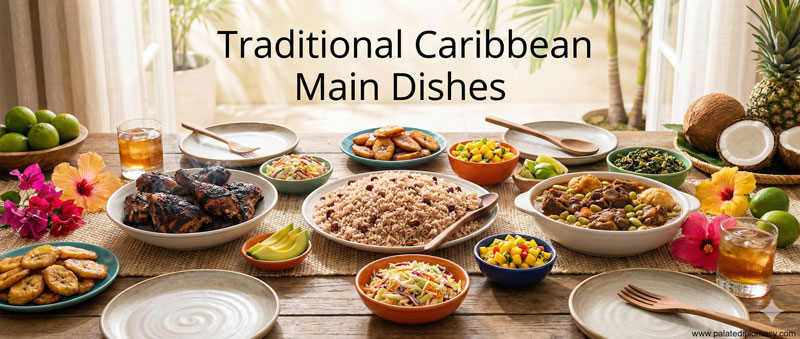
Oxtail stew is embraced in many traditions, and each adds its own signature touch. In Caribbean kitchens, cooks often pair oxtail with peppers and allspice, yielding a bright, fragrant, and slower-simmered dish served with rice, dumplings, or plantains. In Italian cooking, coda alla vaccinara uses oxtail with tomatoes, celery, carrots, and a hint of red wine, creating a robust, rustic sauce. In Latin American homes, you may find oxtail braised with peppers and beans or served over cornmeal or polenta. Across Europe, wine, root vegetables, and herbs bring a refined depth to the sauce. Regardless of the route, the core idea remains the same: a patient braise that lets the meat surrender its structure and release its soul into the sauce.
Key ingredients and technique essentials
- Core elements: oxtail pieces, onions, garlic, carrots, celery, tomatoes (or tomato paste), stock or water.
- Aromatics: thyme, bay leaves, allspice or pepper, and a touch of heat if you like.
- Techniques: brown the meat well for color and flavor, deglaze the pan to lift fond, then add liquid to simmer slowly until the meat is tender.
- Finishing: skim fat as needed, adjust salt, and, if the sauce is too thin, simmer uncovered to reduce.
Substitutions are straightforward. You can swap in beef stock for water, add red wine for depth, or use tomatoes in a can for convenience. For a lighter variation, you can introduce barley or potatoes to stretch the dish. The beauty lies in balancing richness with brightness, so taste as you go and adjust herbs toward your preference.
The cultural value and social significance
Oxtail stew holds a special place in many kitchens as a dish of sharing and care. It often appears on family tables during gatherings, celebrations, and weekend dinners. The act of simmering slowly becomes a ritual: a quiet, attentive process that fills the house with aroma and anticipation. The dish teaches patience and craft, rewarding careful browning, steady heat, and respectful seasoning. It connects generations through memory—stories told while chopping vegetables, advice exchanged while the pot breathes in the kitchen. The result is not just nourishment but a sense of belonging, a culinary ceremony that honors cooks and the people they feed. In this way, oxtail stew becomes more than a meal; it is a thread that ties hands, hearts, and appetites together.
Pairings, serving styles, and presentation
A good oxtail stew pairs with simple, starchy side dishes that soak up the sauce without overpowering it. Options include fluffy white rice, creamy polenta, mashed potatoes, or rustic bread for sopping. Street-side or home-style versions may feature dumplings or boiled yams. For a lighter finish, a citrusy salad or fresh pickles brightens the plate. A dollop of fresh herbs on top can add color and aroma. The plating emphasizes warmth: a deep bowl, a big spoon, and a small side of brightness such as a green herb garnish or a squeeze of fresh lime. The goal is to present a comforting, inviting meal that highlights the sauce’s sheen and the meat’s tenderness.
A quick guide to making oxtail stew at home
- Prepare and brown: Pat dry the oxtail pieces. Brown them in a hot pan until they develop a rich color.
- Build the base: Remove browned meat, sauté onions, garlic, carrots, and celery in the same pan.
- Deglaze and braise: Return meat to the pot, add tomatoes or paste, stock, and herbs. Bring to a simmer.
- Low and slow: Cover and simmer on low heat for 2.5 to 3 hours, until the meat is fork-tender and the sauce thickens.
- Finish and taste: Skim excess fat, adjust salt, and finish with any bright herbs for balance.
- Serve: Spoon over rice, polenta, or mashed potatoes, and enjoy the savory, velvet-rich sauce.
Selecting oxtail and building stock
When choosing oxtail, look for pieces with a good ratio of meat to bone and a healthy amount of marbling. A bit of marrow visible in the bone highlights the richness to come. If you have time, you can brown the oxtail, then simmer the bones in water or stock to Make a simple, flavorful base for the stew. A homemade stock adds depth, while a high-quality store stock can save time. If you plan to freeze leftovers, portion them in airtight containers for easy reheating later.
Final notes on the beauty of oxtail stew
Oxtail stew celebrates technique and warmth. It rewards the cook who takes time to brown, to simmer, and to season with care. The dish invites sharing, conversation, and slow joy in the kitchen. Its cultural value lies in its ability to cross kitchens and bring people together around a single, luminous pot. The result is a dish that feels both comforting and elevated, a true testament to the beauty of careful braising and the universal love of a well-made stew.