
The Story Behind Oxtail Stew, a Caribbean Food Favorite
Oxtail Stew invites you into a kitchen where patience and warmth blend with bright spices. This dish is a cherished favorite across Caribbean kitchens, enjoyed for its generous aroma and comforting texture. The cooking journey begins with careful preparation of the oxtail, then unfolds into a slow, fragrant simmer. Finally, the result is a hearty stew that carries the spirit of home in every bowl. The story is simple: a cut of meat becomes a meal that brings people together, nourishes friends, and sparks conversation around a shared table.
Ingredients That Sing
Core ingredients form a melody of flavors. Oxtail provides a rich, meaty base, while onions and garlic build a savory foundation. Carrots add a touch of sweetness, and fresh thyme lends woodsy brightness. Allspice (pimento) berries give a warm, fragrant note, while scallions contribute a clean, zesty lift. For heat, a hint of scotch bonnet pepper or jalapeño can be added, depending on preference. A bay of salt and black pepper seasons the pot, and a bit of stock or water keeps the stew saucy.
Optional additions harmonize the texture and depth. Butter beans or red kidney beans introduce a creamy bite. A pinch of brown sugar balances acidity and rounds the flavors. A splash of coconut milk or a light tomato base can enrich the sauce, if you Like a slight gloss and extra creaminess. Most importantly, choices stay playful and respectful of the cook’s palate and pantry.
Slow Cooking: The Golden Hour of Flavor
Next comes the slow, steady simmer. Chefs sear the oxtail first to develop color and a nutty aroma. Then they build the sauce with onions, garlic, spices, and stock. The key is patience: let the heat stay gentle and the pot stay undisturbed for a long, slow simmer. This approach breaks down the bone and connective tissue, yielding tender meat that slides from the bone with ease. As time passes, the sauce thickens and becomes deeply glossy, carrying the weight of the spices and the sweetness from the vegetables. Finally, the stew is ready when the meat is fork-tender and the flavors have united into a comforting harmony.
Texture and Aroma: A Sensory Experience
The sensory magic of this dish centers on texture and aroma. The oxtail becomes succulent and almost silky, with a satisfying bite that gives way to tenderness. The sauce clings to each piece of meat, forming a glossy, rich coating that lingers on the tongue. Aromas rise in waves: caramelized onions, roasting garlic, thyme’s herbal lift, and a warm spice chorus from allspice and pepper. Taken together, the scent invites gathering and anticipation, inviting everyone to eat with relish and care.
Sharing and Celebration: Food as a Social Thread
Moreover, Oxtail Stew is a dish built for sharing. Families gather to savor the long-cooked sauce and to pass bowls around a table. Friends exchange stories while the steam curls upward and the dining room fills with warmth. In many homes, the stew anchors a spread that includes bright rice, fluffy dumplings, and greens. The ritual of sharing, of serving generous portions, and of enjoying a meal with others adds another layer of meaning to the dish. It’s not just nourishment; it’s a moment of connection.
Regional Touches: Jamaica, Barbados, Trinidad, and More
Caribbean cooks bring small, meaningful variations to this stew. In Jamaica, a pepper note from scotch bonnet peppers can be prominent, balanced by thyme and pimento. In Barbados, a touch of coconut milk may appear, softening the sauce and adding a subtle sweetness. In Trinidad and Tobago, cooks might lean into a deeper spice profile with blended peppers and a touch of pomegranate or allspice. Across islands, the core technique remains the same: brown the meat, build the sauce, and let it simmer until the meat is tender and the flavors are harmonized. These regional touches celebrate local preferences while keeping the dish unmistakably Caribbean in character.
Serving Traditions: Rice, Dumplings, and Greens
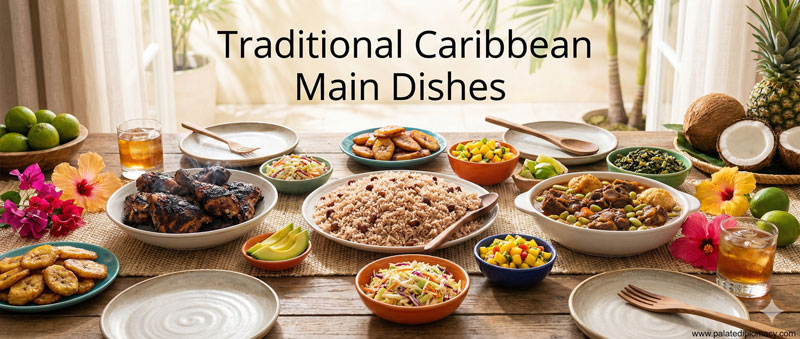
To complete the experience, serve Oxtail Stew with comforting accompaniments. A classic choice is rice and peas, where the starchy pairing soaks up the sauce. Dumplings—soft, comforting doughy rounds—offer a satisfying bite alongside the stew. Sides like fried plantains or sautéed greens provide color and contrast, balancing the richness of the meat. The presentation tends toward generous bowls and shared plates, inviting guests to savor the sauce and the tender meat in each serving.
Home Prep Tips: A Friendly Guide to Start
If you’re new to this dish, begin with a practical plan. First, pat the oxtail dry and season well. Next, brown it in batches to avoid crowding the pan, then set the meat aside. Then sauté onions and garlic in the same pot to build flavor, add spices, and pour in stock or water. Finally, return the oxtail to the pot and simmer slowly until the meat falls away from the bone. Taste and adjust salt, pepper, and heat with care. Optional additions—beans, coconut milk, or a touch of sweetness—can be introduced in the final stages for balance. The result should feel comforting, rich, and inviting.
The Culinary Value: Craft, Craftsmanship, and Culture
In the end, Oxtail Stew stands as a testament to culinary craftsmanship. It rewards time, attentiveness, and a willingness to blend simple ingredients into something greater. The dish celebrates technique—from browning to slow simmering—while honoring the instincts of home cooks who know when a pot should whisper and when it should sing. It also reveals a culture that values hospitality, generous sharing, and a love of layered flavors. Most of all, it offers a warm invitation: to slow down, gather loved ones, and enjoy a meal that feels like a slow, joyful celebration of good food and good company.