
Introduction
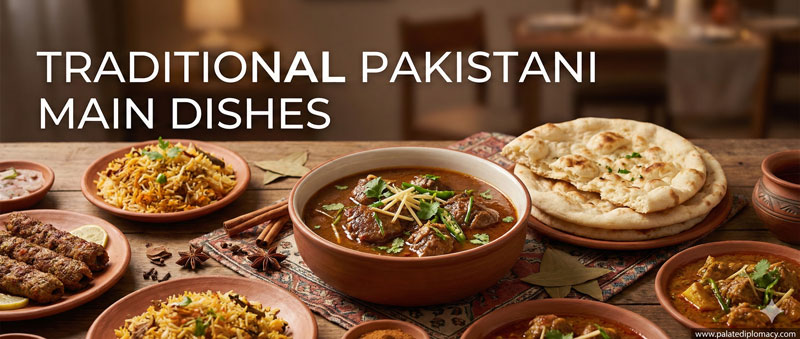
What Makes Chapli Kebab so special in Pakistan goes beyond its bold flavor. This dish embodies warmth, hospitality, and a shared sense of place. It invites people to gather, share a meal, and celebrate everyday moments. The crackly crust, juicy center, and bright herb aroma carry stories of markets, family kitchens, and festive feasts. Read on to discover why Chapli Kebab holds a cherished spot in Pakistani Food Culture.
The Essence of Chapli Kebab
Chapli Kebab stands out for its flat, pan-fried form and lively spice blend. The meat is minced and seasoned with fresh herbs, tangy accents, and a chorus of spices. The patties fry quickly, turning golden and crisp on the outside while staying tender inside. Each bite delivers a burst of savory depth, a touch of tartness, and a hint of heat. The combination creates a sensory moment that feels both rustic and refined. This balance is what makes Chapli Kebab feel at home in kitchens across the country.
The Flavor Mosaic
A typical Chapli Kebab centers on a few core ideas:
– Ground meat (often beef or lamb) enriched with onions and garlic
– A bright herb mix: cilantro leaves, mint, and green chilies
– Aromatic seeds: coriander seeds and cumin seeds, along with chili for warmth
– Fresh acidity: chopped tomatoes and sometimes pomegranate seeds for a pop of tang
– Optional binding: a small amount of egg or breadcrumbs to shape the patty
– A final crackle: a quick fry in oil that yields a crisp exterior
Together, these elements create a flavor mosaic: herb freshness, earthy spice, a touch of tartness, and a satisfying crunch. The freshness of the herbs lifts the dish, while the seeds provide warmth that lingers in the palate.
A Dish of Hospitality
Chapli Kebab is deeply tied to hospitality. It appears in markets as street-side fare, in homes during everyday meals, and at gatherings that mark special moments. The dish invites sharing: a platter of round, fragrant patties passed around, naan or chapati to scoop up the juices, and bowls of cool yogurt or chutney to balance the heat. This social texture—the way Chapli Kebab brings people together around a table—defines its cultural value. It is as much about the act of serving and savoring as it is about the flavors themselves.
Regional Voices: A Tapestry of Styles
Pakistan offers regional twists that enrich Chapli Kebab without straying from its core identity. In the Peshawar area, you may notice a generous herb presence and a lively spice profile, with a crisp crust and juicy interior. In other regions, cooks might adjust the level of heat, the balance of fresh chilies, or the emphasis on cilantro versus mint. Some cooks add tiny, fragrant additions like crushed coriander seed or a touch of garam masala to heighten aroma. Across regions, the method—flattening the patty and shallow frying until the edges crisp—remains a unifying thread. This tapestry reflects local markets, family traditions, and the pleasure of using seasonal ingredients to flavor the dish.
Serving Traditions and Tasting Notes
Chapli Kebab shines when paired with complementary accompaniments. Common pairings include:
– Fresh naan or warm chapati to scoop and wrap
– A cooling yogurt raita or a tangy chutney
– Thinly sliced onions and lemon wedges for brightness
– A simple cucumber salad or pickled vegetables for contrast
The result is a balanced meal where the kebab’s spice notes harmonize with the dairy’s creaminess and the bread’s softness. The experience emphasizes clarity of taste, accessibility, and the joyous act of sharing.
Tips for Home Chefs
Anyone can bring home the charm of Chapli Kebab with these practical tips:
– Use a mix of herbs: fresh cilantro and mint lift the flavor; do not skip the green chilies if you enjoy a lively bite.
– Keep the meat mixture light: avoid overworking it to maintain tenderness.
– Grind spices fresh if possible: coriander seeds and cumin seeds release more aroma when ground just before use.
– Add pomegranate seeds sparingly: they offer a pleasant tart note and a burst of texture.
– Fry in medium-hot oil: too hot, and the crust may burn before the center cooks; too cool, and the patties feel greasy.
– Let the mixture rest briefly: a short rest helps the flavors meld while keeping the texture intact.
– Test one patty first: adjust salt and heat based on that sample.
Cultural Significance and Everyday Beauty
Chapli Kebab embodies a culture of care and shared nourishment. Its preparation is a chance to blend herbs, spices, and stories passed from cook to cook. The dish demonstrates how simple ingredients can become something memorable through technique and heart. It respects tradition while inviting personal touches, a hallmark of Pakistani home cooking. The beauty of Chapli Kebab lies in its balance: crisp edges, juicy center, fresh herbs, and a warmth that feels both celebratory and comforting.
Conclusion
What makes Chapli Kebab so special in Pakistan is not only its bold flavor but its role as a social glue. It appears in markets, kitchens, and gatherings with a sense of welcome and generosity. The dish invites people to slow down, share a bite, and enjoy the artistry of everyday cooking. In every patty, there is a story of community, craft, and the enduring charm of Pakistani culinary culture.