
What is Pakora?
Pakora is a beloved fritter that appears at many tables across the region. It brings together vegetables, cheese, or legumes coated in a seasoned gram flour batter and then fried until the outside turns crisp and golden. The most common versions feature onions, potatoes, spinach, cauliflower, or paneer, but cooks freely improvise with what’s on hand. The batter blends besan (gram flour) with spices like cumin, coriander, turmeric, and a pinch of chili. The result is a bite with a delicate crust and a soft, flavorful center. Pakora is as much about texture as it is about taste, and its simple magic invites sharing.
The craft of crisp: batter and frying
The heart of pakora lies in the batter and the heat of the oil. Besan provides structure and a nutty aroma that elevates the vegetables. Add water gradually to form a smooth, thick yet pourable coating. A brief rest lets the batter hydrate and helps the spices bloom. The oil should glow and stay steady around 170 to 190°C. Fry in small batches to keep the temperature steady and the pieces from sticking together. Turn once for even color, then drain on a rack or paper towels. The goal is a crisp crust that yields to a tender interior with every bite. With practice, the timing becomes intuitive and the result wonderfully consistent.
Regional flavors: varieties you might encounter
Across the Indian subcontinent and neighboring regions, pakora welcomes regional twists while keeping a shared spirit. Here are popular forms you’ll meet:
- Aloo pakora: potato slices or chunks coated in batter and fried to a crisp golden edge.
- Pyaz pakora: onion rings or wedges with a spicy, fragrant coating.
- Paneer pakora: cubes of paneer that stay soft inside a crisp shell.
- Gobhi pakora: florets of cauliflower transformed by the batter’s embrace.
- Palak or mixed-vegetable pakora: greens or a medley of vegetables for a greenish, vibrant bite.
- Mirchi pakora: whole or stuffed green chilies for a spicy kick.
Each variation showcases local ingredients and techniques, yet all share the same joy of a hot, crisp bite that elevates everyday cooking into a small celebration.
Dips and drinks: pairing that enhances the savor
A pakora’s charm is amplified by the right accompaniments. Fresh green chutney made from coriander, mint, and lime offers a bright, herbal fire that cuts through the richness. A tangy tamarind or date chutney adds sweet-sour depth that lingers on the palate. A cool yogurt-based raita can balance heat and provide a soothing contrast. These dips turn a plate of pakoras into a thoughtful pairing experience, inviting conversation and shared tasting.
Cultural moments: tea, street corners, and home kitchens
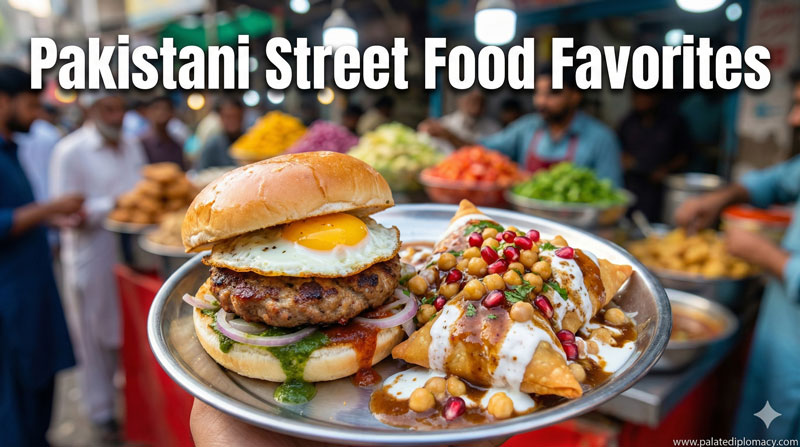
Pakora inhabits many moments in daily life. It appears at busy street stalls where steam rises from smoky grills and the air fills with a savory scent. It sits beside a hot cup of masala chai, inviting a pause between errands or conversations with friends. Families gather to cook and share, turning a simple snack into a small ritual. In homes, pakoras often accompany seasonal meals, festival menus, or weekend gatherings, where the same dish travels with memories from visit to visit. The dish’s popularity rests not only on taste but on its ability to bring people together, creating a sense of warmth and welcome around the table.
Presentation, aroma, and the beauty of simplicity
Pakoras celebrate the beauty of simplicity: a handful of ingredients, careful technique, and a precise moment of heat. The aroma alone signals comfort and care. A plate of hot, crisp pakoras can become the centerpiece of a light meal, an appetizing starter, or a comforting snack after a long day. The visual appeal is inviting too—the golden crust, the soft interior, and the steam that hints at the tenderness inside. This elegance of modest ingredients is a reminder that nourishment and joy often begin with humble beginnings and patient craft.
Home kitchen tips: achieving consistent pakoras
- Use fresh besan and spices for the clearest flavors. Freshness matters in aroma and bite.
- Adjust the batter with a little water at a time; aim for a coating that clings but doesn’t run.
- Keep oil at a steady temperature to avoid soggy or overbrowned results.
- Fry in batches to prevent crowding, which can lower the oil temperature.
- Drain well and serve hot for maximum crunch and flavor.
- Experiment with varieties and dips to find your preferred balance of taste and texture.
The enduring value: why pakora matters in culinary culture
Pakora embodies a spirit of sharing, ingenuity, and seasonal adaptability. It invites cooks to improvise with what’s available, turning everyday ingredients into something comforting and festive. The dish honors patience in technique—the careful batter, the controlled fry, and the moment of rest after cooking. It also highlights the social fabric surrounding food: the ritual of tea, the chat around a serving plate, and the quiet pleasure of dipping into a thoughtfully prepared sauce. In many kitchens and markets, pakora stands as a welcoming bite that signals hospitality, togetherness, and an appreciation for crisp, satisfying textures.
A closing note: embracing the warmth of pakora
Pakora is more than a snack. It is a bridge between seasons, ingredients, and shared moments. Its versatility Makes It accessible to cooks at all levels, while its depth of flavor invites savoring and reflection. Whether enjoyed at a bustling street corner, in a family kitchen, or as a comforting addition to a meal, pakora carries a timeless appeal. It invites you to slow down, observe the sizzle, and celebrate the harmony of spice, crunch, and warmth in every bite. If you haven’t explored its many faces yet, consider inviting pakora into your next gathering as a small, delicious note of cultural delight.