
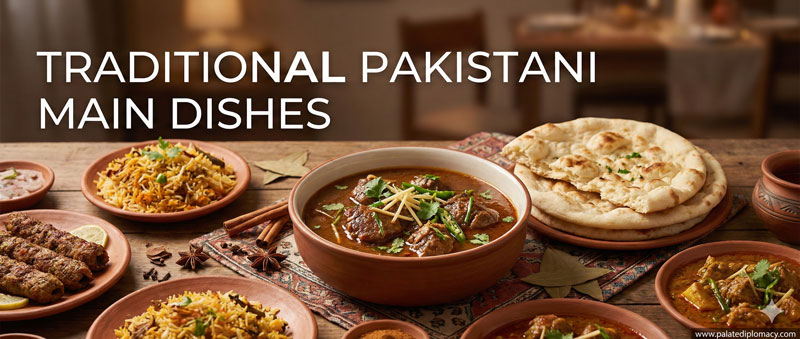
Introduction to a Timeless Favorite
Paya is more than a dish. It is A Window into how kitchens, markets, and families come together around a pot of slow-simmered broth. The name itself evokes warmth, patience, and a sense of home. This post invites you to explore the cultural value and culinary significance of Paya, a beloved bowl that speaks to tradition, craft, and community.
What Paya Is
Paya is a hearty soup built on tender trotters, usually from goat or lamb. The bones release gelatin as they cook, giving the broth a silky, velvety texture. Aromatics such as ginger, garlic, onions, and a blend of spices deepen the flavor. The result is a fragrant, nourishing soup that can stand on its own or pair with fresh bread. The beauty of Paya lies in its balance: a rich, comforting body with bright accents from citrus, herbs, and fresh chilies.
The Craft Behind the Pot
Crafting Paya centers on patience and technique. The trotters are cleaned and blanched to remove impurities, then gently simmered for hours. Slow heat allows the marrow, collagen, and bones to release flavor and texture, creating a broth that coats the tongue. A well-made Paya develops depth through a carefully chosen spice blend, often featuring ginger, garlic, black pepper, cumin, coriander, cinnamon, and cardamom. Some cooks finish with a touch of garam masala or a saffron thread for warmth and aroma. Finishing touches are simple: a squeeze of lemon, chopped onions, cilantro, and fresh chili slices brighten the richness and invite you to dive in.
Regional Voices and Variations
Paya travels well in the culinary map, and you will find delightful variations across regions. In some kitchens, goat trotters take center stage, while others prefer lamb. Spices may lean toward a bold, warming profile, or lean toward lighter, citrusy notes. The serving style adapts to local bread choices—naan, kulcha, or paratha are common companions—or paired with a hearty bowl of rice in some homes. Garnishes reflect local tastes: thin onion slivers, fresh cilantro, a wedge of lime, and a tangy chutney or achar can all appear at the table. Whether the broth leans toward a creamy sheen or a lacquered glaze, the core idea remains the same: a slow, soulful extraction of flavor that builds memory in a single bowl.
Cultural Significance and Everyday Joy
Paya shines as a dish of togetherness. It gathers families for leisurely weekends, late-morning breakfasts, or comforting suppers after a long day. The ritual of tending the pot invites conversation, care, and collaboration—children watch the bubbling surface, parents adjust spices, and grandparents share stories that enrich the taste of every bite. Paya also holds a special place in festive meals and seasonal celebrations, where its presence marks a generous welcome to guests. The act of serving, sharing, and tasting creates a sense of belonging that echoes beyond the kitchen.
Pairings, Presentation, and Sensory Delight
A bowl of Paya invites sensory exploration. The first scent—warm, spiced steam—draws you in, followed by a silky bite and a hint of citrus brightness. Pair it with bread that can be torn and dipped slowly, or with a simple side of fresh vegetables to balance richness. Visual cues matter: a lemon wedge, a handful of chopped onions, and a sprinkle of cilantro add color and lift. The texture is equally important: a good Paya should feel luxurious on the tongue, yet remain approachable and comforting.
Practical Tips for Home C cooks
- Start with a clean base: trim excess fat and blanch trotters to remove impurities.
- Simmer slowly: a gentle simmer for several hours yields the best texture and depth.
- Build the flavor: begin with onions, garlic, and ginger, then add whole spices and ground powders.
- Listen to the broth: if it thickens too quickly, reduce heat and add a splash of hot water.
- Finish with brightness: a squeeze of lemon, fresh herbs, and a touch of salt right before serving.
- Serve thoughtfully: offer warm bread and bright accompaniments to invite dipping and sharing.
A Simple Glossary
- Paya: trotters soup, typically goat or lamb, cooked slowly to develop a rich broth.
- Trotters: the feet of large animals, valued for their collagen and flavor.
- Garam masala: a warm spice blend that enriches many regional versions.
- Naan, kulcha, paratha: breads commonly served with Paya.
- Garnishes: onions, cilantro, lemon, and chilies add crunch, brightness, and zing.
Embracing the Dish: Why Paya Endures
Paya endures because it speaks to the beauty of simple ingredients treated with care. It rewards slow cooking, thoughtful seasoning, and generous sharing. Each bowl is a page in a living culinary story—one that travelers and locals alike can read by watching the pot, smelling the spices, and tasting the harmony of texture and aroma. If you seek a dish that nourishes body and spirit, Paya welcomes you to slow down, savor, and celebrate the richness of traditional cooking.
Conclusion: A Welcome Bowled Over by Flavor and Family
Paya invites you to explore a world where cooking is a ritual of patience and a celebration of community. Its cultural value rests in the way it brings people together, the way flavors unfold with time, and the way a single pot can carry memories across generations. Whether you encounter it at a bustling kitchen, a quiet family table, or a weekend feast, Paya offers a warm, respectful invitation to taste the richness of tradition. Enjoy the journey, and may each spoonful remind you of the beauty of food as a shared, living art.