
Introduction
Paya is more than a dish. It is a warm doorway into everyday life, family gatherings, and a patient craft handed down through generations. In Pakistan, paya speaks of patience, of slow fires and shared bowls. It celebrates simple ingredients raised by season and region. This post explores how paya reflects Pakistani Food Culture and why its culinary heart still beats in homes and markets across the land.
The Essence of Paya
Paya is a slow-simmered stew built on trotters and bones. The base stock grows richer as the pot rests on low heat. Ginger, garlic, and onions wake the fragrance, while pepper, cumin, coriander, and garam masala weave warmth through the broth. The result is a silky, gelatinous depth that coats the palate. Paya invites savoring with flatbread, lime, and crisp herbs. It is a dish of contrast—soft bones, tender meat, bright aromatics, and a lingering savor that lingers long after the last sip.
Slow Cooking: The Heart of Paya
The magic starts with time. First, a gentle simmer draws the bones’ nourishment into the liquid. Then, flavors bloom as spices mingle with the stock. Because heat is steady, the texture becomes tender and cohesive. Finally, the cook adjusts salt and acidity to brighten the depth. The method rewards patience. Each hour builds character, much like stories told around a table. The result is a dish that feels both comforting and refined, a testament to craft and care.
Regional Voices in Paya
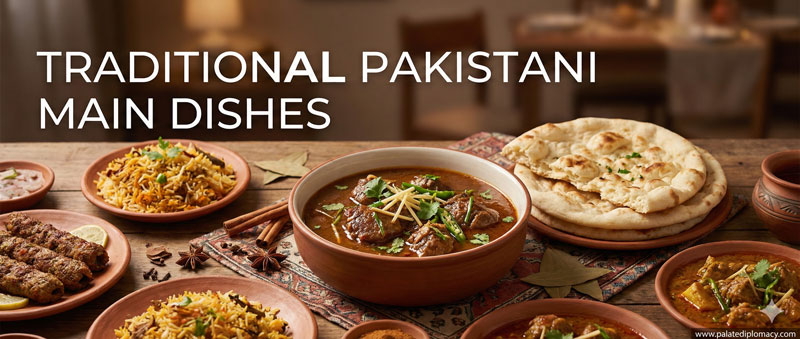
Across Pakistan, paya wears regional accents. In some regions, garlic and ginger lead the aroma, with a bright squeeze of lemon at the end. In others, a kiss of garam masala adds a perfumed warmth. Some kitchens finish with fried garlic chips or fresh cilantro for color. Naan, kulcha, or paratha accompany the bowl, each bread pairing offering a different texture and bite. The spice balance may shift with local tomatoes, peppers, or peppers’ heat. Yet the core idea remains: a slow, soulful dish that brings people together around a shared pot.
Serving and Etiquette
Serving paya is a ritual of warmth. The bowl is hot, the aroma inviting. First, the broth is ladled over tender meat and glossy bones. Then, the bread is torn into pieces for dipping. Finally, herbs, sliced ginger, and a squeeze of citrus brighten the surface. Tableside, families and friends gather, pass bowls, and tell small stories. The meal is brought to life by quiet conversations and the soft clatter of spoons. In this way, serving paya becomes an act of hospitality rooted in daily life.
The Social Heart of Paya
Paya shines in communal moments. It appears on weekend tables, festival breakfasts, and special family meals. Sharing a steaming bowl creates a sense of belonging and continuity. The bone marrow’s richness mirrors abundance, while the light, bright elements keep the dish approachable. People often customize paya with their preferred toppings and breads, making the experience personal and memorable. The dish invites listening, laughter, and a calm sense of togetherness, making the meal linger in memory long after the last bite.
Paya in Modern Kitchens
Today, many cooks honor paya at home with accessible techniques. Slow-cooker and stove-top methods both work well, as long as the heat stays gentle and steady. Modern twists—Like a squeeze of citrus, a dash of fresh herbs, or a crisp fried topping—keep the dish fresh while respecting tradition. Street vendors and home kitchens alike keep the pace of paya steady, teaching new generations the rhythm of patience and the joy of shared flavor. This adaptation shows how a traditional dish can remain relevant while inviting fresh appreciation.
Conclusion
Paya stands as a living thread in Pakistani food culture. It blends patience, regional variation, and communal care into a single, inviting bowl. Its culinary significance lies in How It rewards time and generosity—time spent simmering, and generosity shared around a table. If you seek a dish that embodies warmth, craft, and connection, paya offers a clear, comforting invitation. Welcome it into your kitchen, and you may discover how a single pot can reflect a community’s love for good food and shared moments.